
Digital Payments & FinTech Trends Changing Global Commerce
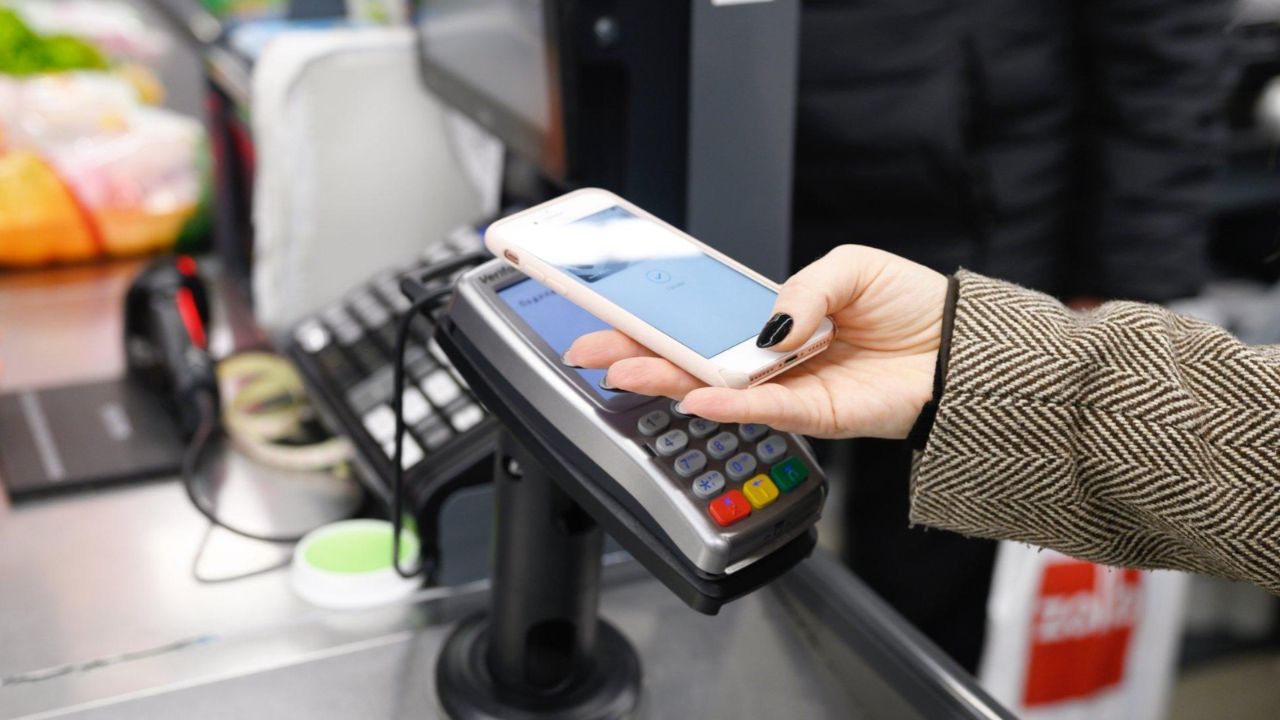
The way the world pays for products and services is changing faster than ever. From tapping a smartphone at a supermarket to transferring money across international borders within seconds, digital payment technology is transforming the global economy.
Traditional cash transactions and conventional banking systems are no longer the only options for consumers and businesses. Digital wallets, contactless payments, artificial intelligence (AI), blockchain technology, and real-time payment networks are creating a more connected financial ecosystem.
In 2026, Digital Payments and FinTech Trends are becoming essential to global commerce. Businesses are adopting smarter payment solutions, consumers expect faster checkout experiences, and financial institutions are investing in technologies that make transactions more convenient and secure.
These developments are not limited to large corporations. Small businesses, online retailers, freelancers, startups, and independent entrepreneurs can also benefit from modern financial technology.
This guide explores 10 major FinTech trends changing global commerce, explains how they work, and highlights what businesses and consumers should expect in the coming years.
1. Digital Wallets Are Transforming Everyday Shopping
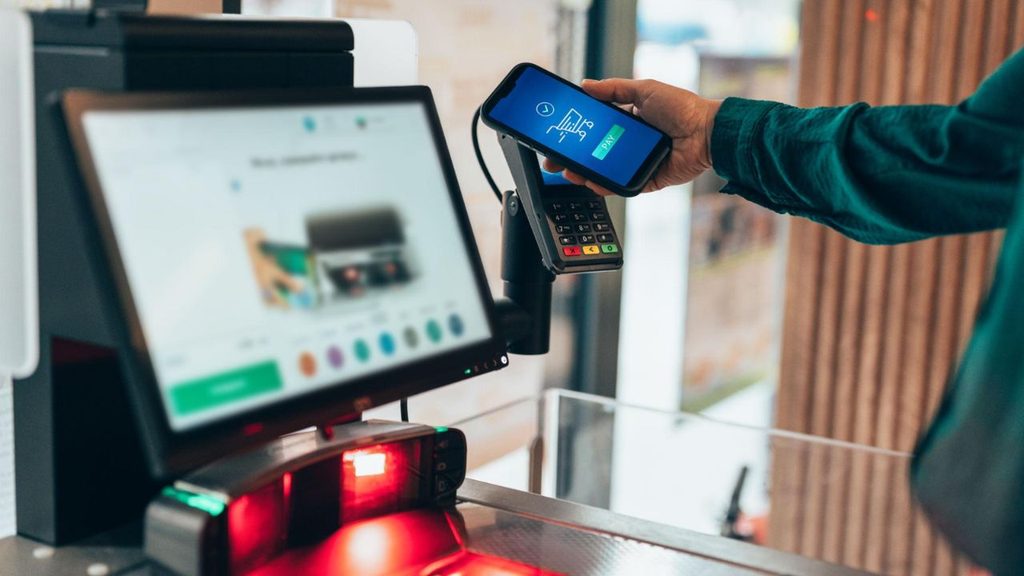
Digital wallets have become one of the most recognizable innovations in modern payment technology. Instead of carrying physical cash or entering card details for every purchase, consumers can store payment credentials securely on smartphones and other connected devices.
Services such as Apple Pay , Google Pay and PayPal allow users to complete transactions through supported devices and merchants.
Digital wallets offer several advantages:
- Faster checkout experiences.
- Convenient online and in-store transactions.
- Tokenization and additional security features.
- Easier management of payment methods.
- Reduced dependence on physical cards and cash.
For eCommerce businesses, digital wallets can reduce friction during checkout. Customers are more likely to complete purchases when they can pay using familiar and convenient methods.
Digital wallets are also becoming important in international commerce, where consumers increasingly expect businesses to support multiple payment options.
Why it matters: Businesses that offer convenient digital payment methods can improve the customer experience and make purchasing easier across different channels.
2. Artificial Intelligence Is Making Financial Services Smarterd
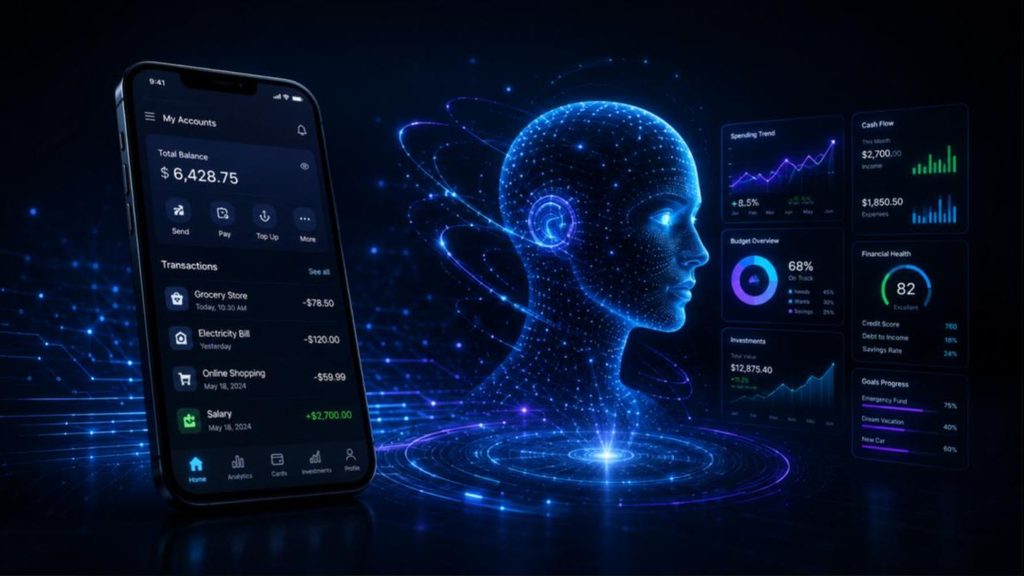
Artificial intelligence is changing how financial institutions manage transactions, evaluate risks, detect fraud, and serve customers.
AI-powered financial systems can analyze large amounts of transaction data and identify patterns that traditional systems may overlook.
Some important applications include:
- Fraud detection: Identifying unusual transaction patterns and potentially suspicious activities.
- Personalized banking: Providing financial recommendations based on customer behavior.
- Credit assessment: Supporting lending decisions through additional data analysis.
- Customer support: Using AI assistants to answer questions and help customers navigate financial services.
- Risk management: Helping institutions identify potential financial risks.
AI can also help online businesses understand customer purchasing behavior and identify payment patterns that may indicate suspicious activity.
However, AI systems need responsible oversight. Incorrect decisions, biased data, privacy risks, and sophisticated AI-enabled fraud remain important challenges.
Why it matters: AI can make financial services more efficient, responsive, and secure when combined with appropriate human supervision and data protection.
3. Real-Time Payments Are Speeding Up Global Commerce
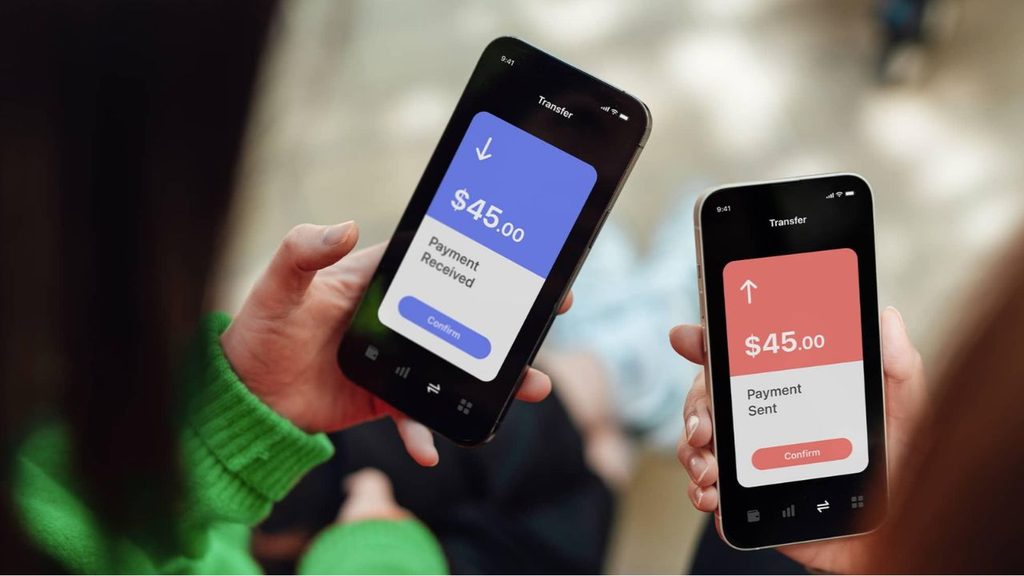
Waiting several business days for a payment to arrive can create problems for individuals and businesses. Real-time payment systems are helping solve this challenge by allowing funds to move between participating financial institutions much faster.
Countries have developed different instant payment infrastructures to support this transformation.
Examples include:
- UPI in India.
- Pix in Brazil.
- FedNow in the United States.
- SEPA Instant in participating European countries.
These payment systems are changing how consumers transfer money and how businesses receive payments.
For retailers, instant payments can improve cash flow and reduce payment delays. Freelancers and service providers can receive money faster, while customers can make purchases without relying entirely on traditional card networks.
However, real-time payment availability, transfer limits, fees, and consumer protection vary between countries and providers.
Why it matters: Faster payments help businesses manage cash flow, improve financial flexibility, and support increasingly connected digital marketplaces.
4. Buy Now, Pay Later Is Changing Consumer Spending
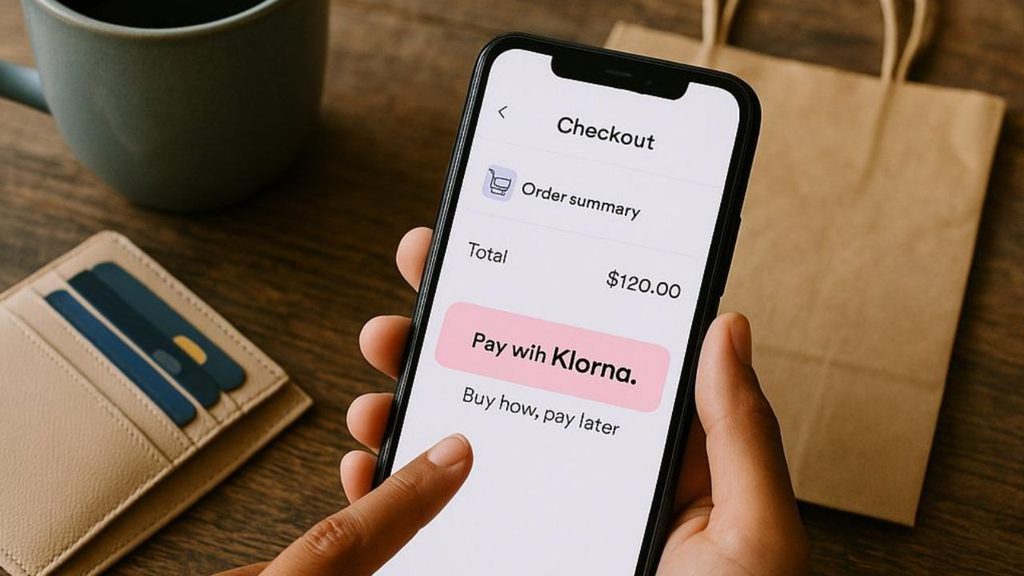
Buy Now, Pay Later (BNPL) is changing how consumers purchase products online and in physical stores. Instead of paying the entire amount immediately, customers can divide purchases into smaller installments over an agreed period.
Popular BNPL providers include Klarna , Afterpay and Affirm.
BNPL is particularly attractive for customers purchasing electronics, clothing, furniture, travel services, and other relatively expensive products.
According to Global Payments’ 2026 research, global BNPL transaction value reached approximately $300 billion in 2025, with a forecast of $500 billion by 2030. https://www.globalpayments.com/+1
Why are businesses adopting BNPL?
- It provides customers with additional payment flexibility.
- It can make higher-value purchases more accessible.
- It introduces installment options directly into online checkout.
- It creates another payment choice alongside cards and digital wallets.
However, BNPL also comes with risks. Consumers may accumulate multiple installment obligations, miss repayment deadlines, or underestimate their total spending.
Businesses should work with regulated providers and clearly communicate fees, repayment schedules, and applicable consumer protections.
Why it matters: Flexible payment solutions are becoming part of the modern shopping experience, but responsible lending and transparent terms remain essential.
5. Cross-Border Digital Payments Are Connecting Global Markets
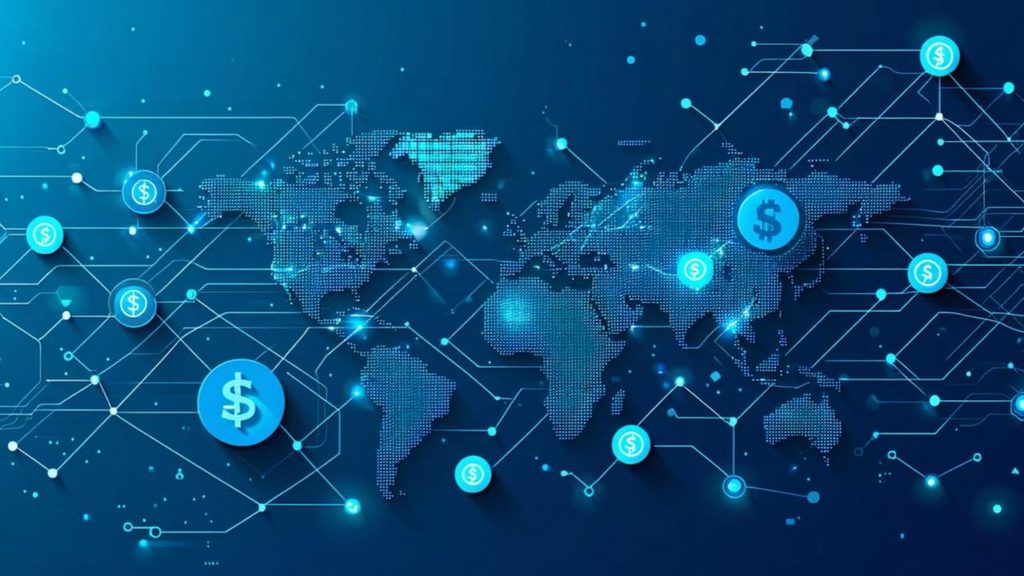
Global commerce depends on the ability to move money between countries. However, traditional international transfers can involve multiple intermediary banks, foreign exchange fees, compliance checks, and processing delays.
Modern FinTech companies are developing solutions that make international transactions faster and more transparent.
Examples include:
- Digital remittance platforms.
- International payment gateways.
- Multi-currency business accounts.
- Real-time cross-border payment partnerships.
- Blockchain-based settlement infrastructure.
Companies such as Wise and Revolut have helped popularize digital-first international financial services in supported markets.
Cross-border payments are particularly important for freelancers, international students, remote workers, exporters, and eCommerce companies.
For example, a freelancer working in Nepal for a client in the United States needs a reliable way to receive international payments, manage currency conversion, and withdraw funds through supported financial channels.
Better payment infrastructure can reduce friction for these transactions, although availability and fees still depend on the countries and providers involved.
Why it matters: More efficient international payments allow small businesses and independent professionals to participate in global commerce without depending entirely on traditional banking processes.
6. Blockchain and Stablecoins Are Creating New Payment Possibilities

Blockchain technology is becoming an important part of discussions about the future of financial infrastructure.
A blockchain is a distributed digital ledger that records transactions across a network. Depending on the design, it can support transparent transaction records, programmable financial operations, and digital asset transfers.
One growing area is stablecoins.
Stablecoins are digital assets designed to maintain a relatively stable value, often by referencing currencies such as the US dollar. They are different from cryptocurrencies whose prices can fluctuate significantly.
Some potential applications include:
- International business settlements.
- Digital asset transfers.
- Financial transactions between organizations.
- Programmable payments.
- Certain cross-border remittance use cases.
For example, a business operating in multiple countries may explore blockchain-based settlement to move funds between financial partners more efficiently.
However, stablecoins are not risk-free. Their reliability depends on reserve arrangements, issuer credibility, redemption mechanisms, regulatory oversight, and the networks used.
It is also important to distinguish between blockchain-based financial infrastructure and unrestricted cryptocurrency speculation.
Why it matters: Blockchain and stablecoins may provide additional ways to move and settle money, particularly in international financial markets, but regulatory compliance and consumer protection remain critical.
7. Biometric Authentication Is Strengthening Payment Security
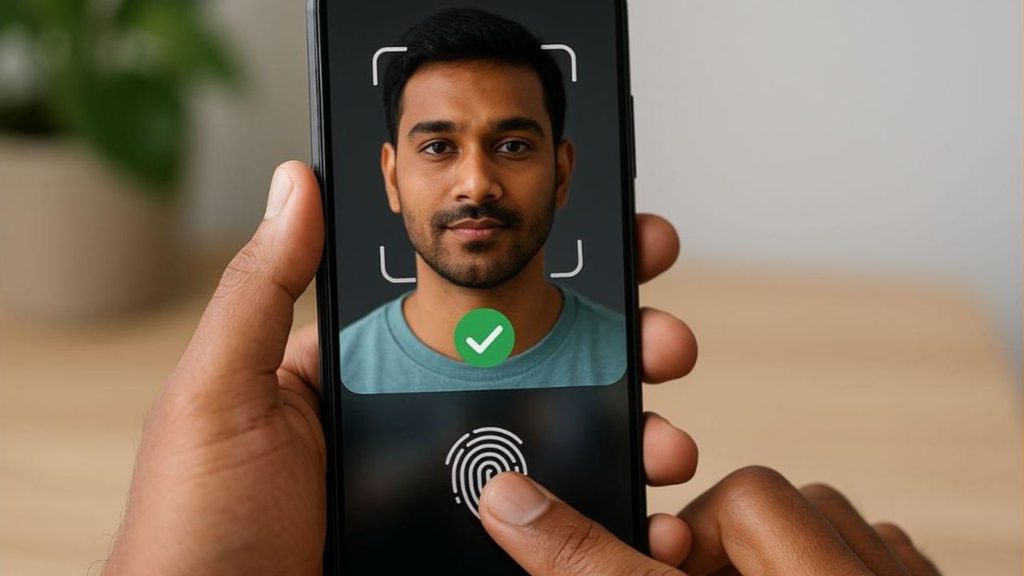
As digital transactions become more common, protecting financial accounts and customer information has become a major priority.
Traditional passwords and PINs are still widely used, but biometric authentication is introducing additional ways to verify customer identities.
Common biometric technologies include:
- Fingerprint recognition.
- Facial recognition.
- Voice authentication.
- Behavioral biometrics.
- Device-based identity verification.
Many smartphones already support fingerprint and facial authentication, allowing users to approve certain transactions without manually entering passwords.
Biometric verification can also help financial institutions identify suspicious account access and reduce reliance on easily compromised credentials.
However, biometric information is highly sensitive. Businesses must consider data privacy, secure storage, consent, and alternative authentication methods for customers who cannot use biometric verification.
Payment security also depends on other technologies, including tokenization, encryption, transaction monitoring, and multi-factor authentication.
Why it matters: Stronger authentication can help build customer confidence and protect digital financial services from unauthorized access.
8. Embedded Finance Is Bringing Banking Into Everyday Platforms
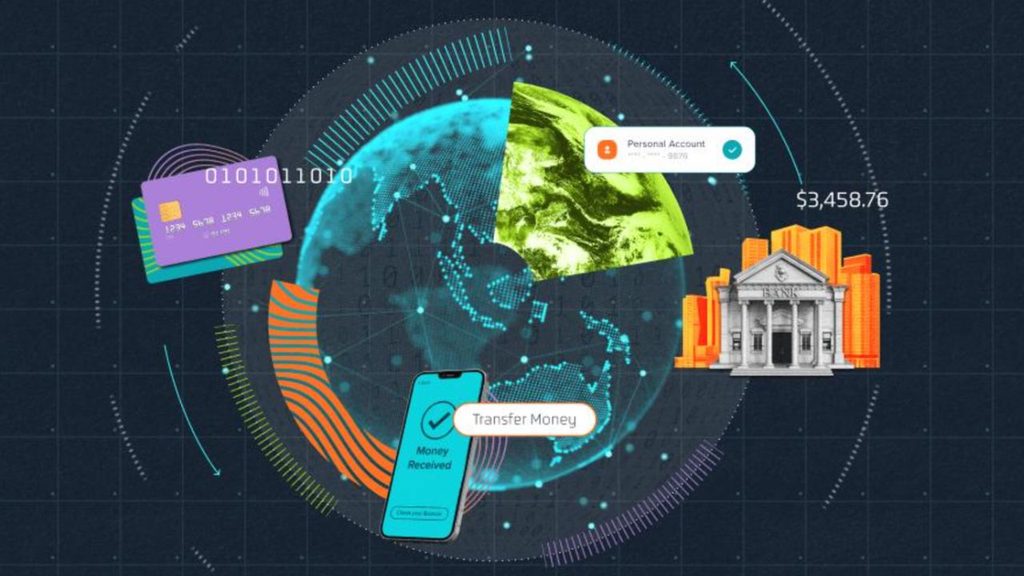
Embedded finance is the integration of financial services directly into non-financial applications, websites, and business platforms.
Instead of visiting a separate bank or financial institution, customers can access certain financial services while using the platforms they already interact with.
For example:
- An eCommerce website offering installment financing.
- A business management platform providing payment processing.
- A ride-hailing application supporting digital wallets.
- A marketplace allowing sellers to receive payouts.
- A software platform offering business financial services through partners.
This approach makes financial services more accessible within the customer journey.
For businesses, embedded finance can create additional revenue opportunities, improve customer retention, and simplify financial operations.
For example, an online marketplace could integrate payments, refunds, seller payouts, and financing into one platform rather than asking users to navigate multiple services.
However, embedded finance often relies on licensed financial partners, payment processors, and compliance providers. Businesses must understand their regulatory responsibilities before launching these services.
Why it matters: Financial services are becoming part of everyday digital experiences rather than remaining separate banking activities.
9. Open Banking Is Encouraging Financial Innovation
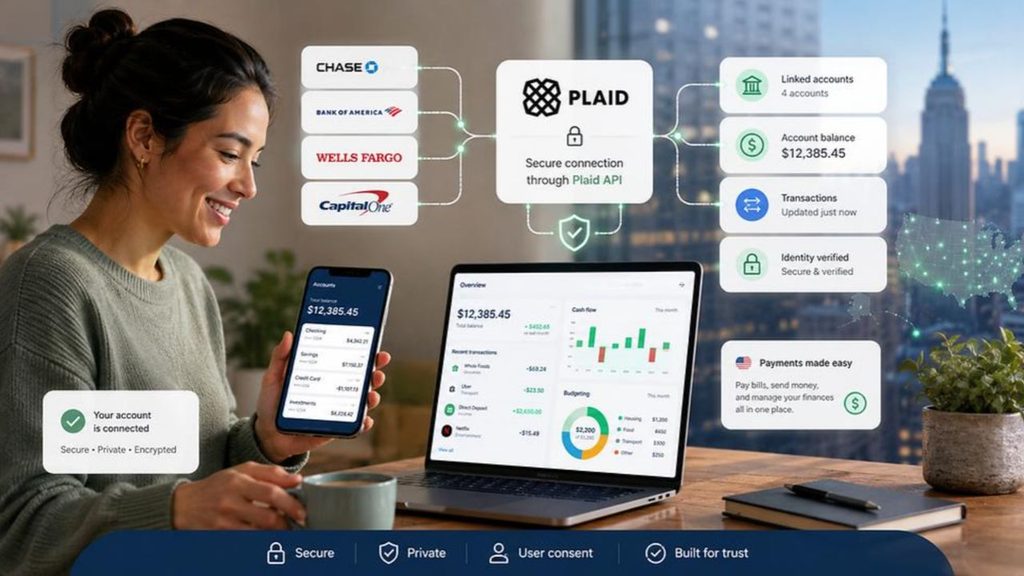
Open banking allows customers, with appropriate authorization and legal safeguards, to share financial information with approved third-party providers through secure interfaces.
Application Programming Interfaces (APIs) make it possible for different financial platforms to communicate and exchange information.
This creates opportunities for new financial products and services.
Some examples include:
- Connecting multiple bank accounts in one application.
- Automated financial management tools.
- Faster account verification.
- Personalized financial insights.
- Account-to-account payments.
- Improved business cash-flow management.
For example, a small business owner could connect eligible bank accounts to an accounting platform and view financial activity in one dashboard.
This can reduce manual work and help businesses make more informed decisions.
Open banking is also closely related to open finance, a broader concept that may include additional financial products and data sources beyond traditional bank accounts.
However, customers must understand what information they are sharing, who can access it, and how permission can be withdrawn.
Why it matters: Secure financial data sharing can encourage competition, create innovative financial products, and make banking services more convenient.
10. AI-Powered Agentic Commerce Could Transform Online Shopping

One of the emerging developments in FinTech is agentic commerce, where AI-powered agents can assist with shopping and, under appropriate authorization, initiate purchasing transactions on behalf of customers.
Imagine asking an AI assistant to find a suitable laptop within a particular budget. Instead of simply displaying product recommendations, a capable shopping agent could compare prices, check availability, review delivery options, and prepare a purchase for approval.
Future systems may also support more automated transaction processes.
Potential applications include:
- AI-assisted product discovery.
- Automated price comparisons.
- Personalized shopping recommendations.
- Payment initiation with customer authorization.
- Automated subscription management.
- Business procurement and supplier payments.
This development could change how online stores attract customers and process transactions.
The Merchant Risk Council’s 2026 research highlights the growing interest in agent-initiated payments: 19% of surveyed merchants reported having plans and solutions in place, while 63% were exploring or implementing them. info.merchantriskcouncil.org
However, agentic payments introduce important questions about customer consent, transaction authorization, identity verification, refunds, and liability when an AI agent makes a mistake.
Why it matters: AI-powered commerce could move online shopping beyond traditional search and checkout experiences, creating a new relationship between consumers, businesses, and payment infrastructure.
How These FinTech Trends Are Affecting Small Businesses

FinTech innovation is not only relevant to banks and multinational corporations. Small businesses can also use modern payment technologies to compete in an increasingly digital marketplace.
Here are some practical opportunities:
| Business type | Potential FinTech benefit |
|---|---|
| eCommerce stores | Digital wallets and faster checkout |
| Freelancers | International payment solutions |
| Retail businesses | QR codes and contactless payments |
| Startups | Embedded finance and payment APIs |
| Exporters | Cross-border settlement solutions |
| Service providers | Automated billing and recurring payments |
For example, an online retailer selling products to customers in the United States may benefit from offering familiar payment options, transparent pricing, automated refunds, and secure checkout.
A freelancer working with international clients may benefit from multi-currency accounts and supported international transfer services.
For businesses in developing markets such as Nepal, digital payment adoption also creates opportunities to improve financial inclusion and support online entrepreneurship.
However, international payment services are not universally available. Businesses should check local regulations, merchant eligibility, supported currencies, withdrawal methods, and transaction fees before selecting a provider.
Major Challenges Facing the Digital Payments Industry
Despite the opportunities, the growth of digital financial services also creates challenges that businesses, consumers, and regulators must address.
1. Cybersecurity and Payment Fraud
As more transactions move online, cybercriminals are developing increasingly sophisticated methods to steal financial information.
Phishing, identity theft, account takeovers, payment fraud, and social engineering remain important threats.
Financial institutions must continuously improve their security systems and educate customers about safe digital payment practices.
2. Data Privacy and Consumer Protection
Digital financial platforms collect sensitive customer information, including transaction histories, account details, and personal identification data.
Companies must protect this information through secure infrastructure, transparent privacy policies, and responsible data management.
3. Financial Inclusion
Not everyone has access to smartphones, reliable internet connections, digital banking accounts, or financial education.
FinTech companies must develop accessible services that support people with different levels of technology access and financial knowledge.
4. Regulatory Compliance
Financial technology companies operate in an increasingly complex regulatory environment.
Depending on their services and operating markets, they may need to comply with:
- Know Your Customer (KYC) requirements.
- Anti-Money Laundering (AML) regulations.
- Consumer protection requirements.
- Data protection laws.
- Payment licensing and reporting obligations.
Innovation must develop alongside appropriate financial supervision.
What Is the Future of Digital Payments and FinTech?
The future of financial technology will likely focus on making payments faster, safer, more intelligent, and increasingly integrated into everyday activities.
Several developments deserve attention:
Invisible payments: Transactions will increasingly happen in the background through connected applications, subscriptions, and automated purchasing systems.
AI-driven financial management: Intelligent systems will help consumers and businesses monitor spending, manage cash flow, and identify financial risks.
Global payment interoperability: More partnerships between domestic payment networks could make international transactions easier.
Digital identity: Improved identity verification may help reduce fraud and simplify access to financial services.
Tokenized financial assets: Financial institutions may increasingly explore blockchain-based representations of deposits, securities, and other assets.
Agentic commerce: AI assistants may become important participants in product discovery, purchasing, and payment authorization.
The broader direction is clear: financial technology is moving beyond simply replacing cash with digital transactions. It is transforming the infrastructure, processes, and experiences that support global commerce.
How Businesses Can Prepare for the FinTech Revolution
Companies that want to remain competitive should start adapting their payment strategies instead of waiting for every new technology to become mainstream.
Here are six practical steps:
- Offer multiple payment methods: Support payment options that your customers already trust and use.
- Prioritize payment security: Implement strong authentication, fraud monitoring, and secure payment gateways.
- Optimize mobile checkout: Make online purchasing convenient across smartphones, tablets, and desktops.
- Explore financial automation: Use suitable tools for invoicing, reconciliation, payment tracking, and reporting.
- Understand international markets: Research local payment preferences before expanding into new countries.
- Monitor emerging technology: Follow developments in AI, blockchain, real-time payments, and embedded finance.
Businesses do not need to adopt every new financial technology immediately. They should prioritize solutions that address actual customer needs and provide measurable operational benefits.
Frequently Asked Questions (FAQs)
1. What are digital payments?
Digital payments are electronic transactions used to transfer money between individuals, businesses, and financial institutions without exchanging physical cash. Examples include mobile wallets, bank transfers, QR payments, contactless cards, and online payment gateways.
2. What are the biggest FinTech trends in 2026?
Some of the major FinTech trends in 2026 include AI-powered banking, digital wallets, real-time payments, Buy Now Pay Later, blockchain-based settlements, biometric authentication, embedded finance, open banking, and agentic commerce.
3. How are digital payments changing global commerce?
Digital payments make it easier for customers and businesses to complete transactions across online and physical marketplaces. They can improve checkout convenience, accelerate payment processing, support international business activities, and create opportunities for financial innovation.
4. Are digital wallets safe to use?
Digital wallets can provide strong security through tokenization, encryption, device authentication, and transaction verification. However, users should protect their devices, enable security features, and avoid suspicious payment links.
5. What is the difference between FinTech and digital banking?
FinTech refers to the broader use of technology to improve or deliver financial services. Digital banking is one part of FinTech that allows customers to access banking services electronically through websites, mobile applications, and other digital platforms.
6. What is embedded finance?
Embedded finance means integrating financial services, such as payments, lending, insurance, and banking features, directly into non-financial platforms such as eCommerce websites and business applications.
7. How can small businesses benefit from FinTech?
Small businesses can benefit from faster payment collection, digital invoicing, online checkout solutions, automated accounting, improved cash-flow management, and access to international customers through supported financial services.
8. Will AI replace traditional banking?
AI is likely to automate and improve many banking operations, including customer support, fraud detection, risk assessment, and financial management. However, traditional banking institutions will continue to play important roles in financial regulation, deposits, lending, and payment infrastructure.
9. What is the difference between blockchain and traditional payment systems?
Traditional payment systems generally rely on banks, payment processors, and centralized networks to authorize and settle transactions. Blockchain uses distributed ledger technology to record transactions across a network. Both approaches have different advantages, limitations, costs, and regulatory requirements.
10. What is the future of international digital payments?
International payments are expected to become more interconnected through instant payment networks, improved currency conversion, digital financial infrastructure, and new settlement technologies. However, regulatory differences and interoperability challenges will continue to influence adoption.
Final Thoughts
Digital payments and financial technology are changing the way the global economy operates. From mobile wallets and instant bank transfers to artificial intelligence and blockchain-based financial infrastructure, innovation is creating new opportunities for consumers, entrepreneurs, and established businesses.
The biggest change is not simply that people are using less cash. It is that financial services are becoming more connected to the digital platforms people already use every day.
For businesses, adapting to these changes means providing convenient payment experiences, investing in security, understanding customer preferences, and exploring technologies that improve operational efficiency.
For consumers, understanding digital financial services can help make everyday transactions more convenient while encouraging better financial awareness and security.
The future of global commerce will belong to businesses that understand how technology, financial innovation, and customer expectations work together.
What do you feel about this post?

Like

Love

Happy

Haha

Sad