
Immersive Cultural and Ancestry Travel: 10 Powerful Ways to Rediscover Your Roots in 2026
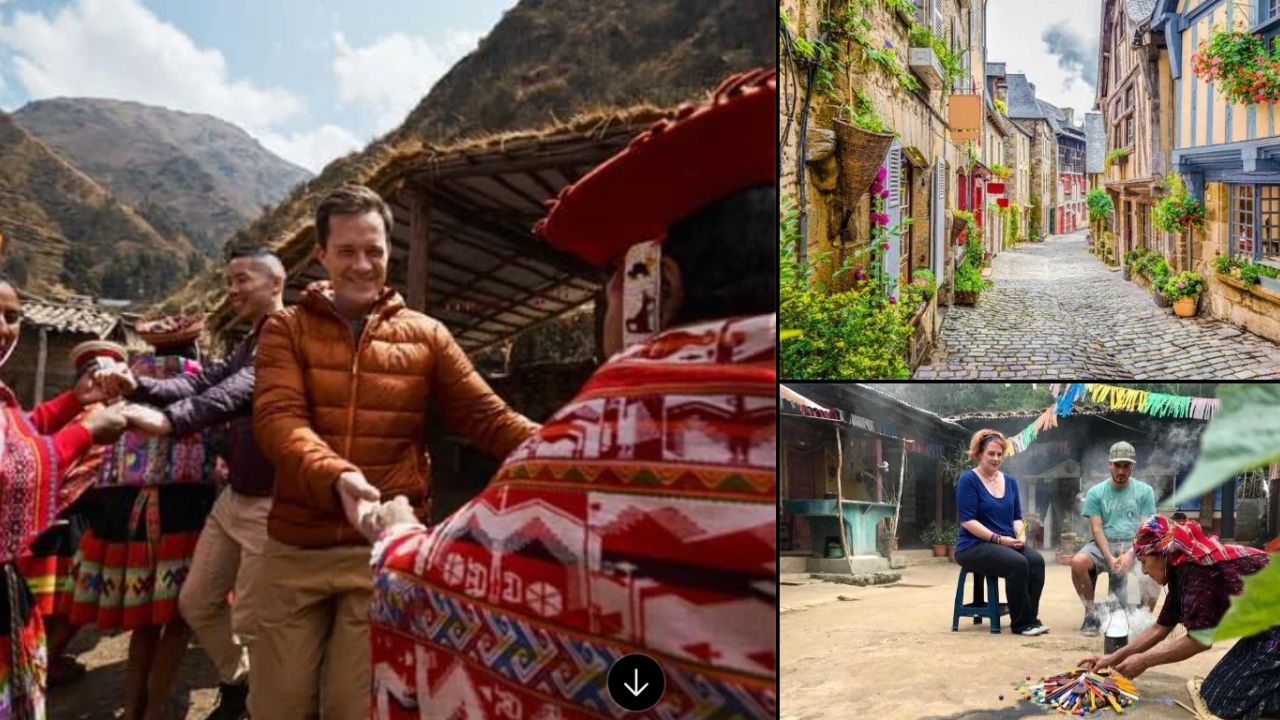
Travel is no longer just about visiting famous landmarks, taking photographs, or staying in luxury hotels. Modern travelers increasingly want something deeper: meaningful experiences that connect them with local communities, cultural traditions, family histories, and ancestral identities.
This growing interest has brought immersive cultural and ancestry travel into the spotlight as an important travel trend in 2026.
Imagine walking through the village where your grandparents grew up, learning traditional cooking from local families, participating in centuries-old cultural celebrations, or discovering historical records connected to your family name. These experiences transform an ordinary vacation into a personal journey of discovery.
For travelers interested in understanding their heritage, cultural tourism offers opportunities to explore the stories, traditions, languages, and lifestyles that shaped previous generations.
Whether you are researching your family history, reconnecting with your cultural background, or simply interested in experiencing authentic local traditions, this travel approach can make your next journey more meaningful.
In this guide, we explore 10 powerful ways to experience cultural heritage, reconnect with your roots, and make your travels more memorable in 2026.
What Is Immersive Cultural and Ancestry Travel?
Immersive cultural and ancestry travel is a form of tourism focused on exploring cultural heritage, family origins, historical connections, and traditional lifestyles through firsthand experiences.
Unlike conventional tourism, which often focuses on sightseeing and entertainment, this approach encourages visitors to participate in the culture they are exploring.
For example, a traveler with Irish ancestry might visit Ireland to explore ancestral villages, historical churches, family burial grounds, and local archives. Someone with Japanese heritage might travel to Japan to learn traditional crafts, explore family traditions, and understand regional customs.
These experiences help travelers develop a stronger understanding of their personal and cultural connections.
Immersive cultural travel generally focuses on:
- Learning local customs and traditions.
- Participating in traditional festivals and ceremonies.
- Exploring historical neighborhoods and heritage locations.
- Learning traditional cooking, crafts, and artistic practices.
- Connecting with local communities.
Ancestry travel focuses more specifically on:
- Discovering ancestral hometowns.
- Researching family genealogy.
- Visiting historical family locations.
- Exploring migration and family history.
- Reconnecting with distant relatives and cultural backgrounds.
Together, they create a travel experience that combines education, emotional discovery, and cultural appreciation.
10 Powerful Ways to Experience Immersive Cultural and Ancestry Travel in 2026
1. Visit Your Ancestral Hometown

One of the most meaningful ways to explore your heritage is by visiting the hometown or region where your ancestors lived.
Walking through familiar family landscapes, exploring old neighborhoods, and discovering historical buildings can create a powerful connection with your past.
Before traveling, research your family records, birthplaces, immigration documents, and historical addresses. These details can help you identify locations connected to your family history.
For example, Americans with Italian, Irish, German, or Eastern European ancestry may explore ancestral regions to understand the communities and lifestyles from which their families originated.
Travel tip: Speak with local historians, village residents, and genealogy researchers who may help you understand the history of your ancestral community.
2. Experience Traditional Festivals and Cultural Celebrations

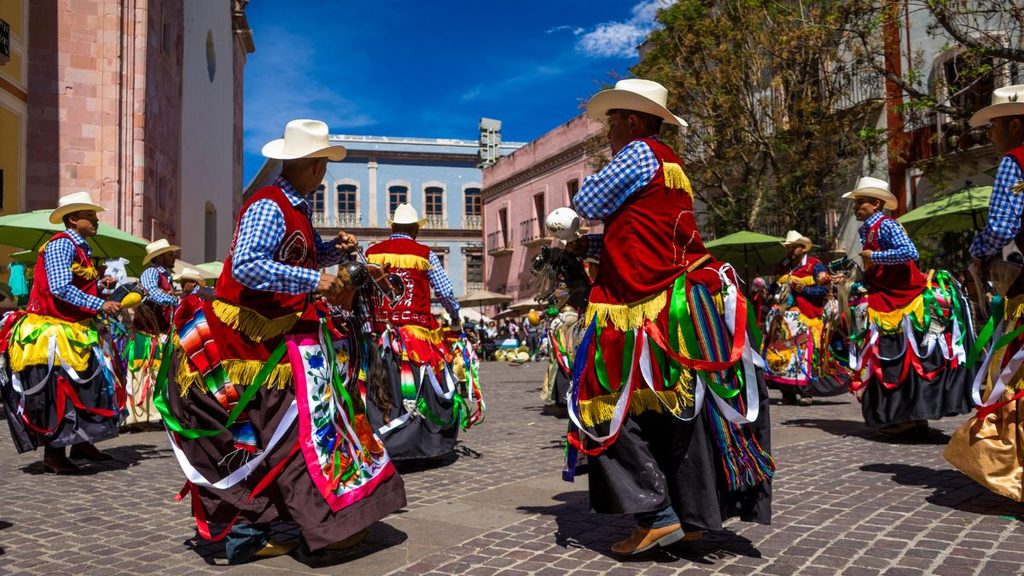
Festivals provide an opportunity to experience the living traditions of a destination.
From traditional dances and religious celebrations to seasonal harvest festivals, these events reveal how communities preserve their cultural identities.
Some interesting cultural celebrations include:
- Holi in India and Nepal.
- Hanami cherry blossom celebrations in Japan.
- Oktoberfest traditions in Germany.
- Día de los Muertos in Mexico.
- St. Patrick’s Day celebrations in Ireland.
Participating respectfully in local festivals allows travelers to understand cultural values, traditional clothing, music, food, and community relationships.
Instead of simply watching celebrations, consider joining organized cultural workshops or community activities when visitors are welcome.
3. Learn Traditional Cooking From Local Families
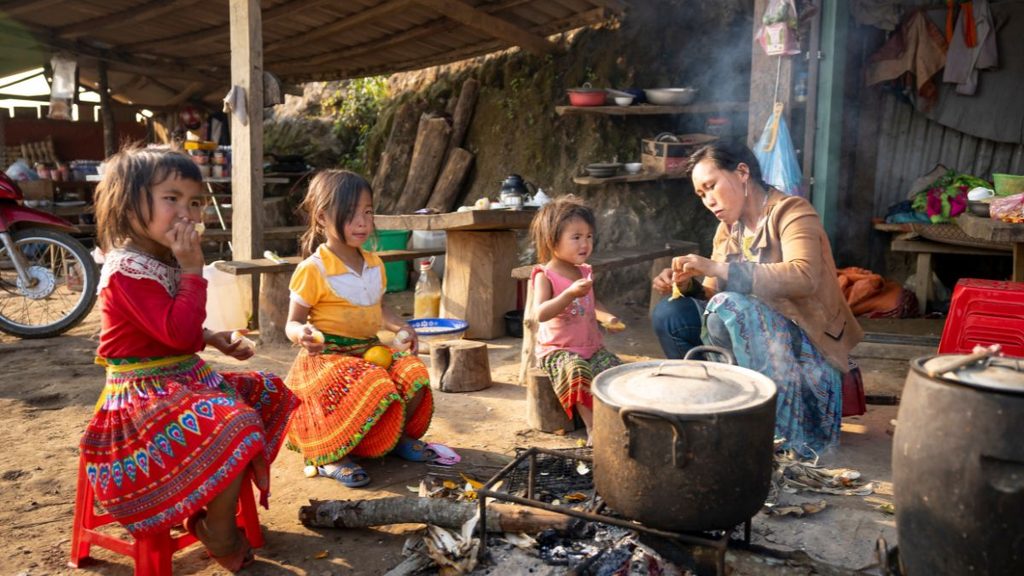
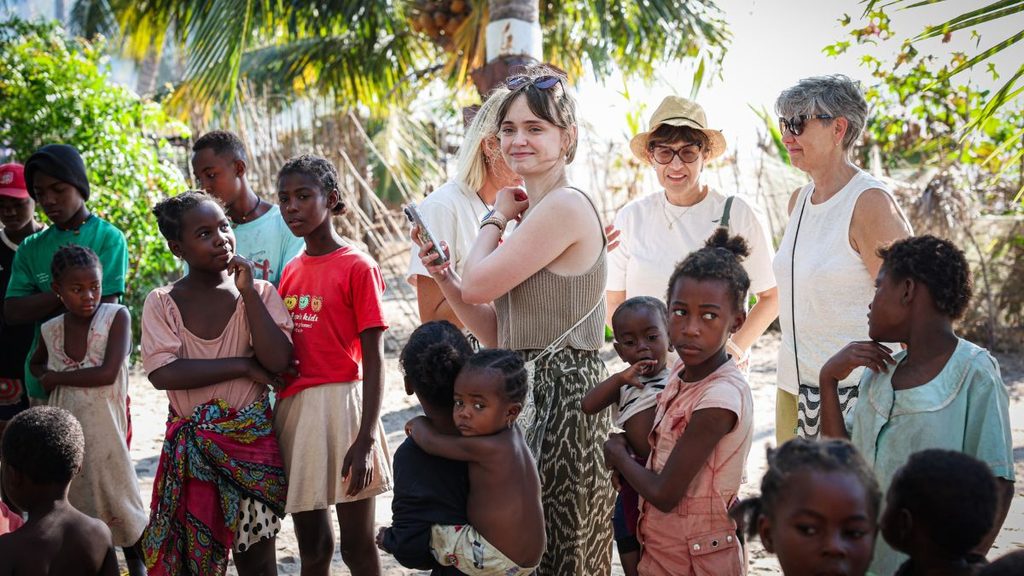
Food carries stories about geography, migration, family traditions, and cultural identity.
Traditional cooking experiences offer an opportunity to understand how recipes are passed from one generation to another.
Imagine preparing handmade pasta with an Italian family, learning traditional Japanese techniques, making Mexican tortillas, or discovering authentic Nepali dal bhat preparation in a local household.
These activities offer more than culinary entertainment. They help travelers understand the cultural significance behind ingredients, cooking techniques, and traditional meals.
Why it matters: Food experiences can create meaningful connections between visitors and local communities while preserving traditional culinary knowledge.
4. Explore Family History Through Genealogy Tourism
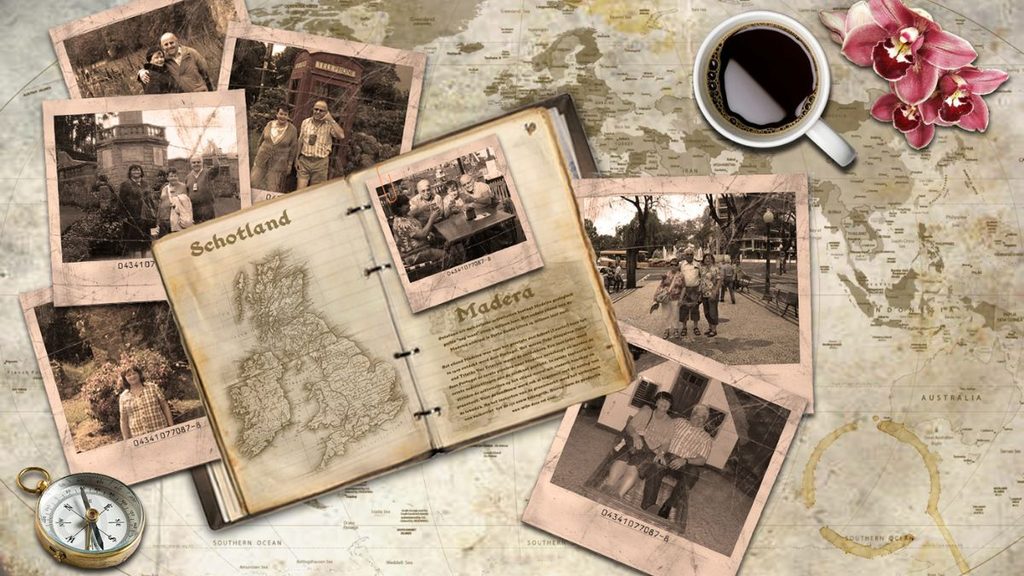

Genealogy tourism combines historical research with travel.
Travelers interested in their family backgrounds can visit archives, libraries, churches, museums, cemeteries, and historical institutions to uncover information about previous generations.
Digital genealogy platforms have also made it easier to research family connections before planning a trip.
Useful research resources include:
- Ancestry – Family trees, historical records, and genealogy research.
- FamilySearch – Historical records and family history resources.
- MyHeritage – Family history research and DNA-related genealogy services.
Travelers can use these resources to identify possible ancestral locations before visiting them.
However, historical records should be verified carefully because family names, spellings, borders, and geographical boundaries may have changed over time.
5. Stay With Local Families for Authentic Experiences


Accommodation can significantly influence how travelers experience a destination.
Instead of choosing only international hotel chains, consider locally operated homestays, heritage houses, and traditional guesthouses.
Living with a local family provides opportunities to experience everyday routines, regional food, local languages, and community traditions.
You might learn how families celebrate important occasions, prepare seasonal dishes, or maintain traditional household practices.
Countries such as Nepal, India, Japan, Morocco, and Vietnam offer different forms of community-based hospitality.
Homestays also allow tourism spending to support local households and small businesses directly.
6. Discover Traditional Arts, Crafts, and Cultural Skills
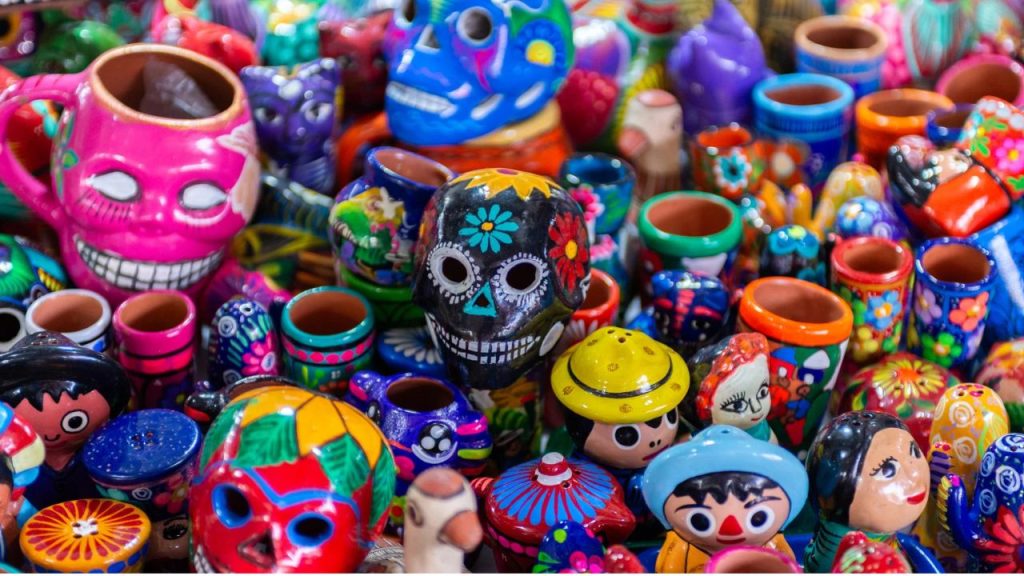
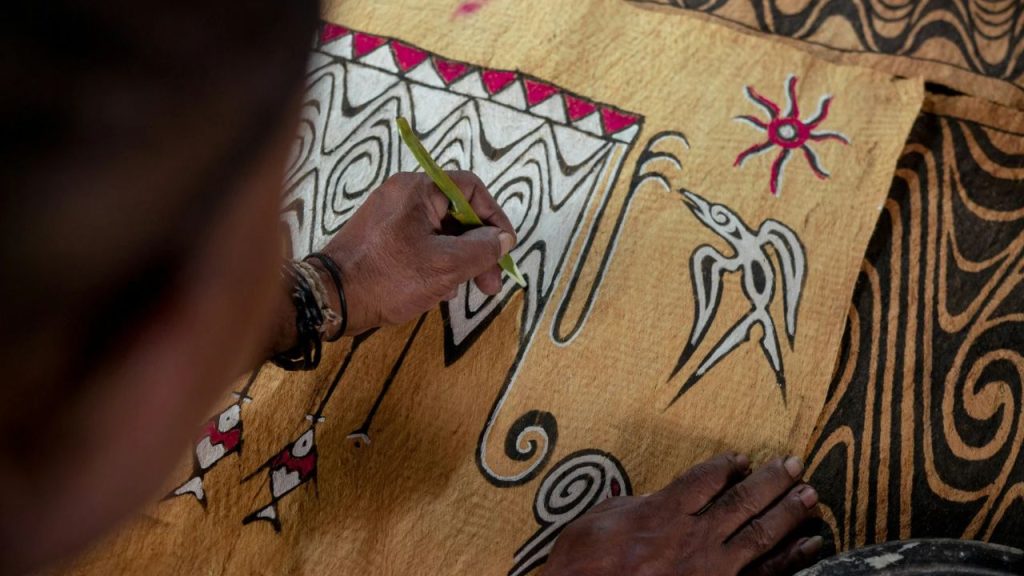
Traditional craftsmanship represents generations of creativity, knowledge, and cultural identity.
Many destinations offer workshops where travelers can learn directly from local artisans.
Some interesting activities include:
- Pottery making in Japan.
- Traditional weaving in Nepal.
- Handmade leatherwork in Morocco.
- Wood carving in Indonesia.
- Textile and embroidery workshops in India.
- Traditional painting in Mexico.
These experiences provide a deeper understanding of how cultural skills are preserved and passed between generations.
Travelers can also support traditional artisans by purchasing authentic handmade products rather than mass-produced souvenirs.
7. Explore Historical Religious and Heritage Sites
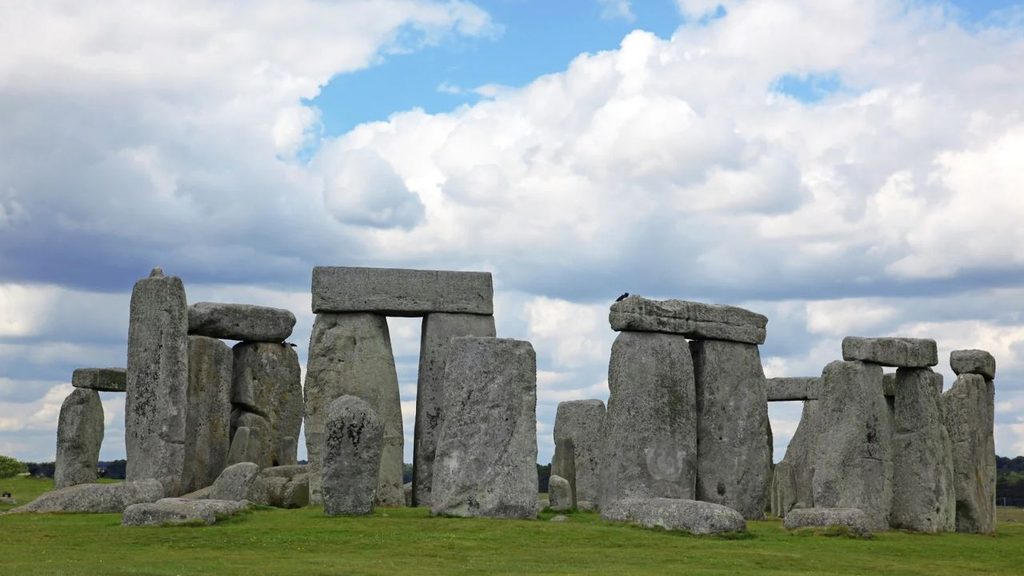
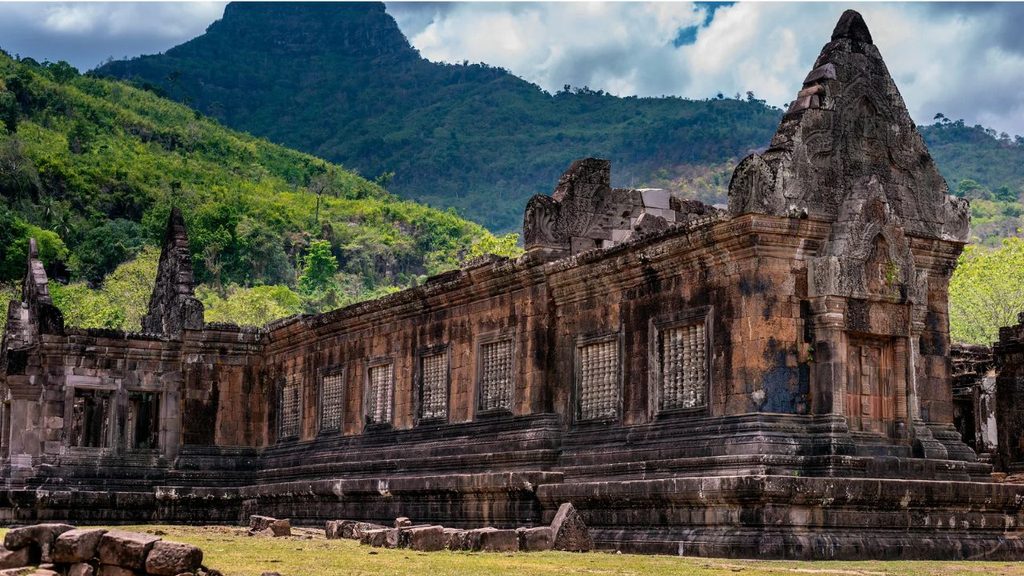
Religious and historical sites often reveal important information about the beliefs, traditions, and identities of previous generations.
Temples, monasteries, churches, mosques, shrines, and pilgrimage routes can help visitors understand how religion influenced architecture, art, community life, and cultural development.
Some remarkable heritage destinations include:
- Kyoto – Traditional temples, shrines, gardens, and Japanese heritage.
- Varanasi – Ancient religious traditions and cultural practices.
- Kathmandu Valley – Historic temples, palaces, and Newari architecture.
- Marrakech – Historic architecture, traditional markets, and cultural heritage.
- Rome – Ancient history, religious architecture, and Roman cultural landmarks.
Visitors should respect local customs, photography restrictions, dress codes, and religious practices when exploring these locations.
8. Reconnect With Ancestral Languages and Oral Traditions
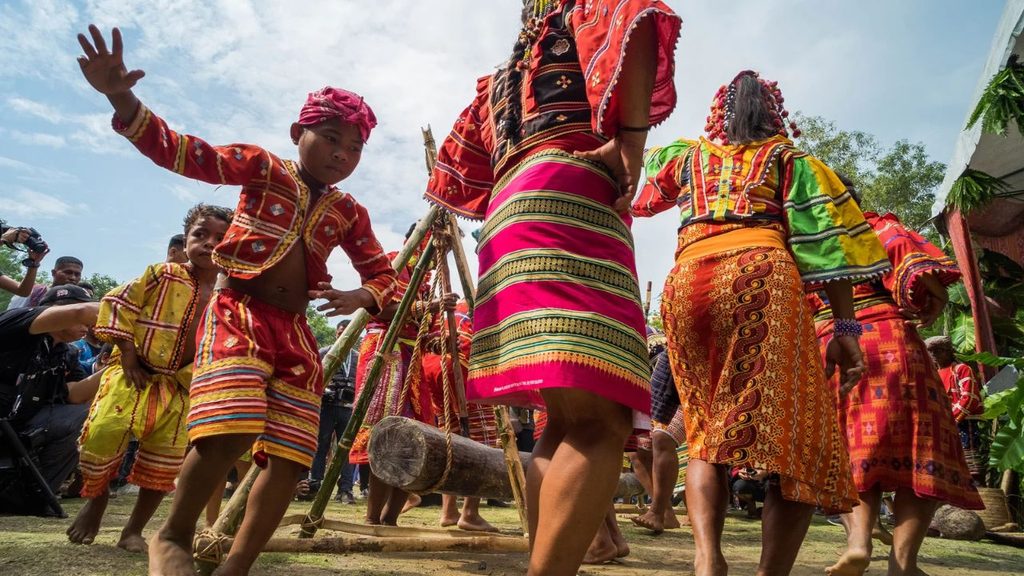

Language is one of the strongest connections between generations.
Many families living abroad have gradually lost contact with the languages spoken by their ancestors. Traveling to ancestral regions can provide an opportunity to rediscover those languages.
Consider taking introductory language classes, attending local storytelling sessions, or speaking with community elders.
Oral traditions are particularly valuable because they preserve information that may not exist in official historical documents.
Traditional songs, folk stories, family legends, and regional expressions can reveal how communities understand their past.
Even learning a few meaningful words from an ancestral language can make a cultural journey more personal.
9. Follow Historical Migration Routes
Migration has shaped family histories across the world.
Millions of families have moved between countries and continents because of employment, education, conflict, trade, and new opportunities.
Exploring migration routes allows travelers to understand the historical circumstances behind their family’s journey.
For example, visitors may explore:
- Ellis Island in New York to understand American immigration history.
- Historic European ports connected to overseas migration.
- Former trading routes across Asia.
- Colonial-era heritage locations.
- Museums documenting international migration.
These journeys can help families understand not only where their ancestors came from but also the challenges and opportunities that influenced their lives.
10. Use Technology to Discover Your Cultural Roots
Technology is making ancestry research and cultural exploration more accessible.
Travelers can now use digital archives, interactive maps, genealogy platforms, virtual museum experiences, and translation applications to research destinations before arriving.
Some useful technologies include:
- DNA ancestry services: May provide clues about genetic ancestry and regional connections, although results are estimates rather than definitive proof of a specific hometown.
- Digital genealogy platforms: Help organize family trees and historical documents.
- Translation applications: Make communication with local communities easier.
- Augmented reality experiences: Can help visitors visualize historical buildings and cultural locations.
- Interactive museum guides: Provide historical information through digital displays and mobile devices.
Technology does not replace personal cultural experiences. Instead, it helps travelers prepare better and understand the historical context of the places they visit.
Best Destinations for Immersive Cultural and Ancestry Travel in 2026
Choosing the right destination depends on your family background, cultural interests, and travel goals.
Here are some destinations worth considering.

1. Ireland
Explore traditional villages, family history archives, historic castles, and Irish cultural traditions.
Ideal for: Irish ancestry and genealogy tourism.

2. Japan
Experience traditional crafts, regional cuisine, historic temples, and cultural festivals.
Ideal for: Cultural immersion and Japanese heritage.
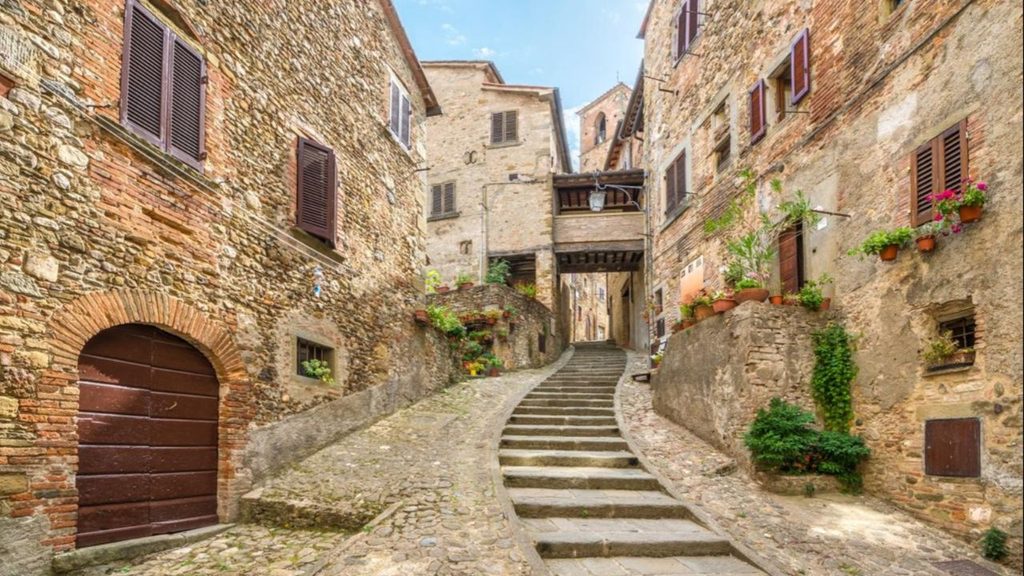
3. Italy
Discover ancestral villages, regional food traditions, historic churches, and family records.
Ideal for: Italian-American ancestry travel.

4. Nepal
Ideal for: Cultural heritage and Himalayan traditions.
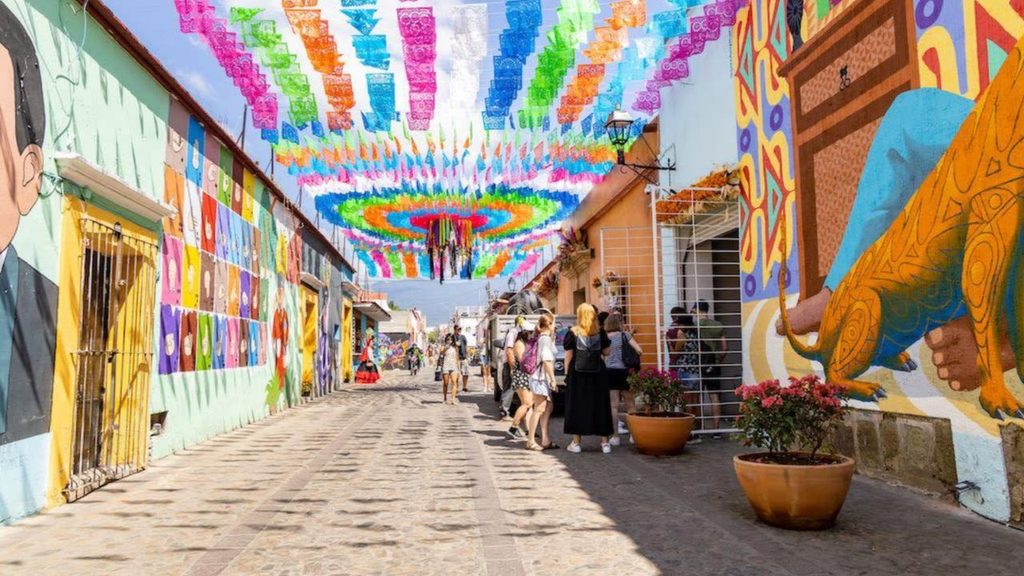
5. Mexico
Explore Indigenous heritage, traditional food, regional crafts, and ancestral celebrations.
Ideal for: Indigenous heritage and Mexican-American ancestry.

6. Ghana
Discover African heritage, historical migration stories, traditional communities, and important historical sites.
Ideal for: African diaspora heritage exploration.
How to Plan Your First Ancestry Travel Experience
A successful ancestry trip begins with research rather than booking flights immediately.
Here is a simple approach to organizing your journey.
Step 1: Start with your family history
Talk with parents, grandparents, relatives, and family elders. Collect photographs, documents, names, birthplaces, and stories.
Step 2: Research historical records
Use genealogy platforms, public archives, immigration documents, and historical databases to identify possible ancestral locations.
Step 3: Choose your destination
Select a country, region, or hometown that has a meaningful connection to your family history or cultural interests.
Step 4: Connect with local experts
Contact genealogy researchers, cultural guides, historians, museums, or local community organizations.
Step 5: Build an experience-based itinerary
Include historical locations, cultural workshops, traditional meals, community experiences, and opportunities to meet local people.
Step 6: Document your journey
Keep photographs, videos, interviews, notes, and family stories. These materials can become valuable records for future generations.
Why Immersive Cultural and Ancestry Travel Is Important for the Future of Tourism
Travelers increasingly have opportunities to choose experiences that offer more than entertainment.
Immersive cultural and ancestry travel connects tourism with education, personal identity, historical preservation, and community engagement.
Several factors make this travel approach particularly meaningful:
Stronger emotional connections: Exploring ancestral places can help travelers understand their family backgrounds and personal histories.
Cultural preservation: Responsible tourism can support traditional artisans, local guides, cultural organizations, and community heritage initiatives.
Authentic experiences: Visitors gain opportunities to understand everyday lifestyles instead of experiencing destinations exclusively through tourist attractions.
Intergenerational learning: Families can travel together, share historical discoveries, and preserve stories for younger generations.
Local economic opportunities: Community-based tourism can generate income for small businesses and local cultural practitioners.
However, responsible cultural tourism is essential. Travelers should avoid treating sacred traditions as entertainment, respect Indigenous communities’ rights, seek permission before recording personal stories, and support locally owned businesses.
Challenges to Consider Before Planning Ancestry Travel
Although ancestry travel can be rewarding, it also involves practical challenges.
- Incomplete family records: Historical documents may be missing, damaged, or difficult to access.
- Language barriers: Some ancestral communities may speak regional languages unfamiliar to visitors.
- Changing borders: Historical country boundaries may differ from modern political geography.
- Emotional discoveries: Family history may involve migration, separation, discrimination, or difficult historical events.
- Travel expenses: Visiting several ancestral locations can require additional transportation, research, and accommodation budgets.
Planning ahead and working with reliable local researchers can make the experience more productive.
Final Thoughts: Travel Beyond Destinations and Discover Your Heritage
Immersive cultural and ancestry travel represents a meaningful way to experience the world in 2026. It encourages travelers to explore beyond popular attractions and discover the people, traditions, and historical stories that give destinations their identities.
Whether you visit your grandparents’ hometown, learn traditional cooking from a local family, research historical migration routes, or participate in cultural festivals, every experience can reveal something new about the past.
Ultimately, the value of this journey is not measured by the number of destinations visited. It is measured by the connections, knowledge, and memories you bring home.
Your next journey could be more than a vacation. It could be an opportunity to rediscover where your story began.
What do you feel about this post?

Like

Love

Happy

Haha

Sad