

Multi-Generational Family Travel
Travel is more than visiting beautiful destinations. It is about creating memories, sharing experiences, and strengthening relationships with the people who matter most. For families, traveling together offers a wonderful opportunity to connect grandparents, parents, children, and even extended relatives through meaningful adventures.
Multi-generational family travel is becoming an increasingly popular way to spend quality time together. Instead of organizing separate vacations for different age groups, families are choosing experiences that bring everyone together, regardless of age or interests.
Whether you are planning a relaxing beach vacation, a cultural journey, a mountain adventure, or a family reunion abroad, traveling across generations can create memories that last a lifetime.
In this guide, we explore nine amazing ways to plan unforgettable multi-generational family vacations in 2026, along with practical tips for making every family member feel included.
What Is Multi-Generational Family Travel?
Multi-generational family travel refers to vacations involving three or more generations of a family, usually grandparents, parents, and children traveling together.
These trips may also include extended family members such as aunts, uncles, cousins, and other relatives.
Unlike traditional family vacations, multi-generational travel requires thoughtful planning to accommodate different ages, physical abilities, interests, budgets, and travel preferences.
The goal is not simply to visit a destination together. It is to create experiences that allow everyone to enjoy the journey while strengthening family connections.
Another growing variation is skip-generation travel, where grandparents travel with grandchildren without the parents. These vacations offer opportunities for grandparents and grandchildren to build closer relationships through shared adventures.
Why Multi-Generational Family Travel Is Growing in Popularity
Family travel is evolving as people increasingly prioritize meaningful experiences and quality time with loved ones.
The 2025 U.S. Family Travel Survey, published by NYU’s Jonathan M. Tisch Center of Hospitality and its partners, found that 57% of surveyed parents planned multi-generational trips, up from 55% in 2023. The survey also reported that 85% of parent respondents believed family travel brought their families closer together. These findings reflect the growing appeal of shared family experiences, although the survey represents U.S. respondents rather than travelers worldwide.
Source: NYU 2025 Family Travel Survey
Several factors are contributing to this growing interest:
- Stronger family connections: Travel gives relatives opportunities to reconnect outside their everyday routines.
- Shared expenses: Families can divide accommodation, transportation, and other costs.
- Meaningful celebrations: Vacations can celebrate birthdays, anniversaries, retirements, and family milestones.
- Educational opportunities: Children can discover new cultures, traditions, landscapes, and historical places.
- Memories across generations: Grandparents and grandchildren can share experiences that strengthen their relationships.
For many families, the real value of traveling together is not the destination itself but the memories created along the way.
9 Amazing Multi-Generational Family Travel Ideas for 2026
1. Choose Destinations That Offer Something for Everyone
The foundation of a successful multi-generational vacation is choosing a destination that appeals to different age groups.
Grandparents may appreciate peaceful surroundings, cultural attractions, and comfortable accommodation. Parents might prefer convenience, sightseeing, and relaxation, while children often look forward to exciting activities and opportunities to explore.
The ideal destination offers a balance of experiences rather than focusing entirely on one generation.
Consider destinations with:
- Beautiful natural scenery and accessible walking trails
- Family-friendly attractions and entertainment
- Cultural experiences and historical landmarks
- Relaxing resorts or comfortable vacation rentals
- Convenient transportation and essential services
For example, a destination with beaches, local markets, cultural attractions, and nearby restaurants can provide a variety of activities without requiring everyone to follow the same schedule.
The key is to select a destination where different interests can coexist.
2. Plan a Flexible Itinerary Instead of a Busy Schedule
One of the biggest mistakes in multi-generational family travel is trying to organize every moment of the vacation.
A packed itinerary can quickly become exhausting for older travelers, young children, and even adults who need time to relax.
Instead, build your itinerary around a few important experiences and leave room for spontaneous activities.
A balanced daily schedule might include:
- A relaxed breakfast together
- One major sightseeing activity
- Free time for individual interests
- An optional afternoon activity
- A shared family dinner
Allowing family members to rest or explore independently helps prevent travel fatigue.
Remember that everyone does not need to participate in every activity. Sometimes, giving each generation a little freedom makes the entire vacation more enjoyable.
3. Select Comfortable and Accessible Accommodation
Accommodation can make or break a multi-generational vacation.
Choosing a property that provides enough space, privacy, and convenience helps everyone feel comfortable throughout the trip.
Consider options such as:
- Family villas with multiple bedrooms
- Vacation rentals with kitchens and living areas
- Hotels offering connecting rooms
- Resorts with family suites
- Accommodation near restaurants, attractions, and transportation
Before booking, check whether the property offers elevators, accessible bathrooms, comfortable beds, nearby medical facilities, and other amenities that your family may need.
A kitchen can also be particularly helpful for families traveling with young children or relatives with dietary restrictions.
The best accommodation is not necessarily the most luxurious. It is the one that makes the entire family feel relaxed and welcome.
4. Prioritize Activities That Bring Generations Together

The most memorable family vacations often involve experiences that everyone can enjoy together.
Rather than planning separate activities for each age group throughout the entire trip, include opportunities for shared discovery.
Some excellent multi-generational activities include:
- Cooking classes featuring local cuisine
- Cultural performances and traditional festivals
- Scenic boat rides
- Wildlife viewing and nature experiences
- Family photography sessions
- Local food tours
- Historical sightseeing
- Beach picnics and sunset walks
These experiences encourage conversation, teamwork, and shared enjoyment.
Children may discover something new about their grandparents, while older family members can enjoy seeing the world through younger travelers’ eyes.
5. Make Accessibility and Comfort a Priority
A successful family vacation should accommodate everyone, including relatives with mobility limitations, health concerns, or different energy levels.
Before finalizing your travel plans, consider the physical demands of each activity.
For older family members, check:
- Walking distances and terrain
- Availability of elevators and ramps
- Resting areas and seating
- Accessible transportation
- Bathroom facilities
- Medical support and emergency services
For younger children, consider stroller access, family-friendly dining, suitable sleeping arrangements, and opportunities for breaks.
Accessibility should not be treated as an afterthought. It should be part of the planning process from the beginning.
A thoughtful itinerary allows every generation to participate comfortably without feeling pressured.
6. Create a Family Travel Budget Together
Multi-generational vacations can involve significant expenses, particularly when several households are traveling together.
A shared budget helps everyone understand costs and avoid misunderstandings.
Start by discussing the major expenses:
- Flights or transportation
- Accommodation
- Meals and dining
- Activities and entrance fees
- Travel insurance
- Local transportation
- Emergency funds
Decide whether expenses will be divided equally, shared by household, or allocated according to individual preferences.
For example, one family may choose a more expensive accommodation option while another prefers a budget-friendly alternative.
Having an open conversation about finances before booking helps prevent disagreements during the vacation.
Look for opportunities to save money through early reservations, group discounts, shared transportation, and accommodation with kitchen facilities.
The goal is to create a vacation that fits the family’s budget without sacrificing meaningful experiences.
7. Let Children and Grandparents Participate in Planning
Multi-generational family travel becomes more enjoyable when everyone has a voice.
Instead of allowing one person to make every decision, invite family members to suggest destinations, activities, and experiences.
Children can choose a museum, amusement park, or outdoor activity. Grandparents might recommend a cultural attraction, historical site, or destination they have always wanted to visit.
Parents can coordinate logistics and ensure the itinerary remains practical.
This collaborative approach helps everyone feel involved and excited about the trip.
It also creates opportunities for younger family members to learn decision-making, budgeting, and travel planning.
When everyone contributes, the vacation becomes a shared family project rather than a schedule imposed by one person.
8. Explore Cultural Experiences and Local Traditions
Travel offers a wonderful opportunity to introduce different generations to new cultures.
Instead of focusing entirely on popular tourist attractions, consider experiences that reveal the destination’s traditions, food, history, and everyday lifestyle.
Families can:
- Visit traditional markets
- Explore historic neighborhoods
- Attend cultural festivals
- Learn traditional cooking techniques
- Discover local crafts
- Participate in guided heritage tours
- Enjoy regional food and music
These activities can be especially meaningful for children because they combine entertainment with education.
Grandparents may also enjoy sharing their own cultural knowledge and family traditions during the journey.
Cultural exploration creates opportunities for conversation and learning that continue long after the vacation ends.
9. Capture Memories and Celebrate Family Moments
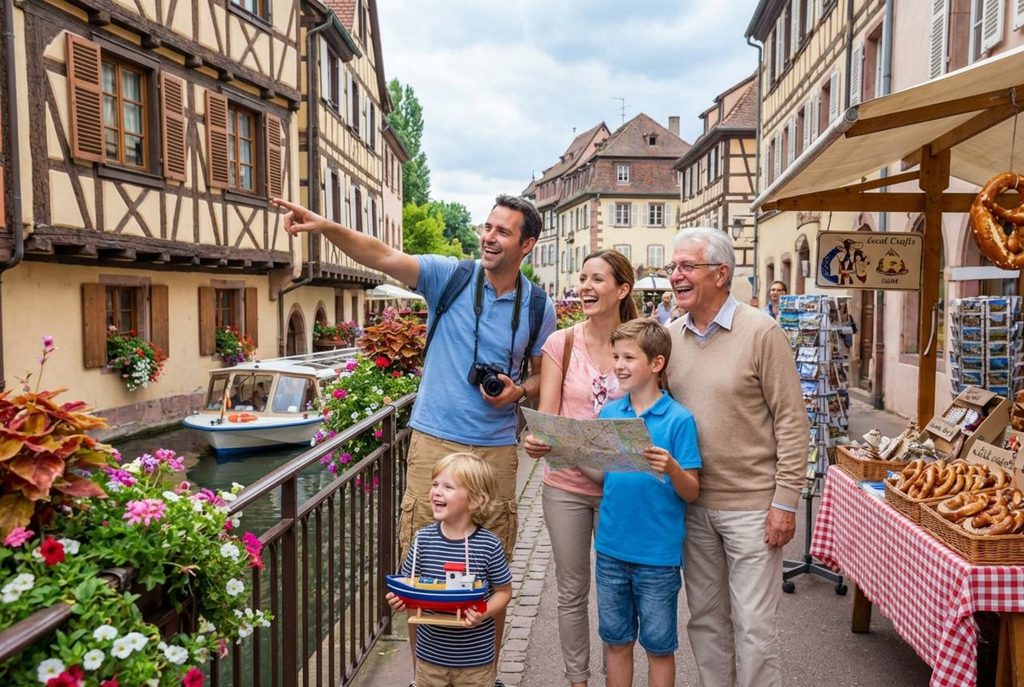
One of the greatest benefits of multi-generational family travel is the opportunity to create memories that future generations will cherish.
Make time to document the journey without allowing photography to interrupt every experience.
Some meaningful ideas include:
- Taking a family portrait at each destination
- Recording short video interviews with grandparents
- Creating a shared digital photo album
- Collecting postcards and souvenirs
- Writing down favorite family moments
- Preparing a travel scrapbook after returning home
Consider organizing a special family dinner or celebration during the trip.
These simple activities can turn an ordinary vacation into a meaningful family tradition.
Years later, photographs and stories from the journey may become treasured reminders of the time everyone spent together.
Best Destinations for Multi-Generational Family Travel
The best destination depends on your family’s interests, budget, mobility, and travel experience.
Here are several destination ideas worth considering for family vacations in 2026.
Nepal: Mountains, Culture, and Family Experiences
Nepal offers a diverse range of experiences for families who enjoy nature, culture, and adventure.
Families can explore:
- Kathmandu’s historical temples and cultural landmarks
- Pokhara’s lakeside scenery and mountain views
- Chitwan’s wildlife and nature experiences
- Lumbini’s cultural and spiritual heritage
- Scenic countryside destinations and traditional villages
Nepal can be especially appealing for families seeking meaningful cultural experiences and natural beauty.
However, trekking routes and high-altitude activities should be selected carefully according to everyone’s health, fitness, and comfort level.
Singapore: Convenient and Family-Friendly Exploration
Singapore offers modern infrastructure, efficient public transportation, cultural attractions, and a variety of family activities.
It can be a convenient destination for families who want a combination of city sightseeing, entertainment, shopping, and food experiences.
Its accessibility and range of attractions make it worth considering for families traveling with children and older relatives.
Japan: Culture, Food, and Memorable Adventures
Japan offers opportunities to experience traditional culture alongside modern attractions.
Families can explore historic neighborhoods, gardens, cultural landmarks, local cuisine, and family-friendly entertainment.
A well-planned itinerary can combine cultural exploration with relaxing experiences while allowing enough time to rest between activities.
Thailand: Relaxation and Cultural Discovery
Thailand offers beaches, cultural attractions, local markets, and resorts suitable for different family preferences.
Families can combine relaxing beach stays with cultural sightseeing and food experiences.
Choosing accommodation close to essential services and planning activities around everyone’s comfort can help create a rewarding vacation.
Italy: History, Cuisine, and Family Traditions
Italy is a wonderful option for families who enjoy history, architecture, food, and cultural experiences.
Families can explore historic cities, scenic countryside, local markets, and traditional cuisine.
However, some historic destinations involve uneven streets, stairs, and substantial walking, so accessibility and transportation should be considered before booking.
Common Challenges of Multi-Generational Family Travel
Although traveling together can be rewarding, it also comes with challenges.
Different Travel Preferences
One family member may prefer adventure, while another wants relaxation.
Solution: Include a combination of shared activities and individual free time.
Different Budgets
Some relatives may be comfortable spending more than others.
Solution: Discuss financial expectations early and choose arrangements that respect everyone’s budget.
Health and Mobility Differences
Older adults and young children may have different physical needs.
Solution: Select accessible accommodation, avoid exhausting schedules, and plan regular breaks.
Family Disagreements
Spending extended time together can occasionally create tension.
Solution: Communicate openly, remain flexible, and respect individual preferences.
Travel Fatigue
Long journeys and frequent sightseeing can become exhausting.
Solution: Choose comfortable transportation, allow recovery time, and avoid changing accommodation too frequently.
Successful multi-generational travel is not about eliminating every challenge. It is about planning thoughtfully and treating everyone’s needs with respect.
Multi-Generational Family Travel Planning Checklist
Before booking your next family vacation, use this simple checklist:
- Choose a destination suitable for all generations.
- Discuss everyone’s interests and expectations.
- Establish a realistic travel budget.
- Select comfortable and accessible accommodation.
- Check transportation options and travel times.
- Plan activities with different energy levels in mind.
- Review dietary needs and medical requirements.
- Purchase suitable travel insurance.
- Keep important travel documents accessible.
- Leave time for relaxation and spontaneous experiences.
A little preparation can make a significant difference to the overall travel experience.
The Future of Multi-Generational Family Travel
In 2026, family travel continues to place greater emphasis on meaningful experiences, shared memories, and accommodations that serve different generations.
Hilton’s 2026 travel trends research highlights the growing interest in trips involving grandparents, parents, and children, including vacations where grandparents travel with grandchildren without the parents.
The report also points to increased interest in family experiences that encourage togetherness, play, and shared discovery.
Source: Hilton 2026 Travel Trends
As family travel evolves, travelers are increasingly looking beyond traditional sightseeing.
They want experiences that strengthen relationships, introduce new perspectives, and create memories that can be shared across generations.
For families planning future vacations, this means prioritizing meaningful experiences, flexibility, comfort, and thoughtful destination choices.
Final Thoughts: Make Every Family Journey Meaningful
Multi-generational family travel offers a unique opportunity to bring loved ones closer together.
From grandparents sharing stories with grandchildren to parents discovering new destinations with their children, every journey can create moments that become part of a family’s history.
The secret to a successful vacation is not finding the perfect destination or organizing an expensive itinerary.
It is making sure everyone feels included, comfortable, and valued.
With thoughtful planning, flexible schedules, accessible accommodation, and shared experiences, families can transform ordinary holidays into extraordinary memories.
Whether you are exploring Nepal’s mountains, discovering Japan’s cultural treasures, relaxing on a tropical beach, or celebrating a family milestone abroad, the most important part of the journey is the people you share it with.
Start planning your next multi-generational family vacation today and create unforgettable memories that will last for generations.
What destination would you love to explore with your grandparents, parents, and children? Share your favorite family travel ideas and inspire others to plan their next adventure.
What do you feel about this post?

Like

Love

Happy

Haha

Sad