
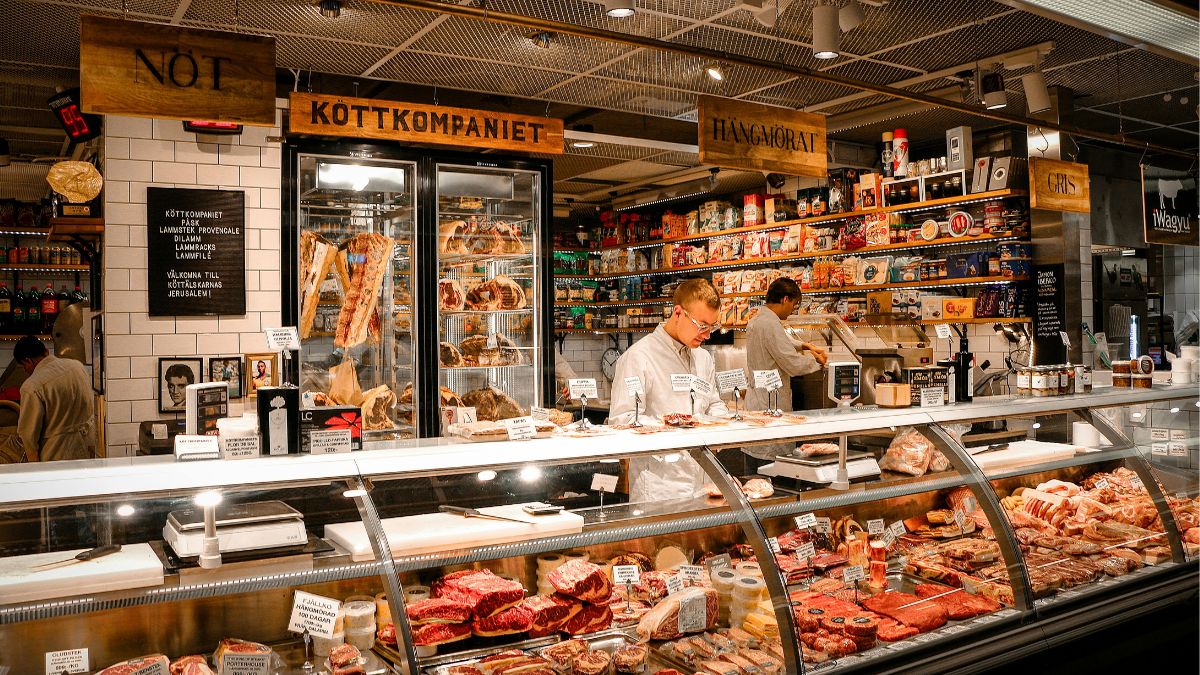
Food & Local Culinary Journeys: 10 Amazing Ways to Explore the World
Travel is more than visiting famous landmarks, staying in beautiful hotels, and taking memorable photographs. Some of the most meaningful travel experiences happen around a dining table, inside a traditional kitchen, or while exploring a bustling local food market.
Food & Local Culinary Journeys offer travelers an extraordinary opportunity to discover the world through authentic flavors, traditional recipes, and unforgettable dining experiences. From tasting street food in Thailand to enjoying handmade pasta in Italy, culinary travel connects people with the culture, history, and lifestyle of destinations around the globe.
Every destination has its own culinary identity. Local ingredients, cooking techniques, family traditions, and regional specialties tell stories that cannot always be discovered through conventional sightseeing.
Whether you are an adventurous foodie, a cultural explorer, or someone who simply enjoys trying new dishes, exploring local cuisine can transform an ordinary vacation into an extraordinary adventure.
In this guide, discover ten amazing ways to experience global cuisine, explore authentic food destinations, and make your next travel experience more meaningful.
1. Explore Traditional Local Food Markets
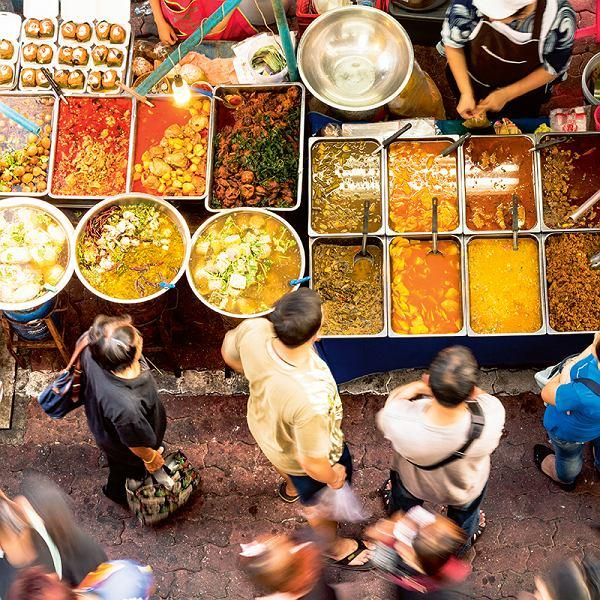
One of the best ways to understand a destination’s food culture is by visiting its traditional markets.
Local food markets offer a fascinating combination of fresh ingredients, traditional products, regional spices, and everyday culinary activities. They provide opportunities to interact with local vendors and discover ingredients that may be unfamiliar to international travelers.
From Bangkok’s vibrant street markets to traditional bazaars in Istanbul, food markets reveal the relationship between local communities and their culinary traditions.
During your visit, explore fresh vegetable stalls, local bakeries, seafood vendors, spice shops, and traditional food counters.
Travel tip: Visit markets early in the morning when local residents and restaurant owners are shopping for fresh ingredients.
2. Discover Authentic Street Food Experiences
Street food is an essential part of culinary tourism. It allows travelers to experience regional flavors without necessarily spending a large amount of money.
Many traditional street food dishes have been prepared and perfected over generations. They reflect local ingredients, cultural influences, and the creativity of independent food vendors.
Some famous street food experiences include:
- Thailand: Pad Thai and mango sticky rice.
- Vietnam: Banh Mi and Pho.
- Japan: Takoyaki and Yakitori.
- Mexico: Tacos and quesadillas.
- Nepal: Momos and chatpate.
- India: Pani puri and dosa.
Street food provides an opportunity to explore local neighborhoods while discovering the everyday eating habits of residents.
Choose vendors with good hygiene practices, freshly prepared food, and proper food handling. Travelers should also consider food allergies and dietary restrictions.
3. Participate in Traditional Cooking Classes
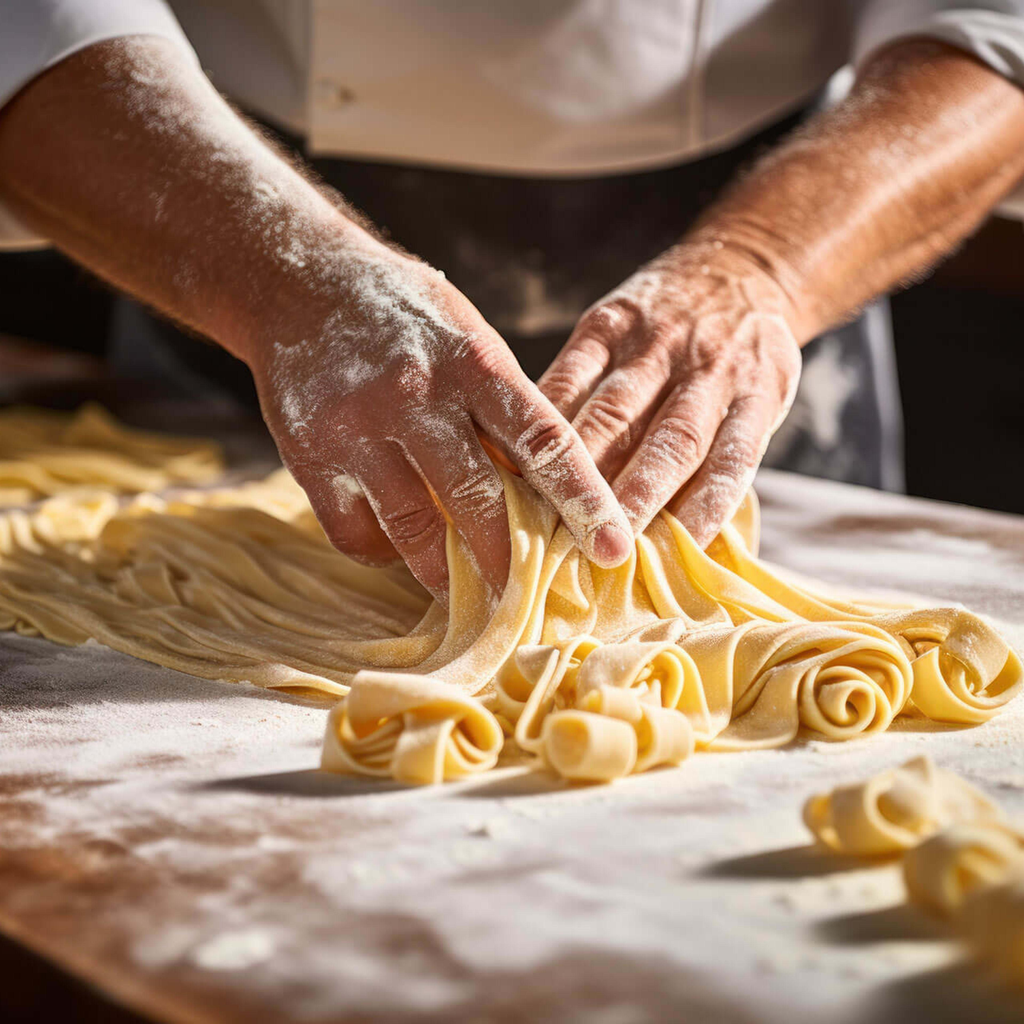
Cooking classes provide a more interactive way to understand local cuisine.
Rather than simply tasting traditional dishes, travelers can learn how they are prepared, which ingredients are used, and why particular cooking methods are important to local communities.
Many destinations offer cooking experiences led by professional chefs, home cooks, and culinary experts.
Popular experiences include:
- Learning traditional pasta-making techniques in Italy.
- Preparing Thai curries in Chiang Mai.
- Making sushi in Japan.
- Learning to prepare traditional Nepali momos.
- Exploring Mexican mole preparation.
Some cooking experiences also include guided visits to local markets, allowing participants to purchase fresh ingredients before preparing their meals.
These activities are suitable for solo travelers, couples, families, and anyone interested in bringing international cooking techniques into their own kitchen.
4. Experience Farm-to-Table Dining
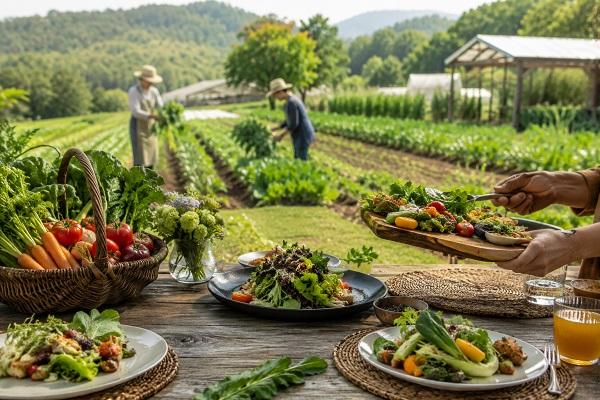
Farm-to-table dining connects travelers with the origins of their food.
Instead of relying entirely on commercially processed ingredients, farm-to-table experiences emphasize locally sourced, seasonal, and freshly prepared products.
Travelers can visit agricultural communities, organic farms, vineyards, and rural food producers to understand how ingredients are cultivated and transformed into meals.
<PRIVATE_PERSON> Farm-to-table experiences may include harvesting vegetables, collecting fresh ingredients, learning about traditional farming, and enjoying meals prepared using locally produced food.
These experiences can support local farmers, encourage responsible food consumption, and help preserve regional agricultural traditions.
For travelers interested in sustainable tourism, farm visits offer an opportunity to understand the connection between agriculture, food, and environmental responsibility.
5. Discover Regional Culinary Specialties
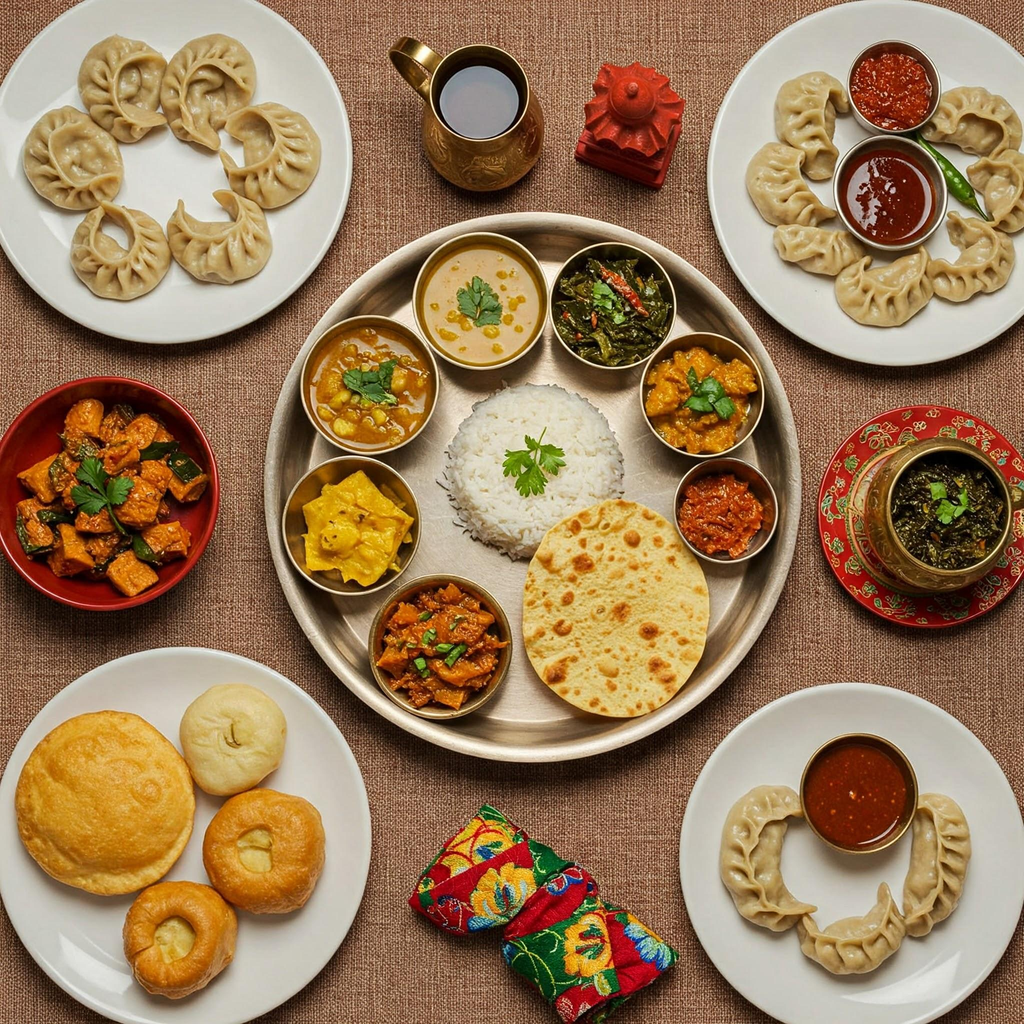
Every country has distinctive regional dishes that reflect its geography, climate, and cultural history.
Exploring these specialties is one of the most rewarding parts of Food & Local Culinary Journeys.
Consider these destinations:
Italy: Explore regional pasta, pizza, risotto, cheeses, and traditional desserts.
Japan: Discover sushi, ramen, tempura, soba, and seasonal Japanese specialties.
Thailand: Experience the balance of sweet, sour, spicy, salty, and savory flavors.
Mexico: Explore tacos, tamales, mole, pozole, and traditional Indigenous food influences.
Nepal: Discover dal bhat, momo, Newari cuisine, Thakali food, and sel roti.
Regional food experiences help travelers appreciate how local communities use available ingredients to create distinctive culinary traditions.
6. Explore Nepal’s Rich Culinary Heritage
Nepal deserves special attention as a destination for cultural and culinary exploration.
Its geographical diversity, ethnic communities, agricultural traditions, and cultural festivals have created an incredibly diverse food culture.
From the Himalayan mountains to the Kathmandu Valley and the southern plains, each region offers distinctive ingredients and traditional dishes.
Some must-try Nepali foods include:
Dal Bhat: A traditional combination of rice, lentil soup, vegetables, pickles, and accompanying dishes. It is an important part of everyday Nepali life.
Momo: Popular dumplings filled with vegetables or meat, commonly served with flavorful dipping sauces.
Newari Cuisine: The Kathmandu Valley’s Newar community has a distinctive culinary heritage featuring dishes such as bara, yomari, and samay baji.
Thakali Food: Known for traditional meal combinations featuring rice, lentils, vegetables, and regional accompaniments.
Sel Roti: A traditional ring-shaped rice bread prepared during festivals and family celebrations.
Gundruk: A traditional fermented leafy vegetable preparation commonly enjoyed as a side dish or soup ingredient.
Visitors can explore traditional restaurants, neighborhood eateries, local food markets, and community-based cooking experiences.
Nepal’s culinary heritage demonstrates how food connects generations, preserves cultural identity, and brings communities together.
7. Attend Local Food Festivals and Cultural Celebrations

Food festivals provide a unique opportunity to experience a destination’s culinary identity through celebrations, traditional recipes, and community activities.
Many festivals are associated with harvest seasons, religious traditions, historical events, or regional specialties.
Some interesting examples include:
- Oktoberfest in Germany, celebrating Bavarian traditions.
- La Tomatina in Spain, a famous tomato festival.
- Japanese regional food festivals celebrating seasonal specialties.
- Nepal’s Dashain and Tihar celebrations, featuring traditional foods and family gatherings.
Attending these celebrations allows visitors to experience more than food. They can discover music, traditional performances, community gatherings, and local customs.
Before planning a trip around a festival, check its official schedule and visitor information.
8. Experience Family-Owned Restaurants and Traditional Kitchens
Some of the most authentic culinary experiences can be discovered in small, family-owned restaurants and traditional home kitchens.
These establishments often preserve recipes and cooking methods passed down through generations.
Unlike highly commercialized dining experiences, family-owned restaurants may provide opportunities to learn directly from the people who prepare traditional dishes.
Travelers can discover local specialties, understand the stories behind traditional recipes, and experience regional hospitality.
When appropriate, consider joining organized home-dining experiences or community-led culinary tours.
Always respect local customs, ask permission before photographing people, and follow the host’s dining etiquette.
9. Explore Sustainable and Responsible Food Tourism
Responsible culinary tourism encourages travelers to support local communities while respecting traditional food practices and the environment.
Food & Local Culinary Journeys become more meaningful when travelers make thoughtful decisions about where they eat and how their food is produced.
Here are some ways to practice responsible food tourism:
- Choose locally owned restaurants and independent food businesses.
- Support farmers and regional food producers.
- Explore seasonal ingredients.
- Avoid unnecessary food waste.
- Respect traditional recipes and cultural practices.
- Choose responsible agricultural and culinary experiences.
- Consider environmentally conscious dining establishments.
Sustainable food tourism can help preserve culinary heritage, strengthen local economies, and encourage responsible travel practices.
10. Document Your Culinary Adventures
Every memorable meal can become part of your travel story.
Documenting culinary experiences allows travelers to preserve memories and share discoveries with other food enthusiasts.
Consider creating a culinary travel journal that includes:
- Names of traditional dishes.
- Ingredients and cooking techniques.
- Restaurant and market locations.
- Cultural stories behind regional recipes.
- Photographs of food and preparation.
- Personal reviews and recommendations.
You can also create travel videos, food blogs, social media posts, and destination guides.
Sharing authentic culinary experiences may inspire other travelers to explore lesser-known destinations and support local food businesses.
Top 5 Countries for Unforgettable Culinary Travel
If you are planning your next international culinary adventure, consider these destinations.
Thailand: A Paradise for Street Food Lovers
Thailand is famous for its vibrant food culture and distinctive flavor combinations. Bangkok offers exciting street food markets, while Chiang Mai provides opportunities to explore northern Thai specialties.
Italy: The Home of Traditional Food Culture
Italy offers an extraordinary variety of regional cuisines, traditional pasta, pizza, cheeses, and desserts. Tuscany, Naples, and Bologna are particularly interesting destinations for food lovers.
Japan: A Celebration of Culinary Craftsmanship
Japanese cuisine emphasizes seasonal ingredients, careful preparation, and presentation. Travelers can explore sushi, ramen, traditional tea culture, and regional specialties.
Mexico: A World of Bold and Traditional Flavors
Mexico offers an incredible culinary heritage shaped by Indigenous traditions and cultural exchange. Oaxaca and Mexico City are excellent destinations for exploring traditional dishes and local food markets.
Nepal: A Diverse Culinary Destination
Nepal provides an exciting combination of Himalayan food traditions, Newari cuisine, regional specialties, and traditional hospitality. Kathmandu, Pokhara, and other cultural destinations offer opportunities to explore the country’s culinary identity.
How to Plan Your Own Food & Local Culinary Journeys
Planning a successful culinary trip does not require an expensive budget. With proper research and an open mind, travelers can discover authentic food experiences almost anywhere.
Follow these practical steps:
Step 1: Select your destination. Choose a country or region known for cuisine that interests you.
Step 2: Research traditional dishes. Learn about local specialties, ingredients, and food traditions before arriving.
Step 3: Find authentic experiences. Explore local markets, independent restaurants, cooking classes, and community-led food tours.
Step 4: Create a flexible itinerary. Include a mixture of markets, street food, restaurants, and cultural experiences.
Step 5: Learn basic local expressions. Understanding words such as delicious, vegetarian, and thank you can improve communication.
Step 6: Respect local customs. Learn appropriate dining etiquette and be mindful of cultural and dietary practices.
Step 7: Document your experiences. Take notes and photographs to preserve your culinary discoveries.
The best culinary travel experiences often happen unexpectedly, so leave enough time for spontaneous exploration.
The Future of Food & Local Culinary Journeys
The future of culinary tourism is closely connected to travelers’ growing interest in authenticity, sustainability, and cultural experiences.
Several developments are influencing how people explore food destinations.
Personalized culinary experiences: Travelers are increasingly seeking food experiences based on their interests, including vegetarian cuisine, traditional recipes, regional specialties, and cooking workshops.
Digital food discovery: Travel websites, food blogs, social media, and online reviews make it easier to discover restaurants, traditional markets, and lesser-known culinary destinations.
Sustainable dining: Greater awareness of environmental issues is encouraging travelers to consider local sourcing, seasonal ingredients, and responsible food production.
Community-based tourism: Locally organized food experiences allow travelers to learn directly from residents while supporting traditional livelihoods.
Culinary storytelling: Photography, videos, and digital publishing are helping travelers share the cultural stories behind traditional food.
These developments create opportunities for destinations to preserve culinary traditions while offering visitors more meaningful travel experiences.
Conclusion: Let Food Lead Your Next Adventure
Food & Local Culinary Journeys are more than opportunities to enjoy delicious meals. They are meaningful experiences that connect travelers with cultures, communities, traditions, and local lifestyles.
From Thailand’s vibrant street food markets to Italy’s traditional kitchens, Japan’s culinary craftsmanship, Mexico’s regional specialties, and Nepal’s diverse food heritage, every destination has something unique to offer.
Exploring local cuisine encourages travelers to slow down, interact with residents, discover unfamiliar flavors, and appreciate the cultural importance of everyday meals.
Whether you are planning an international vacation or exploring your own hometown, let traditional food guide your next adventure.
Discover new destinations, taste authentic local flavors, and turn every meal into an unforgettable travel story.
Frequently Asked Questions (FAQs)
1. What are Food & Local Culinary Journeys?
Food & Local Culinary Journeys are travel experiences focused on discovering destinations through traditional cuisine, local ingredients, food markets, cooking classes, regional dishes, and cultural dining experiences.
2. Which countries are best for culinary travel?
Thailand, Italy, Japan, Mexico, France, Vietnam, India, and Nepal are excellent destinations for culinary tourism because of their distinctive food traditions and regional specialties.
3. What are the best culinary experiences for travelers?
Popular experiences include street food tours, cooking classes, traditional food market visits, farm-to-table dining, regional food festivals, and local restaurant exploration.
4. Is culinary travel expensive?
No. Culinary travel can accommodate different budgets. Street food, traditional markets, and family-owned restaurants often provide affordable experiences, while specialized food tours and fine dining may cost more.
5. Why is local cuisine important in tourism?
Local cuisine helps travelers understand a destination’s culture, history, agriculture, and traditions. It also creates opportunities to support local businesses and connect with communities.
6. How can travelers find authentic local food?
Travelers can ask local residents for recommendations, explore traditional markets, visit independent restaurants, participate in cooking classes, and discover regional specialties.
7. What is sustainable culinary tourism?
Sustainable culinary tourism focuses on supporting local food producers, choosing seasonal ingredients, reducing food waste, respecting traditional food practices, and benefiting local communities.
8. Can Nepal become a popular culinary tourism destination?
Yes. Nepal’s diverse regional cuisines, traditional food culture, local ingredients, and community hospitality provide strong opportunities for culinary tourism development.
What do you feel about this post?

Like

Love

Happy

Haha

Sad
