

AI in Business in 2026: 10 Powerful Ways Artificial Intelligence Is Transforming the Future of Business
Artificial Intelligence (AI) is no longer simply a futuristic technology or an experimental tool used by major technology companies. In 2026, AI has become an important part of how businesses operate, compete, communicate with customers, manage employees, and make strategic decisions.
From small startups to multinational corporations, organizations are discovering new ways to use artificial intelligence to improve productivity, reduce operational costs, automate repetitive tasks, and create better customer experiences.
The biggest change in 2026 is that businesses are moving beyond simply using AI chatbots to generate content. They are increasingly integrating AI into everyday business operations, including sales, marketing, customer service, financial analysis, software development, logistics, and decision-making.
According to Stanford University’s 2026 AI Index Report, 88% of surveyed organizations reported using AI in at least one business function in 2025. Generative AI adoption has also expanded rapidly, demonstrating how quickly artificial intelligence is becoming part of the global economy.
But what does this transformation actually mean for businesses?
In this article, we explore 10 powerful ways AI is reshaping business in 2026, the industries benefiting from this transformation, the challenges companies need to understand, and how businesses can prepare for an AI-powered future.
What Is the Role of AI in Business in 2026?
Artificial intelligence enables businesses to use computer systems that can analyze information, recognize patterns, generate content, understand language, and perform tasks that traditionally required human involvement.
In 2026, businesses are using several types of AI technologies:
- Generative AI: Creates written content, images, videos, presentations, and other digital materials.
- Agentic AI: AI systems that can plan and execute multiple steps toward a defined objective with varying levels of human supervision.
- Predictive AI: Analyzes historical information to forecast future trends and business outcomes.
- Conversational AI: Powers intelligent chatbots and virtual customer assistants.
- Machine Learning: Helps systems identify patterns and improve predictions using data.
- Computer Vision: Enables computers to analyze images, videos, and visual information.
Together, these technologies are changing how businesses approach productivity, innovation, customer relationships, and competition.
10 Powerful Ways AI Is Reshaping Business in 2026
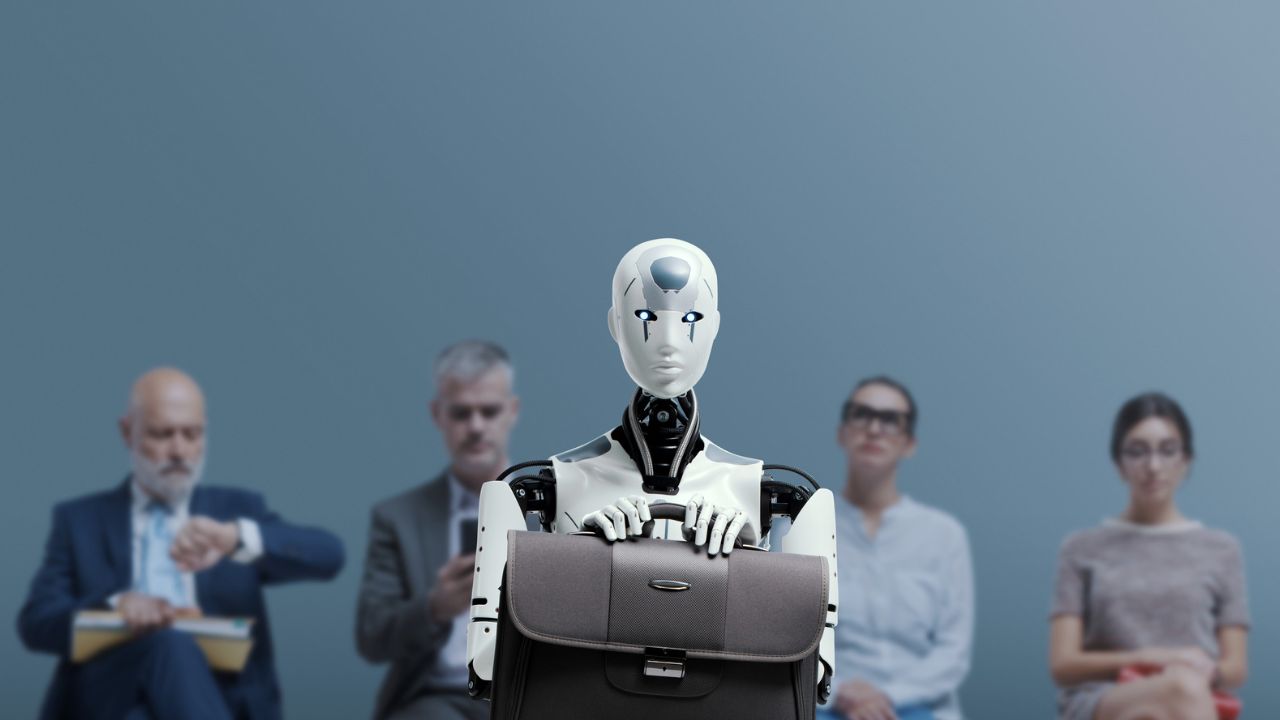
1. Business Automation Is Becoming More Intelligent
One of the most important impacts of AI is the transformation of business automation.
Traditional automation follows predefined instructions. AI-powered automation can analyze information, recognize different situations, and make decisions within established boundaries.
Businesses can now automate activities such as:
- Processing customer inquiries.
- Organizing and analyzing documents.
- Generating business reports.
- Managing appointment schedules.
- Handling invoice information.
- Updating customer relationship management systems.
- Supporting employee onboarding.
- Monitoring routine operational activities.
For example, an online store can use AI to classify incoming customer requests, provide order updates, identify common complaints, and forward complex problems to human employees.
This reduces repetitive work and allows employees to concentrate on activities requiring creativity, communication, and judgment.
Why it matters: Businesses can improve operational efficiency without necessarily increasing their workforce at the same rate as their operations grow.

2. AI Agents Are Changing How Companies Operate
AI agents are among the most important developments in business technology in 2026.
Unlike conventional chatbots that mainly respond to individual questions, AI agents can work through multi-step tasks. Depending on their permissions and integrations, they can gather information, use business software, organize workflows, and complete defined actions.
For example, a sales AI agent could:
- Identify potential customers from an approved database.
- Research relevant company information.
- Prepare personalized sales outreach.
- Update customer records.
- Schedule follow-up activities.
- Notify a salesperson when human attention is required.
AI agents are also finding applications in software development, customer support, supply chain management, and internal knowledge management.
McKinsey’s 2026 State of AI research highlights the growing adoption of agentic AI, particularly among large enterprises.
However, AI agents still require appropriate permissions, monitoring, testing, and human oversight. They should not automatically receive unrestricted access to sensitive business systems.
Why it matters: AI agents can help companies coordinate complicated workflows rather than simply automate individual tasks.
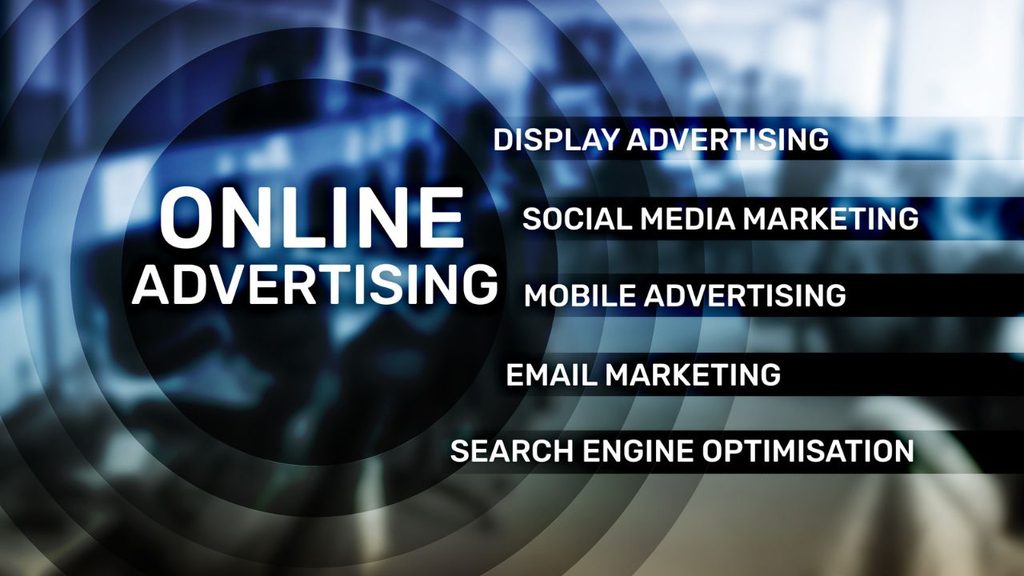
3. Marketing and Advertising Are Becoming More Personalized
Digital marketing is one of the areas experiencing significant AI-driven transformation.
Businesses previously depended heavily on manual research, audience segmentation, content creation, and campaign optimization. AI now supports many of these activities.
Marketing teams are using AI to:
- Generate advertising copy and creative concepts.
- Analyze audience interests and behavior.
- Develop customer segments.
- Create social media content.
- Test different advertising messages.
- Analyze campaign performance.
- Identify potential customer trends.
- Recommend improvements to marketing strategies.
For example, an eCommerce business can analyze customer browsing behavior and purchase history to recommend relevant products.
Similarly, advertising platforms can use machine learning to optimize campaign delivery and identify audiences that are more likely to respond to an advertisement.
AI-generated marketing content also helps smaller businesses maintain a consistent publishing schedule without requiring large creative teams.
However, personalization must respect customer privacy, consent, and applicable data protection requirements.
Why it matters: Businesses can create more relevant marketing experiences while improving how they allocate advertising budgets.

4. Customer Service Is Becoming Available Around the Clock
Customer expectations are changing. People increasingly expect businesses to provide quick answers regardless of the time or day.
AI-powered customer service systems are helping organizations meet these expectations.
Modern conversational AI can:
- Answer frequently asked questions.
- Explain products and services.
- Provide order information.
- Help customers navigate websites.
- Collect customer requirements.
- Route complicated requests to human representatives.
- Provide multilingual assistance.
For example, a hosting company can deploy an AI assistant to answer questions about domain registration, hosting packages, website migration, and billing procedures.
A hotel can use conversational AI to respond to common inquiries about room availability, facilities, check-in policies, and reservations.
However, AI should not replace human assistance in situations involving complaints, sensitive information, complex decisions, or unusual customer requirements.
The most effective customer service strategy combines automated assistance with accessible human support.
Why it matters: AI can improve response times, support customers outside traditional working hours, and reduce pressure on customer service teams.
5. Data Analytics Is Improving Business Decision-Making
Businesses generate enormous amounts of information every day.
Sales transactions, customer interactions, website traffic, advertising performance, inventory records, and financial reports all contain valuable insights.
AI helps organizations turn this information into more useful business intelligence.
Instead of manually reviewing thousands of records, managers can use AI-powered analytics tools to:
- Identify sales patterns.
- Forecast customer demand.
- Monitor business performance.
- Discover operational inefficiencies.
- Analyze customer behavior.
- Estimate inventory requirements.
- Identify unusual financial transactions.
- Generate understandable business reports.
For example, a retail business can analyze previous sales, seasonal trends, and inventory levels to estimate which products may experience higher demand.
Similarly, a digital marketing agency can examine campaign data to identify which channels generate the strongest engagement and conversions.
AI does not guarantee accurate predictions. Results depend on data quality, assumptions, and the suitability of the analytical model.
Why it matters: Business leaders can make more informed decisions by combining human experience with data-driven insights.
6. AI Is Transforming Financial Management
Financial management is another important area where artificial intelligence is creating new opportunities.
Businesses can use AI to support accounting, expense monitoring, financial forecasting, fraud detection, and reporting.
Some practical applications include:
- Automatically categorizing business expenses.
- Extracting information from invoices.
- Detecting unusual transactions.
- Forecasting cash flow.
- Monitoring financial performance.
- Supporting budget preparation.
- Identifying payment irregularities.
- Organizing financial documentation.
For example, a small business can use AI-powered accounting software to organize invoices and generate financial summaries.
Financial institutions can also use machine learning to identify potentially fraudulent transactions by recognizing unusual patterns.
However, AI-generated financial information should be reviewed before important accounting, tax, lending, or investment decisions are made.
Businesses must also protect financial records and comply with relevant security and regulatory requirements.
Why it matters: AI can reduce administrative workloads and help businesses gain better visibility into their financial operations.
7. Human Resources and Recruitment Are Becoming More Efficient
Recruitment and employee management involve numerous administrative activities.
AI is helping HR departments organize these processes and provide better workforce support.
Businesses can use AI to:
- Draft job descriptions.
- Organize recruitment documents.
- Schedule interviews.
- Answer employee questions.
- Develop training materials.
- Identify workforce skill gaps.
- Support employee learning.
- Analyze workforce trends.
For example, an HR department can use an AI assistant to answer common questions about company policies, leave procedures, employee benefits, and internal processes.
AI-powered learning platforms can also recommend training resources based on employees’ roles and development goals.
Nevertheless, recruitment decisions require careful human judgment. Automated systems can produce biased results if trained on unsuitable or unrepresentative data.
Companies should maintain transparency and ensure that hiring and employee evaluation decisions are fair.
Why it matters: HR teams can spend less time on repetitive administration and more time developing employees and improving workplace culture.
8. Software Development and IT Operations Are Accelerating
Artificial intelligence is changing how software products are designed, developed, tested, and maintained.
AI coding assistants can help developers:
- Generate programming code.
- Explain complex functions.
- Identify potential bugs.
- Write software documentation.
- Create test cases.
- Suggest code improvements.
- Understand unfamiliar codebases.
- Assist with debugging.
For startups and small technology companies, these capabilities can help accelerate development workflows.
AI is also being applied to IT operations through intelligent monitoring, automated incident analysis, security alerts, and infrastructure management.
However, AI-generated code is not automatically secure or correct. Developers must review code, test functionality, check dependencies, and follow established security practices.
Companies should also avoid exposing confidential source code, credentials, or customer information to unapproved AI services.
Why it matters: AI can help software teams work faster while allowing developers to focus more on architecture, product quality, and complex technical challenges.
9. Supply Chains and Inventory Management Are Becoming Smarter
Supply chain management involves coordinating suppliers, manufacturers, warehouses, transportation, and customers.
Even small disruptions can affect product availability, delivery schedules, and operational costs.
AI helps businesses analyze supply chain information and identify potential problems earlier.
Common applications include:
- Demand forecasting.
- Inventory optimization.
- Delivery route planning.
- Supplier performance analysis.
- Warehouse automation.
- Predictive equipment maintenance.
- Shipment monitoring.
- Risk identification.
For example, a distribution company can analyze historical orders and seasonal purchasing patterns to estimate future inventory requirements.
Manufacturers can use predictive maintenance systems to identify unusual equipment behavior before a major failure occurs.
AI-powered robotics and computer vision are also improving warehouse operations and industrial quality inspection.
Why it matters: Smarter supply chain systems can help companies reduce waste, improve product availability, and respond more effectively to changing market conditions.
10. AI Is Creating New Business Models and Revenue Opportunities
Perhaps the most significant transformation is not simply how businesses perform existing activities, but how they create entirely new products and services.
AI is enabling entrepreneurs and established organizations to explore business models that were previously expensive or difficult to develop.
Examples include:
- AI-powered software subscriptions.
- Personalized digital learning platforms.
- Automated marketing services.
- Intelligent business consulting tools.
- AI-driven customer support solutions.
- Predictive analytics services.
- Automated content production platforms.
- Industry-specific AI assistants.
A small business can now develop specialized digital services using AI APIs, cloud platforms, and existing software infrastructure.
For example, an entrepreneur could create an AI-powered platform that helps real estate businesses organize property inquiries, generate listing descriptions, and respond to customer questions.
Another opportunity is developing specialized AI solutions for healthcare administration, education, hospitality, retail, and logistics, subject to industry-specific requirements.
The strongest opportunities will come from solving genuine customer problems rather than simply adding AI features to existing products.
Why it matters: AI is lowering some barriers to innovation and allowing businesses to explore new sources of revenue.
Industries Experiencing Major AI Transformation in 2026
AI is not limited to the technology industry. Its influence is spreading across different sectors of the global economy.
Here are some industries where AI is creating significant opportunities.
| Industry | Major AI Applications |
|---|---|
| Healthcare | Medical imaging support, administrative automation, research |
| Finance | Fraud detection, risk analysis, customer support |
| Retail | Personalized recommendations, demand forecasting |
| Education | Personalized learning, AI tutoring, administration |
| Manufacturing | Robotics, quality inspection, predictive maintenance |
| Travel and Hospitality | Travel planning, customer assistance, revenue forecasting |
| Real Estate | Property analysis, lead management, virtual assistance |
| Marketing | Content generation, audience analysis, campaign optimization |
| Logistics | Route optimization, inventory forecasting, shipment tracking |
| Information Technology | Coding assistance, cybersecurity, IT automation |
The pace of adoption varies between industries because of differences in regulation, available data, infrastructure, and the complexity of business operations.
How Small Businesses Can Benefit From AI in 2026
Artificial intelligence is no longer exclusively accessible to organizations with large technology budgets.
Small businesses can use affordable AI tools to improve their operations and compete more effectively.
Here are five practical ways to get started.
1. Start With Repetitive Business Tasks
Identify activities that consume employees’ time without requiring significant human judgment.
Examples include scheduling, document organization, routine email drafting, and frequently asked questions.
Start by automating one process and measure the results.
2. Improve Digital Marketing
Use AI to research content topics, generate initial marketing drafts, develop creative concepts, and analyze campaign performance.
Human review remains essential for accuracy, originality, and brand consistency.
3. Introduce AI-Powered Customer Support
Consider implementing an AI assistant on your website or communication channels.
Train it using approved business information, product details, pricing, and customer service policies.
Provide an option to connect with a human representative.
4. Use AI for Business Reporting
Connect appropriate business data sources to analytical tools to understand sales performance, customer trends, and operational costs.
Ensure that the information is accurate and access permissions are properly configured.
5. Train Employees to Work With AI
AI adoption is not only a technology investment. It is also a workforce development strategy.
Help employees understand how to use AI tools responsibly, verify generated information, and identify tasks where automation can improve productivity.
The Challenges and Risks of Using AI in Business
Although artificial intelligence creates substantial opportunities, adopting it without a clear strategy can introduce new risks.
Businesses should understand the following challenges.
Data Privacy and Security
AI systems may process confidential business information, customer records, employee details, and financial data.
Companies must establish clear rules regarding what information employees can share with AI platforms.
Accuracy and Reliability
AI systems can generate incorrect answers, misleading information, or fabricated details.
Important outputs should be reviewed, particularly in finance, legal matters, healthcare, and customer-facing communications.
Implementation Costs
Some AI tools require subscription fees, API usage charges, infrastructure investments, employee training, and ongoing maintenance.
Businesses should calculate the total cost of ownership before adopting expensive systems.
Workforce Adaptation
AI may change existing job responsibilities and reduce demand for certain repetitive tasks.
Organizations should invest in training and help employees develop skills that complement AI technology.
Ethical and Regulatory Responsibilities
Businesses must consider data protection, intellectual property, transparency, discrimination, and applicable AI regulations.
Human oversight should remain part of important business decisions.
The Future of AI in Business: What Can We Expect Beyond 2026?
The next stage of artificial intelligence will likely involve deeper integration into business infrastructure.
Several developments are worth watching.
More Autonomous AI Agents: AI systems will increasingly coordinate workflows across different business applications, although the level of autonomy will depend on reliability, permissions, and organizational controls.
Human-AI Collaboration: Employees will work alongside AI systems to improve productivity, creativity, research, and decision-making.
Industry-Specific AI Solutions: Businesses will increasingly adopt specialized AI systems designed for particular industries and operational requirements.
AI-Powered Robotics: Manufacturing, logistics, agriculture, and other physical industries will continue exploring intelligent robotics and automation.
More Focus on AI Governance: Companies will need stronger systems for monitoring AI performance, protecting information, managing risks, and ensuring accountability.
New Skills and Career Opportunities: AI-related roles, data literacy, automation expertise, and human-AI collaboration skills will become increasingly important.
The future will not simply belong to companies that use the most AI tools. It will favor organizations that know how to integrate AI into meaningful business processes.
Final Thoughts: AI Is Becoming a Competitive Advantage for Businesses
Artificial intelligence is reshaping the business world in 2026 by changing how companies operate, communicate with customers, analyze information, and develop new products and services.
From intelligent automation and AI agents to personalized marketing and predictive analytics, businesses now have access to capabilities that were previously difficult or expensive to implement.
However, successful AI adoption requires more than purchasing subscriptions or experimenting with popular tools.
Businesses need clear objectives, reliable data, employee training, appropriate security measures, and human oversight.
For small businesses and startups, the opportunity is particularly important. AI can help smaller teams perform tasks more efficiently, improve customer experiences, and explore new revenue opportunities.
The companies that succeed in the coming years will not necessarily be those that replace the most human work with machines. They will be those that combine artificial intelligence with human creativity, experience, and strategic thinking.
AI is no longer just changing how businesses work. It is changing what businesses can achieve.
The question for business leaders in 2026 is no longer whether AI will influence their industry. It is how effectively they will adapt to it.
Frequently Asked Questions (FAQs)
1. How is AI changing businesses in 2026?
AI is transforming business operations through automation, intelligent customer service, predictive analytics, personalized marketing, software development, financial management, and AI-powered agents.
2. What are the biggest AI trends in business in 2026?
Major trends include agentic AI, generative AI, intelligent automation, AI-powered analytics, personalized customer experiences, AI-assisted software development, and business process transformation.
3. Can small businesses use AI effectively?
Yes. Small businesses can use affordable AI tools for marketing, customer support, accounting assistance, content development, workflow automation, and business analytics.
4. Will AI replace human employees?
AI may automate certain repetitive tasks and change some job responsibilities. However, human creativity, critical thinking, communication, leadership, and decision-making remain important. Many businesses are focusing on human-AI collaboration.
5. What are the best areas to implement AI in a business?
Good starting points include customer support, marketing, document processing, reporting, sales administration, and repetitive operational tasks. The best choice depends on the company’s needs and available data.
6. Is AI expensive for businesses?
Not necessarily. Many businesses can start with affordable subscription-based tools and expand their investment as they identify measurable benefits. Advanced AI infrastructure and custom solutions can involve significantly higher costs.
7. What skills will businesses need in an AI-powered future?
Important skills include AI literacy, data analysis, critical thinking, cybersecurity awareness, automation management, problem-solving, communication, and the ability to evaluate AI-generated information.
Sources and Further Reading
OECD – Empowering SMEs in the Age of AI: https://www.oecd.org/content/dam/oecd/en/publications/reports/2026/04/empowering-smes-in-the-age-of-ai_7f58652c/bf5a9816-en.pdf
Stanford University – 2026 AI Index Report: https://hai.stanford.edu/ai-index/2026-ai-index-report
McKinsey – The State of AI in 2026: https://www.mckinsey.com/capabilities/quantumblack/our-insights/the-state-of-ai
Deloitte – The State of AI in the Enterprise: https://www.deloitte.com/us/en/what-we-do/capabilities/applied-artificial-intelligence/content/state-of-ai-in-the-enterprise.html
What do you feel about this post?

Like

Love

Happy

Haha

Sad
