

Top 10 Experiential Travel Trends in 2026: Discover a New Way to Explore the World
Travel is no longer just about visiting famous landmarks, taking photographs, or checking destinations off a bucket list. In 2026, travelers are increasingly looking for meaningful experiences that connect them with local cultures, nature, personal interests, and unforgettable memories.
From immersive cultural activities and wellness retreats to adventure tourism and personalized journeys, experiential travel is transforming the global tourism industry.
According to Tripadvisor’s 2026 Trendcast, travelers are increasingly planning trips around activities, experiences, and connections rather than destinations alone. Similarly, Expedia’s Unpack ’26 report highlights emerging interests in slow travel, farm stays, literary retreats, and sports-related journeys.
Whether you are an adventurous explorer, a cultural enthusiast, a digital nomad, or someone seeking relaxation, the following trends reveal how travel is evolving in 2026.
What Is Experiential Travel?
Experiential travel is a style of tourism that focuses on actively participating in meaningful activities rather than simply observing destinations.
Instead of spending an entire vacation sightseeing, experiential travelers immerse themselves in local traditions, learn new skills, interact with communities, and explore destinations through authentic experiences.
Examples include:
- Learning traditional cooking from local chefs.
- Staying with families in rural communities.
- Participating in cultural festivals.
- Exploring mountains with local guides.
- Practicing yoga in peaceful natural surroundings.
- Discovering destinations through food, art, and storytelling.
The primary objective is to create meaningful memories while developing a deeper understanding of the places visited.
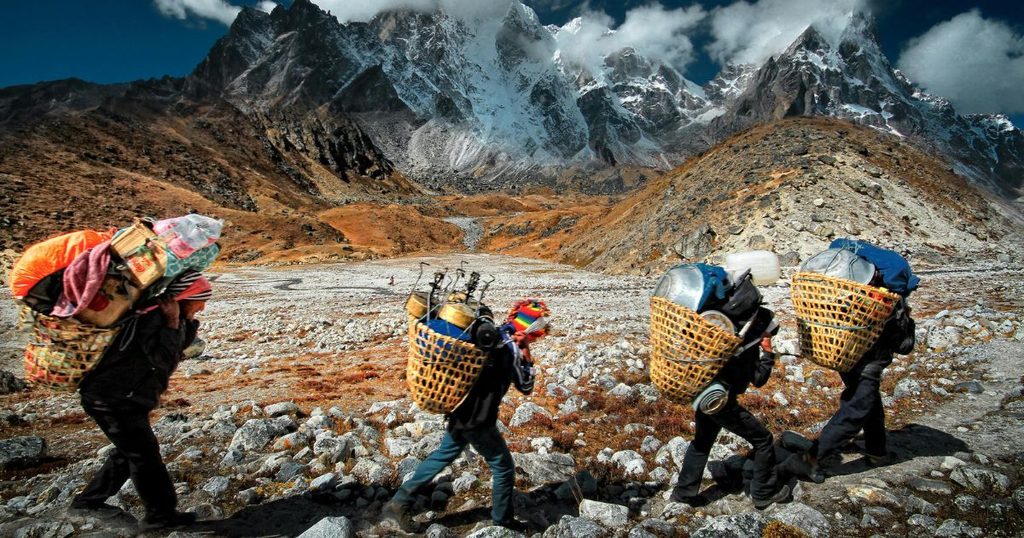
Top 10 Experiential Travel Trends in 2026
1. Immersive Cultural Experiences and Authentic Local Connections
One of the most important experiential travel trends in 2026 is the growing desire to experience destinations through their local cultures and traditions.
Travelers increasingly want to understand how people live, work, celebrate, and preserve their heritage.
Rather than visiting a destination only for its famous attractions, tourists are seeking opportunities to participate in authentic cultural experiences.
These experiences may include traditional cooking classes, local handicraft workshops, village homestays, cultural festivals, and guided historical tours.
For example, visitors to Nepal can participate in traditional cooking workshops, explore ancient temples with local guides, experience village life, or attend cultural celebrations.
Similarly, travelers visiting Japan might participate in tea ceremonies, learn traditional crafts, or stay in a ryokan to experience Japanese hospitality.
Why this trend matters:
Authentic cultural tourism allows travelers to develop deeper connections with local communities while supporting traditional businesses and cultural preservation.
For tourism providers, offering culturally immersive activities can create distinctive experiences that differentiate their services from conventional travel packages.
2. Adventure Travel and Extraordinary Experiences
Adventure tourism continues to attract travelers seeking excitement, personal challenges, and extraordinary experiences.
In 2026, adventure travel extends beyond conventional activities such as hiking and sightseeing. Travelers are increasingly exploring experiences that challenge their physical abilities, encourage personal growth, and create lasting memories.
Tripadvisor’s 2026 Trendcast highlights growing interest in extreme adventure experiences, including glacier tours, lava field excursions, and challenging outdoor activities.
Popular adventure experiences include:
- Mountain trekking and hiking.
- White-water rafting.
- Paragliding and skydiving.
- Scuba diving and snorkeling.
- Wildlife expeditions.
- Rock climbing and mountaineering.
- Cycling through remote landscapes.
Nepal remains an attractive destination for adventure tourism because of its Himalayan landscapes, trekking routes, rivers, and opportunities for outdoor exploration.
Travelers can explore the Annapurna region, trek to Everest Base Camp, experience rafting in Nepalese rivers, or enjoy paragliding in Pokhara.
However, adventure tourism requires proper preparation, trained guides, suitable equipment, and attention to safety.
The growing popularity of adventure travel creates opportunities for destinations to develop responsible tourism products that combine excitement with environmental protection.
3. Wellness Tourism and Mindful Travel
Modern lifestyles are increasingly demanding, and many travelers are seeking vacations that help them relax, recharge, and improve their overall wellbeing.
Wellness tourism is becoming an important part of experiential travel in 2026.
Instead of spending vacations entirely on entertainment or sightseeing, travelers are incorporating activities that support physical relaxation, mental clarity, and emotional wellbeing.
Popular wellness travel experiences include:
- Yoga and meditation retreats.
- Spa and wellness resorts.
- Nature-based relaxation.
- Mindfulness workshops.
- Healthy culinary experiences.
- Digital detox retreats.
- Hot springs and thermal bathing.
Wellness travel can be especially attractive to professionals, entrepreneurs, and individuals seeking a break from busy schedules.
Destinations with peaceful environments, natural landscapes, and wellness facilities are well-positioned to attract this growing market.
Nepal offers opportunities for wellness tourism through yoga retreats in the Kathmandu Valley, meditation experiences in peaceful monasteries, and nature-based retreats around Pokhara.
The future of wellness travel is not simply about relaxation. It is about returning home feeling refreshed, balanced, and inspired.
4. Slow Travel and Meaningful Exploration
Slow travel is becoming increasingly popular among people who want to experience destinations at a more relaxed pace.
Instead of visiting multiple cities within a few days, travelers are choosing longer stays in fewer destinations.
This approach allows visitors to understand local lifestyles, explore neighborhoods, build relationships, and discover places beyond conventional tourist attractions.
Slow travel may involve:
- Staying several days or weeks in one destination.
- Exploring local neighborhoods on foot.
- Using trains, bicycles, or public transportation.
- Visiting small villages and rural communities.
- Supporting independent businesses.
- Enjoying local food and everyday cultural activities.
Expedia’s 2026 travel trend report highlights interest in slower-paced destinations and farm stays, reflecting the appeal of less hurried travel.
Slow travel can also help travelers reduce the stress associated with tightly packed itineraries.
For tourism businesses, this trend creates opportunities to offer extended-stay packages, cultural immersion programs, and local experiences that encourage visitors to spend more time within a destination.
5. Food Tourism and Culinary Experiences
Food is becoming one of the most powerful ways to understand a destination.
In 2026, culinary tourism is evolving beyond restaurant visits and traditional food tasting. Travelers are increasingly interested in discovering the stories, traditions, and ingredients behind local cuisine.
Food-focused travel experiences may include:
- Cooking classes with local chefs.
- Traditional food preparation workshops.
- Street food tours.
- Visits to farms and local markets.
- Wine and regional beverage experiences where appropriate.
- Culinary festivals.
- Farm-to-table dining experiences.
For example, travelers visiting Nepal can explore traditional dishes such as momo, dal bhat, sel roti, and regional cuisines while learning about their cultural significance.
In Thailand, visitors may participate in Thai cooking classes and explore local markets. In Italy, culinary travelers can discover regional pasta-making traditions and local food producers.
Food tourism creates a meaningful connection between visitors and local communities.
It also benefits restaurants, farmers, food producers, guides, and small businesses.
For travelers, culinary experiences offer something beyond sightseeing: the opportunity to understand a destination through its flavors.
6. Sustainable and Regenerative Travel
Sustainability is becoming an increasingly important consideration in tourism.
In 2026, many travelers are paying closer attention to how their journeys affect the environment and local communities.
Sustainable tourism aims to reduce negative environmental impacts while supporting local economies and protecting cultural heritage.
Regenerative travel takes this concept further by seeking opportunities to contribute positively to the destinations travelers visit.
Examples include:
- Supporting locally owned accommodations.
- Participating in responsible wildlife tourism.
- Choosing environmentally conscious transportation.
- Purchasing products from local artisans.
- Supporting community-led tourism initiatives.
- Participating in conservation activities.
- Respecting local traditions and ecosystems.
For instance, travelers visiting Nepal can support community-based homestays, local trekking guides, conservation initiatives, and locally operated tourism businesses.
Responsible travel also involves avoiding activities that harm wildlife, damage fragile ecosystems, or exploit local communities.
The goal is to ensure that tourism benefits destinations rather than simply consuming their natural and cultural resources.
7. Personalized Travel Experiences Powered by Artificial Intelligence
Technology is transforming how people discover, plan, and experience travel.
Artificial intelligence is becoming increasingly useful for creating personalized itineraries based on travelers’ preferences, budgets, interests, and available time.
In 2026, AI-powered travel planning can help travelers:
- Discover destinations based on personal interests.
- Build customized itineraries.
- Compare accommodations and activities.
- Find attractions that match their preferences.
- Organize travel schedules.
- Translate languages.
- Discover local experiences.
For example, a traveler interested in photography, mountain landscapes, and cultural experiences could use AI to develop a customized itinerary combining scenic destinations, cultural activities, and photography opportunities.
Travel companies can also use technology to recommend personalized experiences and improve customer service.
However, technology should complement rather than replace genuine human interactions.
Local guides, cultural experts, and hospitality professionals remain essential for providing authentic experiences that technology cannot fully reproduce.
The most effective travel experiences combine digital convenience with meaningful human connection.
8. Nostalgia Travel and Memory-Based Journeys
Nostalgia is becoming an influential motivation behind travel decisions.
Many travelers are exploring destinations connected to childhood memories, family traditions, historical periods, favorite films, or meaningful personal experiences.
Nostalgia travel allows people to reconnect with the past while creating new memories.
Popular examples include:
- Revisiting childhood vacation destinations.
- Exploring historic towns and heritage sites.
- Visiting locations featured in movies and television shows.
- Staying in traditional accommodations.
- Taking family heritage trips.
- Recreating meaningful journeys with loved ones.
This trend can appeal to different generations.
Older travelers may want to revisit destinations associated with their past, while younger travelers may discover historical experiences through popular culture.
Expedia’s 2026 travel trends also identify screen-inspired journeys and literary-themed retreats as notable travel interests.
Nostalgia tourism demonstrates that destinations are not always chosen for their novelty. Sometimes, travelers are motivated by familiarity, emotional attachment, and personal meaning.
9. Sports, Fitness, and Active Lifestyle Travel
Sports and fitness are becoming important motivations for travel.
Rather than simply watching sporting events from home, travelers are increasingly planning vacations around athletic activities, competitions, outdoor challenges, and fitness experiences.
This trend includes:
- Running marathons in international destinations.
- Cycling tours.
- Hiking and trekking challenges.
- Skiing and snowboarding.
- Attending major sporting events.
- Participating in fitness retreats.
- Exploring destinations through outdoor sports.
Tripadvisor’s 2026 Trendcast highlights sports-related travel and fitness-focused journeys, including trips built around marathons and other athletic experiences.
Sports tourism combines physical activity with exploration.
For example, a traveler might visit a destination to participate in a marathon while also discovering its food, culture, and historical attractions.
Nepal offers considerable potential for active tourism through trekking, trail running, mountain biking, rafting, and other outdoor activities.
This trend encourages destinations to develop experiences that appeal to travelers who prioritize fitness, adventure, and personal achievement.
10. Off-the-Beaten-Path Destinations and Hidden Experiences
Travelers are increasingly interested in discovering destinations beyond traditional tourist hotspots.
Instead of visiting only heavily promoted attractions, many people are searching for quieter locations, lesser-known communities, and unique experiences.
This trend is driven by a desire for authenticity, discovery, and less crowded environments.
Off-the-beaten-path travel may include:
- Exploring small towns and rural villages.
- Visiting lesser-known natural attractions.
- Discovering regional cultural traditions.
- Staying in locally operated accommodations.
- Exploring emerging tourism destinations.
- Participating in community-led activities.
Nepal offers numerous opportunities for this type of travel beyond its most famous destinations.
Travelers can explore lesser-known villages, regional cultural experiences, remote landscapes, and community-based tourism opportunities.
However, responsible exploration is essential. Tourism development should respect local communities, environmental limitations, and cultural traditions.
Hidden destinations should not become overcrowded simply because they become popular online.
The future of off-the-beaten-path travel depends on balancing discovery with responsible tourism management.
How Experiential Travel Is Transforming the Tourism Industry
Experiential travel is changing the way tourism businesses develop products, communicate with customers, and create value.
Traditional tourism often focused on destinations, transportation, accommodations, and sightseeing.
Experiential tourism places greater emphasis on the activities, emotions, and memories travelers associate with their journeys.
This transformation is influencing several areas of the tourism industry.
1. Tourism Businesses Are Creating More Personalized Packages
Travel agencies and tour operators are increasingly developing packages around specific interests.
Examples include culinary tours, wellness retreats, cultural immersion programs, adventure holidays, and photography trips.
2. Local Communities Are Becoming More Important
Travelers increasingly value authentic experiences delivered by local people.
This creates opportunities for local guides, artisans, farmers, restaurants, homestays, and community tourism organizations.
3. Digital Marketing Is Becoming Experience-Focused
Tourism businesses are using video marketing, storytelling, social media, and immersive content to demonstrate what travelers can actually experience.
Instead of promoting only hotel rooms or destinations, successful campaigns increasingly showcase the emotional and practical value of the experience.
4. Tourism Destinations Are Developing Niche Markets
Destinations are creating tourism products for specific audiences, including adventure enthusiasts, wellness travelers, food lovers, digital nomads, and cultural explorers.
This allows tourism businesses to reach customers with more focused marketing strategies.
How to Plan an Experiential Travel Adventure in 2026
If you want to make your next vacation more meaningful, consider the following practical steps.
Step 1: Identify your travel interests
Think about what you want from your journey. Are you interested in adventure, culture, wellness, food, nature, or personal development?
Step 2: Choose experiences before destinations
Instead of selecting a destination first, identify the experiences you want to enjoy.
For example, if you want to learn traditional cooking, explore destinations known for their culinary traditions.
Step 3: Research local communities and activities
Look for locally operated tours, cultural workshops, community homestays, and authentic experiences.
Step 4: Allow flexibility in your itinerary
Avoid planning every hour of your vacation. Leave room for spontaneous discoveries and unexpected opportunities.
Step 5: Travel responsibly
Respect local customs, support local businesses, protect natural environments, and choose responsible tourism providers.
Step 6: Focus on meaningful memories
Take time to enjoy the experience itself rather than concentrating entirely on photographs or social media content.
The Future of Experiential Travel
The future of travel is increasingly connected to personal interests, emotional wellbeing, authentic experiences, and meaningful relationships.
Travelers are discovering that the most memorable journeys are not necessarily the most expensive or luxurious ones.
A simple cooking lesson with a local family, a peaceful walk through a mountain village, or a meaningful conversation with a local guide can create memories that last a lifetime.
As technology continues to transform travel planning, authentic human experiences will remain an essential part of tourism.
Destinations and tourism businesses that understand these changing expectations will be better positioned to attract travelers seeking meaningful adventures.
Conclusion
The top 10 experiential travel trends in 2026 demonstrate that tourism is moving beyond conventional sightseeing toward deeper, more personalized, and more meaningful experiences.
From cultural immersion and adventure tourism to wellness retreats, sustainable travel, culinary exploration, and AI-powered personalization, travelers are increasingly choosing journeys that reflect their interests and values.
For travelers, this shift offers exciting opportunities to explore the world in new ways.
For tourism businesses, it creates opportunities to develop innovative experiences, strengthen local partnerships, and build lasting relationships with customers.
Ultimately, experiential travel is about more than visiting a destination. It is about discovering new perspectives, connecting with people, learning something meaningful, and creating memories that remain long after the journey ends.
The best journey is not simply the one that takes you somewhere new, but the one that leaves you with something unforgettable.
Frequently Asked Questions (FAQs)
What is experiential travel?
Experiential travel is a form of tourism focused on participating in meaningful activities, connecting with local communities, and experiencing destinations beyond conventional sightseeing.
What are the biggest experiential travel trends in 2026?
Major trends include cultural immersion, adventure tourism, wellness travel, slow travel, culinary tourism, sustainable tourism, AI-powered personalization, nostalgia travel, sports tourism, and off-the-beaten-path exploration.
Why is experiential travel becoming popular?
Travelers increasingly want authentic experiences, personal connections, cultural understanding, and meaningful memories rather than simply visiting famous attractions.
Is experiential travel suitable for budget travelers?
Yes. Experiential travel can include affordable activities such as local food tours, village walks, cultural festivals, public transportation, and community-based experiences.
How can tourism businesses benefit from experiential travel?
Tourism businesses can develop specialized packages, partner with local communities, create authentic experiences, and use experience-focused marketing to attract customers.
Is experiential travel sustainable?
Experiential travel can support sustainable tourism when it prioritizes environmental protection, respects local communities, and benefits local economies. Responsible planning is essential to minimize negative impacts.
What do you feel about this post?

Like

Love

Happy

Haha

Sad
