
Top 10 Fashion Trends Defining 2026: The Future of Style Is Here
Introduction
Fashion is constantly evolving, reflecting cultural shifts, technological innovations, sustainability concerns, and changing consumer preferences. As we move through 2026, the fashion industry is embracing a new era characterized by individuality, eco-consciousness, digital integration, and a blend of futuristic and nostalgic influences.
From AI-assisted fashion design to sustainable materials and gender-fluid clothing, today’s trends are reshaping how people express themselves through style. Consumers are no longer simply following fashion; they are actively participating in creating personalized wardrobes that align with their values and lifestyles.
In this article, we’ll explore the top 10 fashion trends defining 2026 and examine how these trends are influencing designers, retailers, and consumers worldwide.
Why Fashion Trends Matter in 2026
Fashion trends are more than temporary styles. They often reflect broader social, technological, and economic developments.
In 2026, fashion trends are driven by:
- Sustainability and environmental awareness
- Digital innovation and artificial intelligence
- Comfort and functionality
- Individual expression
- Inclusive design
- Circular fashion models
Understanding these trends helps consumers make informed purchasing decisions while enabling brands to stay competitive in a rapidly changing market.

1. Sustainable Fashion Becomes the Standard
Sustainability is no longer a niche movement—it’s becoming the industry standard.
Consumers increasingly prioritize:
- Organic fabrics
- Recycled materials
- Ethical manufacturing
- Transparent supply chains
- Durable clothing
Brands are investing heavily in environmentally responsible production methods to meet growing demand for sustainable fashion.
Popular Sustainable Materials
- Organic Cotton
- Hemp
- Linen
- TENCEL™ Lyocell
- Recycled Polyester
- Recycled Cotton
Fashion companies that fail to embrace sustainability risk losing relevance among environmentally conscious consumers.

2. AI-Driven Fashion Design
Artificial Intelligence is revolutionizing how clothing is designed and produced.
AI tools now help brands:
- Predict fashion trends
- Generate design concepts
- Analyze customer preferences
- Optimize inventory planning
- Personalize shopping experiences
Designers are using AI as a creative partner, enabling faster innovation while reducing production waste.
As AI technology continues advancing, its influence on fashion design will only grow stronger.
3. Quiet Luxury Continues to Dominate
Quiet luxury remains one of the most influential fashion movements of 2026.
Unlike logo-heavy fashion, quiet luxury emphasizes:
- Premium fabrics
- Exceptional craftsmanship
- Timeless silhouettes
- Minimal branding
- Understated elegance
Consumers are increasingly investing in versatile, high-quality pieces that offer longevity rather than chasing short-lived trends.
Key Quiet Luxury Pieces
- Tailored blazers
- Cashmere knitwear
- Structured handbags
- Neutral-colored coats
- High-quality basics
The focus is on sophistication rather than flashy branding.

4. Gender-Fluid Fashion Gains Momentum
Traditional fashion categories are becoming less relevant as consumers embrace greater freedom in self-expression.
Gender-fluid fashion features:
- Inclusive sizing
- Unisex designs
- Neutral color palettes
- Flexible silhouettes
- Individual styling choices
Many designers now create collections that prioritize personal identity over traditional gender norms.
This trend reflects broader cultural movements toward inclusivity and diversity.

5. Tech-Integrated Clothing
Wearable technology is becoming increasingly sophisticated and fashionable.
Smart clothing innovations include:
- Fitness-tracking garments
- Temperature-regulating fabrics
- Health-monitoring apparel
- UV-protection textiles
- Performance-enhancing sportswear
Consumers want clothing that provides functionality in addition to style.
The intersection of fashion and technology is expected to expand significantly throughout the decade.
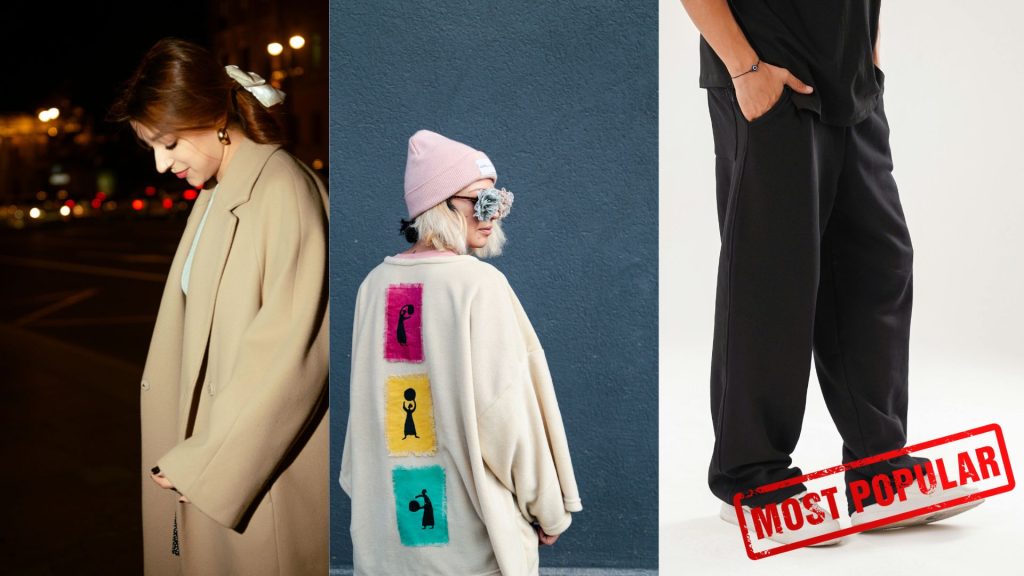
6. Oversized Silhouettes Remain Popular
Comfort-driven fashion continues influencing design trends.
Oversized styles remain popular across:
- Blazers
- Trousers
- Hoodies
- Shirts
- Outerwear
These relaxed silhouettes provide:
- Greater comfort
- Versatile styling options
- Modern aesthetics
- Gender-neutral appeal
The trend reflects consumers’ desire for practicality without sacrificing style.
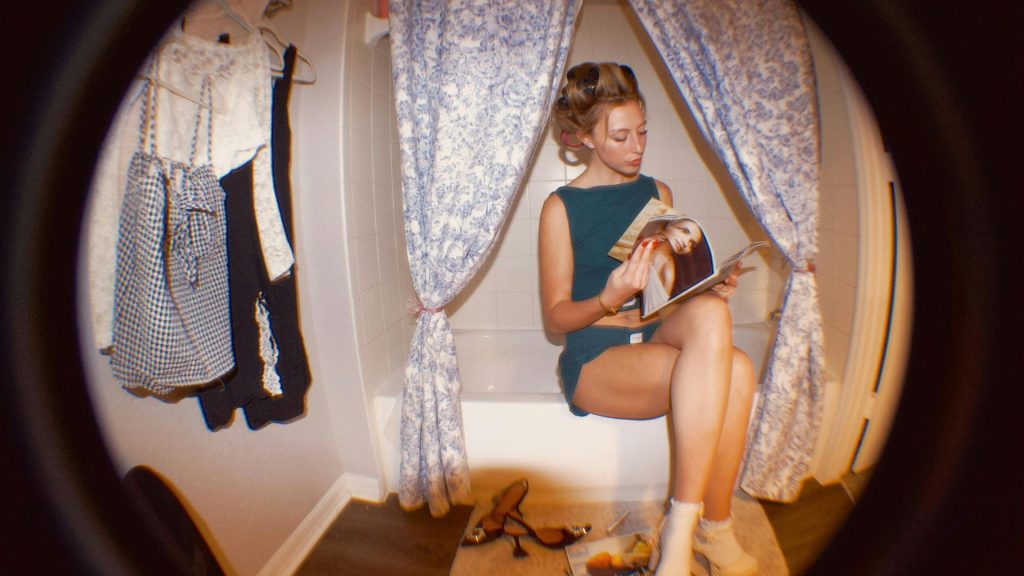
7. Vintage and Retro Revival
Fashion continues drawing inspiration from previous decades.
In 2026, influences include:
1990s Minimalism
- Slip dresses
- Straight-leg jeans
- Simple tailoring
Early 2000s Aesthetics
- Cargo pants
- Metallic accents
- Sporty details
1970s Inspiration
- Wide-leg trousers
- Earth-tone palettes
- Statement outerwear
Vintage shopping and second-hand fashion are further fueling this trend.

8. Bold Colors and Statement Pieces
While minimalism remains popular, bold fashion is making a strong comeback.
Trending colors include:
- Electric blue
- Vibrant orange
- Emerald green
- Digital lavender
- Bright yellow
Statement fashion elements include:
- Dramatic sleeves
- Oversized accessories
- Unique textures
- Artistic prints
Consumers are increasingly using fashion as a form of personal expression.
9. Circular Fashion and Clothing Resale
The rise of circular fashion is transforming the fashion economy.
Consumers are embracing:
- Clothing resale
- Rental fashion
- Upcycled garments
- Repair services
- Clothing exchanges
Benefits include:
- Reduced textile waste
- Lower environmental impact
- Affordable luxury access
- Extended garment lifespan
Fashion brands are creating programs that encourage customers to return, repair, or resell products.
10. Personalization and Custom Fashion
Mass-produced fashion is gradually giving way to personalized experiences.
Consumers now expect:
- Custom sizing
- Personalized recommendations
- Made-to-order garments
- Customized designs
- AI-generated style suggestions
Advancements in digital technology allow brands to create highly individualized products while maintaining efficiency.
Personalization is becoming a key competitive advantage in the fashion industry.
The Role of Social Media in Fashion Trends
Social media continues shaping fashion choices globally.
Platforms influence:
- Trend discovery
- Brand awareness
- Shopping decisions
- Style inspiration
- Consumer engagement
Creators and influencers increasingly drive purchasing behavior through authentic content and community engagement.
Fashion trends now spread faster than ever due to digital connectivity.
How Consumers Are Changing Fashion in 2026
Modern shoppers are more informed and selective than previous generations.
Consumers increasingly prioritize:
Sustainability
Supporting eco-friendly brands and responsible production.
Quality
Investing in long-lasting garments.
Transparency
Understanding how products are made.
Authenticity
Choosing brands that align with personal values.
Comfort
Preferring practical yet stylish clothing.
These evolving preferences are reshaping the future of fashion.
What Fashion Brands Can Learn from 2026 Trends
To remain competitive, brands should focus on:
- Sustainable production practices
- AI-powered innovation
- Personalized customer experiences
- Inclusive product design
- Circular business models
- Technology integration
Companies that adapt quickly to consumer expectations will be better positioned for long-term success.
The Future of Fashion Beyond 2026
Looking ahead, several emerging developments may shape the next phase of fashion:
- Digital fashion collections
- Virtual reality shopping experiences
- Advanced sustainable materials
- AI-generated designs
- On-demand manufacturing
- Smart textiles with enhanced functionality
The future of fashion will likely combine creativity, sustainability, and technology in unprecedented ways.
Conclusion
Fashion in 2026 is defined by innovation, sustainability, personalization, and inclusivity. Consumers are moving away from disposable fashion and embracing thoughtful purchasing decisions that reflect both their style and values.
From AI-powered design tools and smart clothing to circular fashion and gender-fluid collections, the industry is undergoing significant transformation. Brands that prioritize sustainability, technology, and customer-centric experiences will continue leading the market.
Whether you’re a fashion enthusiast, designer, retailer, or conscious consumer, understanding these trends can help you navigate the future of fashion with confidence.
Frequently Asked Questions (FAQs)
What are the biggest fashion trends in 2026?
The biggest trends include sustainable fashion, AI-driven design, quiet luxury, gender-fluid clothing, oversized silhouettes, and personalized fashion experiences.
Is sustainable fashion still growing in 2026?
Yes. Sustainability has become one of the most important priorities for consumers and fashion brands worldwide.
How is AI influencing fashion trends?
AI helps brands predict trends, personalize shopping experiences, optimize inventory, and assist designers in creating innovative collections.
What is quiet luxury fashion?
Quiet luxury focuses on high-quality materials, timeless design, and subtle elegance rather than visible logos or flashy branding.
Why is personalization important in fashion?
Consumers increasingly want clothing that reflects their unique preferences, making customization and personalized recommendations highly valuable.
What do you feel about this post?

Like

Love

Happy

Haha

Sad

