
How AI Is Changing Fashion Design & Retail: The Future of Style, Shopping, and Innovation
Introduction
Artificial Intelligence (AI) is revolutionizing industries worldwide, and the fashion industry is no exception. From predicting upcoming fashion trends to creating personalized shopping experiences, AI is transforming how brands design, manufacture, market, and sell fashion products.
The global fashion industry, valued at trillions of dollars, has traditionally relied on creativity, intuition, and market research. Today, AI is enhancing these processes with data-driven insights, helping designers create innovative collections while enabling retailers to better understand consumer preferences.
In this article, we’ll explore how AI is changing fashion design and retail, the benefits it brings to businesses and consumers, and what the future of AI-powered fashion looks like.
AI in Fashion
What Is AI in Fashion?
Artificial Intelligence in fashion refers to the use of machine learning, computer vision, predictive analytics, and automation technologies to improve various aspects of the fashion business.
AI can analyze massive amounts of data from social media, online searches, purchasing patterns, customer reviews, and market trends to help brands make smarter decisions.
Applications of AI in fashion include:
- Fashion trend forecasting
- AI-powered design assistance
- Personalized recommendations
- Virtual fitting rooms
- Inventory management
- Dynamic pricing
- Customer service automation
- Visual search technology
As AI technology becomes more advanced, its role in fashion continues to expand.
AI-Powered Fashion Design
1. Faster Trend Forecasting
One of the biggest challenges in fashion is predicting what consumers will want next season.
AI analyzes:
- Social media trends
- Influencer content
- Online searches
- Consumer purchasing behavior
- Fashion show data
By processing millions of data points, AI can identify emerging trends months before they become mainstream.
This allows fashion brands to:
- Reduce guesswork
- Launch products faster
- Improve demand forecasting
- Minimize unsold inventory
Major fashion companies are increasingly relying on AI-driven trend forecasting tools to stay competitive.
2. AI-Assisted Clothing Design
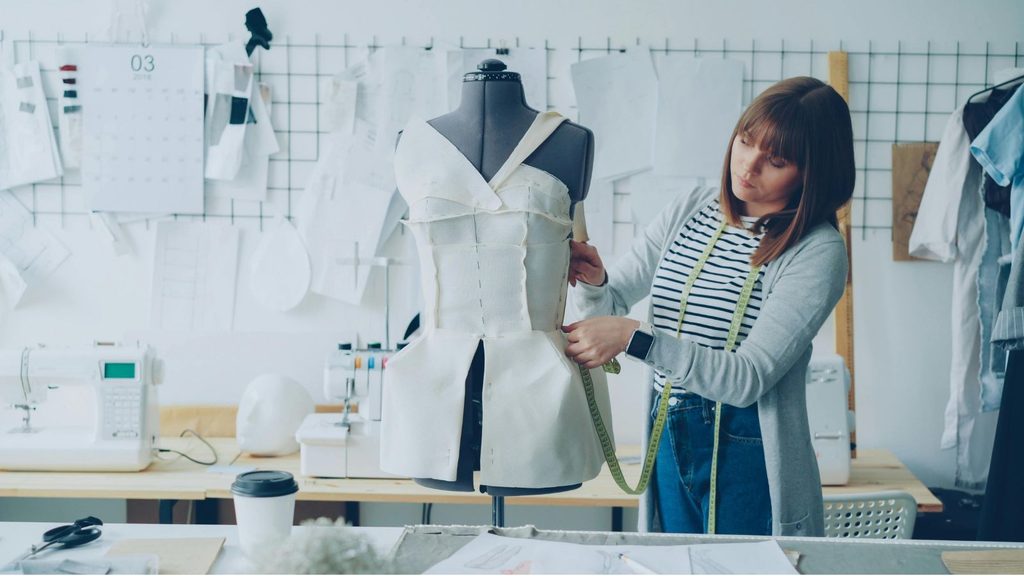
Fashion designers are now using AI tools to generate new design ideas and creative concepts.
AI can:
- Suggest color combinations
- Generate clothing patterns
- Create mood boards
- Recommend fabrics
- Analyze historical fashion trends
Rather than replacing designers, AI acts as a creative partner that enhances productivity and innovation.
Designers can explore hundreds of concepts within minutes, significantly reducing development time.
3. Generative AI for Fashion Creation
Generative AI technologies have opened entirely new possibilities for fashion design.
With simple text prompts, designers can create:
- Clothing sketches
- Fashion illustrations
- Runway concepts
- Product mockups
- Marketing visuals
This technology allows brands to test ideas before investing in physical samples, reducing production costs and speeding up product development.
How AI Is Transforming Fashion Retail
1. Personalized Shopping Experiences
Modern consumers expect personalized experiences.
AI helps retailers understand:
- Customer preferences
- Purchase history
- Browsing behavior
- Style interests
Based on this information, AI recommends products that customers are more likely to purchase.
Benefits include:
- Higher conversion rates
- Increased customer satisfaction
- Improved customer loyalty
- Higher average order values
Popular fashion retailers already use AI recommendation engines to boost online sales.
2. Virtual Try-On Technology
One of the biggest challenges of online fashion shopping is uncertainty about fit and appearance.
AI-powered virtual fitting rooms solve this problem.
Using computer vision and augmented reality, customers can:
- Try clothes virtually
- Visualize outfits
- See different colors and styles
- Make confident purchasing decisions
Virtual try-ons reduce product returns and improve customer satisfaction.
As e-commerce continues to grow, virtual fitting technology is becoming a major competitive advantage.
3. AI-Powered Visual Search
Instead of searching by text, consumers can upload photos to find similar fashion products.
AI visual search technology identifies:
- Clothing styles
- Colors
- Patterns
- Accessories
Customers simply upload an image and instantly discover similar products available for purchase.
This creates a faster and more intuitive shopping experience.
AI in Inventory Management
Smarter Stock Planning
Overstocking and understocking are costly problems for retailers.
AI helps businesses forecast demand by analyzing:
- Historical sales data
- Seasonal patterns
- Consumer trends
- Economic factors
- Regional preferences
Retailers can optimize inventory levels and ensure products are available when customers want them.
Benefits include:
- Reduced waste
- Lower storage costs
- Improved profitability
- Better customer satisfaction
AI and Sustainable Fashion
Sustainability is becoming a major priority in the fashion industry.
AI contributes to sustainability by helping brands:
Reduce Waste
AI improves production planning and demand forecasting, reducing excess inventory.
Optimize Material Usage
Smart algorithms help manufacturers use fabrics more efficiently.
Improve Supply Chain Efficiency
AI identifies inefficiencies in manufacturing and logistics processes.
Enable Circular Fashion
AI supports resale, recycling, and second-hand fashion platforms by improving product classification and pricing.
As consumers become more environmentally conscious, AI-driven sustainability solutions are gaining importance.
AI Chatbots and Customer Service
Customer support is essential for fashion retailers.
AI-powered chatbots can:
- Answer customer questions
- Track orders
- Suggest products
- Provide sizing recommendations
- Resolve common issues
Benefits include:
- 24/7 support
- Faster response times
- Lower operational costs
- Improved customer experience
Many online fashion brands now rely heavily on AI customer service solutions.
Dynamic Pricing and Revenue Optimization
AI helps retailers adjust prices based on:
- Market demand
- Competitor pricing
- Seasonal trends
- Inventory levels
This strategy maximizes profitability while remaining competitive.
Benefits include:
- Higher revenue
- Improved inventory turnover
- Better pricing decisions
- Enhanced market responsiveness
Benefits of AI in Fashion Design and Retail
For Fashion Brands
- Faster product development
- Better trend prediction
- Improved operational efficiency
- Reduced production costs
- Higher profitability
- Enhanced customer insights
For Consumers
- Personalized recommendations
- Better shopping experiences
- Faster product discovery
- Improved sizing accuracy
- More relevant products
- Reduced return rates
Challenges of AI in Fashion
Despite its advantages, AI adoption comes with challenges.
Data Privacy Concerns
Retailers must handle customer data responsibly and comply with privacy regulations.
High Initial Investment
Implementing AI solutions often requires significant technology investments.
Human Creativity Remains Essential
Fashion is ultimately driven by creativity and cultural expression.
AI can support designers but cannot fully replace human imagination, emotion, and artistic vision.
The Future of AI in Fashion
The future of fashion will increasingly be shaped by AI technologies.
Emerging innovations include:
- AI-generated fashion collections
- Fully personalized clothing production
- Smart mirrors
- Advanced virtual shopping experiences
- Predictive fashion assistants
- Digital fashion for virtual environments
As AI continues to evolve, fashion brands that embrace innovation will gain a significant competitive advantage.
The combination of human creativity and artificial intelligence will define the next generation of fashion design and retail.
Conclusion
Artificial Intelligence is fundamentally transforming the fashion industry. From trend forecasting and product design to personalized shopping and inventory optimization, AI enables brands to operate more efficiently while delivering exceptional customer experiences.
Rather than replacing human creativity, AI enhances it by providing designers and retailers with powerful tools to make smarter decisions. As technology advances, AI will continue reshaping the future of fashion, creating a more innovative, sustainable, and customer-centric industry.
Fashion brands that embrace AI today will be better positioned to lead the industry tomorrow.
Frequently Asked Questions (FAQs)
How is AI used in fashion design?
AI helps designers analyze trends, generate design concepts, recommend fabrics, and create digital prototypes faster than traditional methods.
Can AI replace fashion designers?
No. AI supports designers by providing data and creative suggestions, but human creativity and artistic vision remain essential.
How does AI improve online fashion shopping?
AI offers personalized recommendations, virtual try-ons, visual search capabilities, and automated customer support.
What are the benefits of AI for fashion retailers?
Benefits include improved inventory management, better customer experiences, increased sales, reduced waste, and enhanced operational efficiency.
Is AI making fashion more sustainable?
Yes. AI helps reduce overproduction, optimize material usage, improve supply chains, and support circular fashion initiatives.
What do you feel about this post?

Like

Love

Happy

Haha

Sad
