
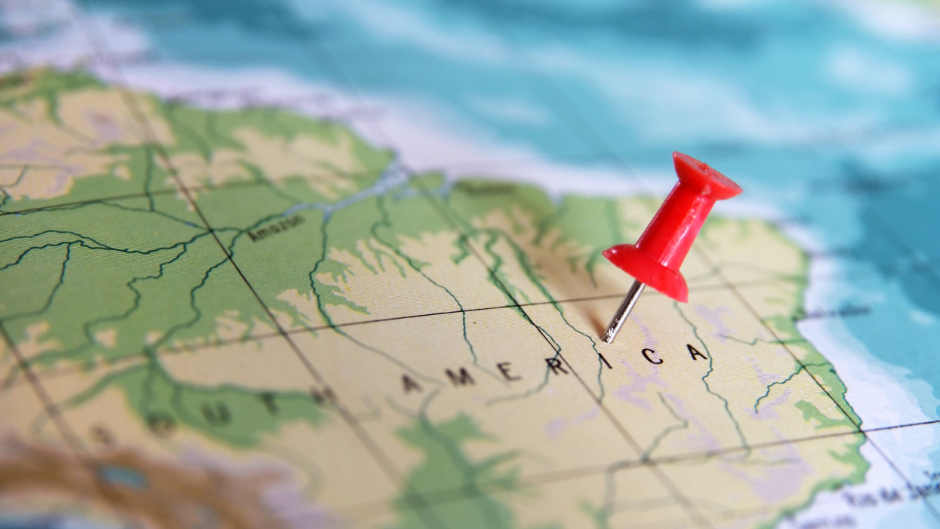
In 2026, the global traveler isn’t just looking for a “trip”—they’re looking for a transformation. As the world’s top travel voice, I’ve seen the data, and the verdict is in: the “Paris of the South” is no longer the headline. Instead, the world is turning its gaze toward the jagged, the remote, and the deeply authentic.
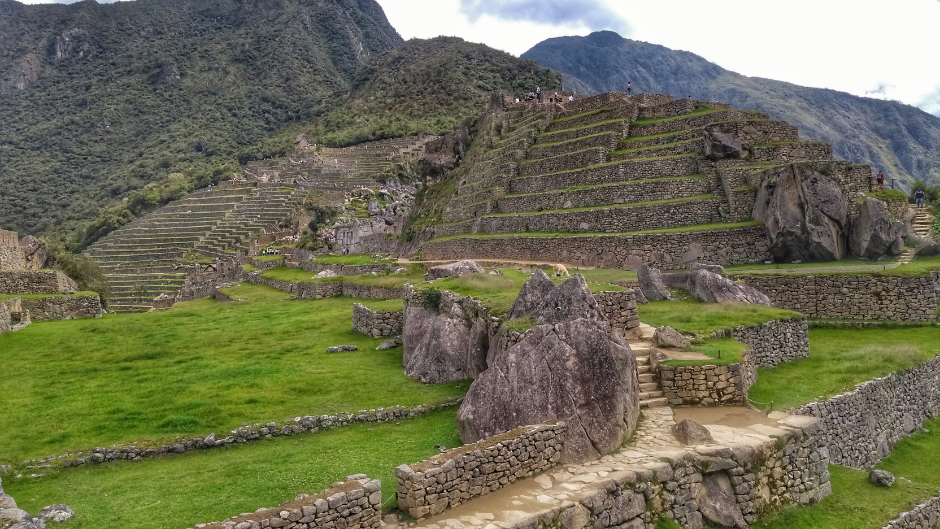
South America is currently undergoing a massive “Exotic Renaissance.” Travelers are trading overcrowded European plazas for high-altitude salt flats, luxury desert domes, and indigenous-led expeditions.
Here is why South America is the undisputed king of exotic travel in 2026.
1. The Rise of “Whycations” and Intentional Travel
The biggest trend I’ve tracked this year is the Whycation. Travelers are no longer picking a destination because it’s “pretty”; they are picking it based on a purpose—rest, reconnection, or contribution.
South America’s diverse biomes are the perfect canvas for this.
- The Andean Retreat: In the Sacred Valley of Peru, travelers are bypassing the standard train to Machu Picchu for the Salkantay Trek, engaging in “Moon-planting” rituals with local farmers.
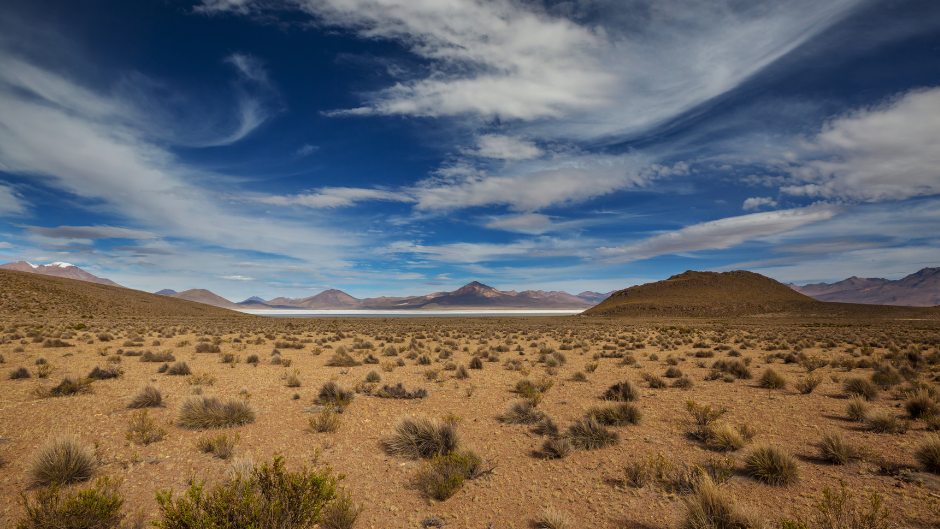
- The Desert Detox: Chile’s Atacama Desert has become the global hub for “Stargazing Wellness,” where the silence of the driest place on Earth is used as a tool for digital detoxification.
2. Remote Luxury: The New “Standard”
The definition of luxury has shifted. In 2026, it’s not about gold faucets; it’s about exclusive access to the inaccessible.
- Bolivia’s Salt Flat Museum: The opening of Casa Gastón in the Salar de Uyuni has changed the game. It’s the continent’s first “luxury hotel museum,” positioned at the foot of a sacred volcano.
- Patagonian Isolation: New lodges like Explora El Calafate (Argentina) and Torres del Paine Conservation Reserve (Chile) are opening up “quiet corners” of the parks, allowing travelers to witness glaciers and granite peaks without another soul in sight.
3. Indigenous-Led & Regenerative Tourism
We’ve moved past “sustainable” travel—which just means doing no harm—and into regenerative travel, which means leaving a place better than you found it.
- The Amazon Shift: In Brazil and Peru, “riverboat tourism” has evolved. Instead of massive cruises, we’re seeing ultra-private, 4-cabin vessels (like the renovated Delfin I) that focus on forest medicine and tucumã palm weaving taught by the riverside communities themselves.
- Rapa Nui (Easter Island): Tourism here is now strictly indigenous-guided, ensuring that the narrative of the Moai statues remains in the hands of the families who have lived there for generations.
Where to Go: The 2026 South America “Exotic” Power List
| Destination | Why It’s Trending | Best Experience |
| Salar de Uyuni, Bolivia | Otherworldly aesthetics | Airstream camping on the salt flats. |
| Salta, Argentina | High-altitude wine culture | Tasting Malbec at 3,000m elevation. |
| The Amazon (Manaus/Iquitos) | Deep-jungle immersion | Tracking pink dolphins with local guides. |
| Cartagena, Colombia | Coastal “Slow Living” | Mangrove canoe tours in La Boquilla. |
| Ushuaia, Argentina | “End of the World” allure | Sailing the Beagle Channel to spot sealions. |
4. The “Secondary City” Takeover
The most savvy travelers in my community are avoiding the “Big Three” (Rio, Buenos Aires, and Lima) in favor of secondary hubs that offer more safety and authenticity.
- Mendoza, Argentina: Now rivaling Tuscany for the world’s best wine-and-wellness destination.
- Arequipa, Peru: Known as the “White City,” it’s the gateway to the Colca Canyon and offers a quieter, more sophisticated alternative to Cusco.
- Cuenca, Ecuador: A colonial gem that is seeing a surge in “slow travel” for those who want to live like a local for a month.
Final Takeaway
The rise of exotic travel in South America isn’t just a fluke—it’s a response to a world that feels too loud and too crowded. People are heading south because they want to feel small again—standing beneath a 200-foot waterfall in Iguazu or staring at a glacier in El Calafate.