
Simulation Tools: Transforming Ideas into Reality
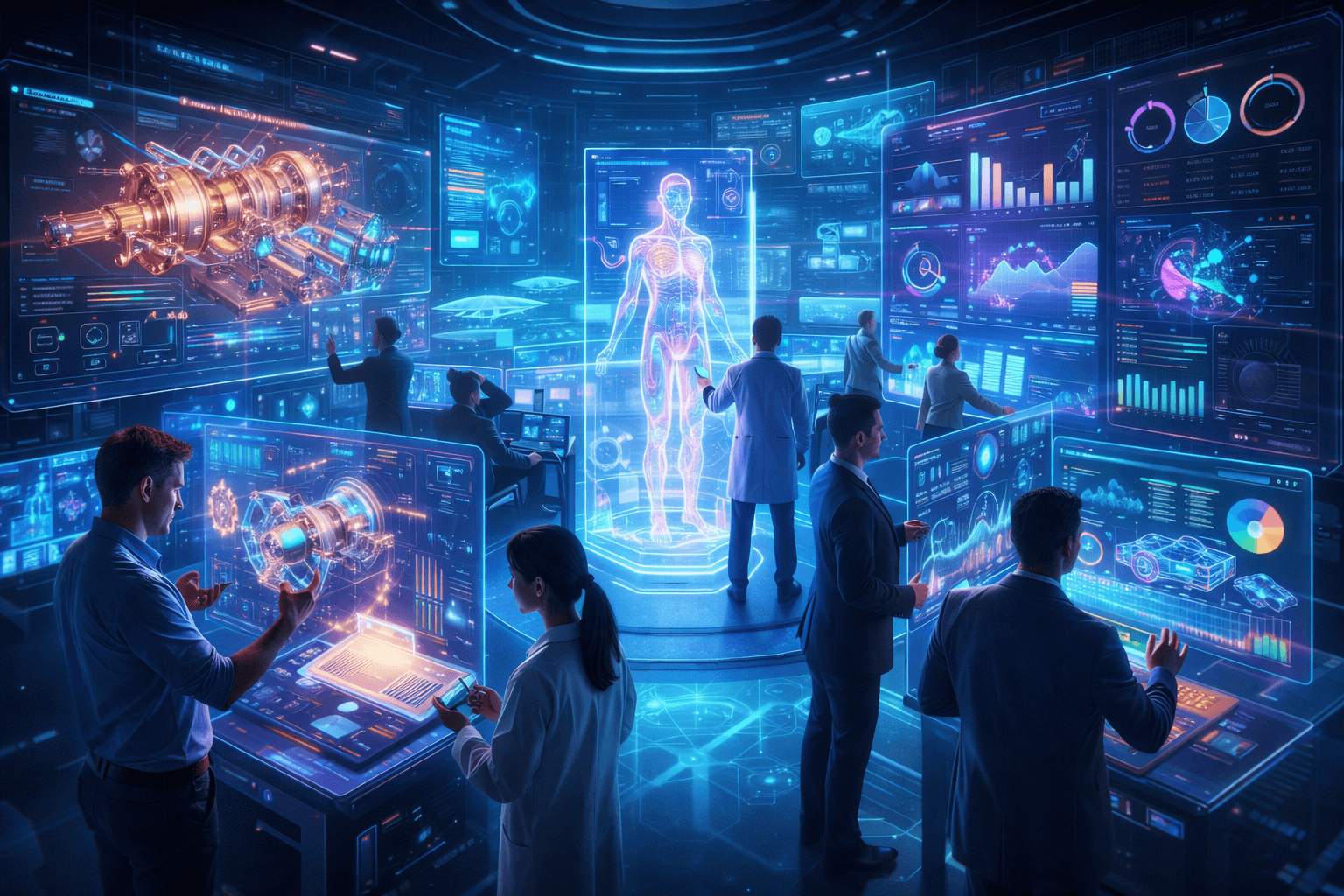
In today’s fast-paced world, experimenting in the real world can be costly, time-consuming, and sometimes risky. This is where simulation tools come into play. They allow engineers, designers, researchers, and businesses to test, analyze, and optimize systems virtually before implementing them in reality.
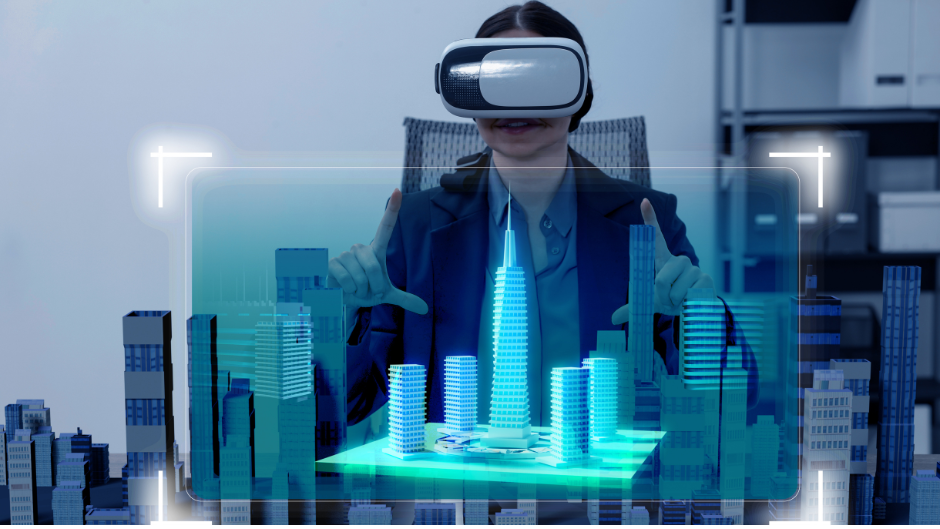
They are widely used across industries such as engineering, healthcare, aviation, finance, and education, providing accurate predictions and insights without real-world consequences.
What Are Simulation Tools?
Simulation tools are software applications or platforms that mimic real-world processes, environments, or systems. They create virtual models that can be tested, analyzed, and modified to understand how a system behaves under different conditions.
By using these tools, professionals can:
Predict outcomes without actual trials.
Reduce costs and time spent on physical testing.
Optimize designs and processes.
Train personnel in realistic virtual environments.
Types of Simulation
It come in various forms, depending on the industry and purpose:
1. Engineering
Used in mechanical, civil, and electrical engineering to test designs, stress levels, and efficiency. Tools like ANSYS, SolidWorks, and MATLAB/Simulink help engineers create virtual prototypes.
2. Business
Used for decision-making, risk analysis, and operational planning. Platforms like AnyLogic and Simul8 allow companies to model supply chains, financial systems, and market behavior.
3. Medical and Healthcare
Used for training doctors, nurses, and emergency responders. Tools like SimMan and Touch Surgery provide realistic patient scenarios without endangering lives.
4. Flight and Driving
Pilots and drivers can practice in a safe virtual environment using flight simulators or driving simulators, improving skills and reaction time.
5. Scientific
Used in physics, chemistry, and climate studies to predict outcomes in experiments that are too costly or impossible to perform physically. Tools like COMSOL Multiphysics and Stella are widely used.
Key Benefits
Cost Efficiency – Reduces the need for physical prototypes.
Time-Saving – Speeds up the design and testing process.
Risk Reduction – Prevents accidents and errors in real-world applications.
Enhanced Learning – Provides immersive training for students and professionals.
Data-Driven Decisions – Enables testing multiple scenarios to find optimal solutions.
Future of using these Tools
It is becoming more exciting because of new technologies like Artificial Intelligence (AI), Virtual Reality (VR), and Augmented Reality (AR). These technologies are making ideas more realistic, interactive, and useful for businesses and professionals.
In the coming years, it will not just show simple models or predictions. They will create highly detailed virtual environments where people can test ideas, train employees, and solve problems without real-world risks. For example, engineers will be able to test machines or buildings in a virtual environment before they are built in real life.
Artificial Intelligence (AI) will make simulations smarter. AI can analyze large amounts of data and predict possible outcomes. This means companies can understand problems earlier and make better decisions. For example, AI-powered simulations can predict how a machine might fail in the future or how traffic will behave in a smart city.
Virtual Reality (VR) will allow people to enter a simulation as if they are physically inside it. For example, a pilot can practice flying in a VR flight simulator, or a medical student can perform virtual surgeries for training.
Augmented Reality (AR) will add digital elements to the real world. For instance, a factory technician could look at a machine through AR glasses and see data about how the machine is performing or what might happen if certain settings are changed.
Another major advancement will be real-time collaboration. Teams from different countries will be able to work together inside the same environment at the same time. Engineers, designers, and managers can test ideas together and instantly see the results.
It will also become very important for predictive analytics. Companies will use it to predict risks, optimize processes, and reduce costs before taking action in the real world.
Because of these improvements, it will play a critical role in many industries. For example:
- Autonomous Vehicles: Help test self-driving cars in millions of virtual road scenarios before they operate on real roads.
- Aerospace: Engineers will test aircraft designs and safety systems in virtual environments.
- Healthcare: Doctors can practice complex surgeries or test new medical procedures safely.
- Smart Manufacturing: Factories can simulate production lines to improve efficiency and reduce errors.
Overall, it will help companies innovate faster, reduce risks, save money, and improve safety. As technology continues to evolve, it will become an essential part of decision-making and product development across many industries.
Conclusion
They are more than just software—they are digital laboratories where ideas are tested, refined, and perfected. Whether it’s engineering a bridge, training a doctor, or modeling a business process, it save time, reduce costs, and improve accuracy.
By integrating these tools into your workflow, you can transform challenges into opportunities, explore endless possibilities, and bring your ideas closer to reality.




Comments
One response to “Simulation Tools: Transforming Ideas into Reality”
[…] is about reducing friction. You shouldn’t be spending 30 minutes a day “managing your tools.” Pick one for organization (Notion), one for execution (Motion), and one for focus […]