
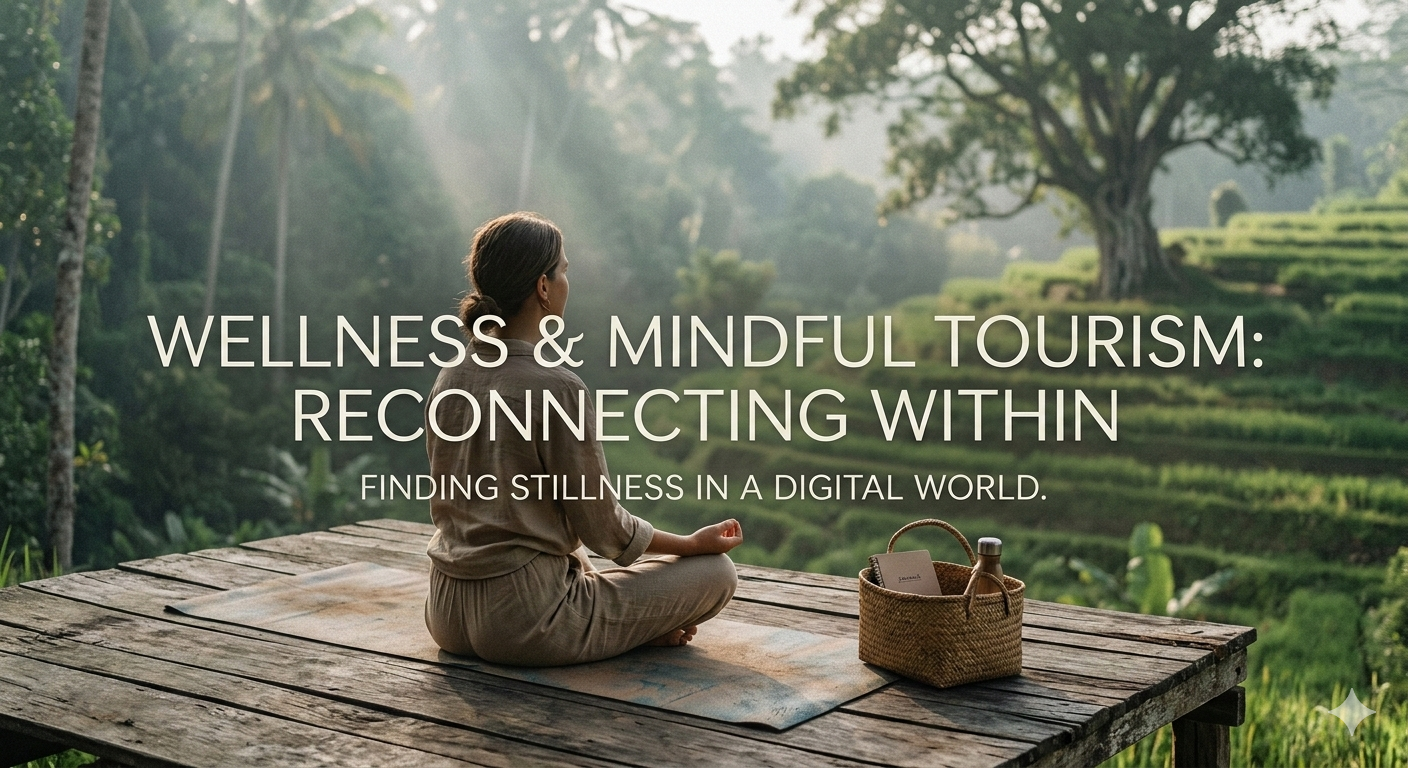
Wellness & Mindful Tourism – Retreats, mental-health focused trips, serenity travel.
Whether it’s the constant ping of notifications or the subtle weight of “decision fatigue,” we’ve all felt that modern urge to just… stop. In 2026, Travel has shifted. We aren’t just looking for “away”; we’re looking for “within.”
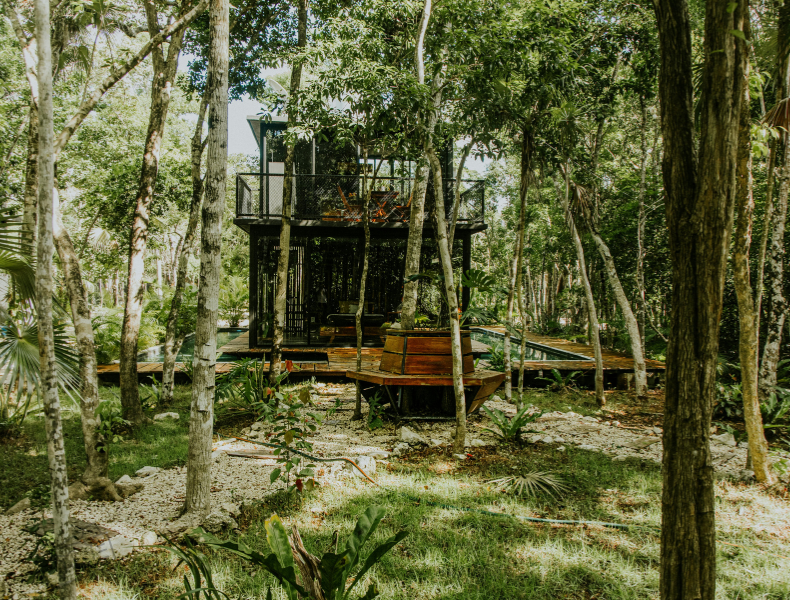
Last month, I traded my smartphone for a wooden token and spent seven days at a mindful retreat in the Tabanan rainforest of Bali. This wasn’t a vacation; it was a recalibration. Here is what I learned when I finally looked up from the screen.
The Phantom Vibration: Day 1–2
The hardest part of mindful tourism isn’t the meditation; it’s the withdrawal. When I handed over my phone at reception, I felt an actual pang of anxiety. For the first 48 hours, I experienced “phantom vibrations” in my pocket—my brain was literally wired to expect a digital interruption.
But by the third morning, something shifted. Without the ability to “check” the time or the weather, I started relying on my senses. I noticed the way the mist clung to the emerald rice terraces and how the air smelled like damp earth and jasmine before the afternoon rain.
Beyond the Spa: The 2026 Wellness Pillars
Wellness tourism in 2026 has moved beyond simple massages. It’s now about Longevity and Contrast Therapy. My days were anchored by three specific practices that changed my perspective:
1. Forest Bathing (Shinrin-yoku)
Guided by a local conservationist, we walked through the canopy in total silence. This isn’t a hike; it’s an immersion. We were encouraged to touch the moss, listen to the specific “click” of the tropical birds, and breathe intentionally.
The Result: My resting heart rate dropped by 10 beats per minute within a single session. Science calls it “biophilia”—our innate need to connect with nature.
2. Contrast Therapy
The retreat featured a traditional wood-fired sauna followed by a plunge into a 10°C natural spring pool. The shock to the nervous system is primal. It forces you into the absolute present because, in freezing water, you cannot think about your emails; you can only think about your breath.
3. The “Glowmad” Diet
I followed a “Shelf Discovery” meal plan—hyper-local, raw, and heritage-based. We foraged for wild ginger and ferns that were then prepared for our dinner. Eating food that was in the ground two hours prior isn’t just “organic”; it’s a form of groundedness.
Reconnecting with the “Real” World
The most surprising part of the experience was the social aspect. Without phones at the dinner table, conversations with strangers became incredibly deep, very quickly. We weren’t “networking”; we were just being.
I met a doctor from London who was recovering from burnout and a designer from Tokyo seeking creative “white space.” We realized that while we were “connected” to thousands of people online, we hadn’t had a three-hour uninterrupted conversation with a human being in years.
The Takeaway: Bringing the “Quiet” Home
As I reclaimed my phone on the final day, I felt a strange reluctance to turn it on. Mindful tourism isn’t about escaping reality forever; it’s about learning the tools to handle it better.
I didn’t come back with a suitcase full of souvenirs. Instead, I came back with:
- A “Digital Sunset” habit: No screens after 9:00 PM.
- Morning Stillness: 10 minutes of “looking up” before “scrolling down.”
- A New Definition of Luxury: In 2026, luxury isn’t a five-star hotel; it’s the luxury of being unreachable.
Are you feeling the digital weight? If you’re looking for your own reset, I highly recommend looking into the “Dark Sky” retreats in Tuscany or the silent walking safaris in Tanzania—two of the top-rated mindful destinations this year.