

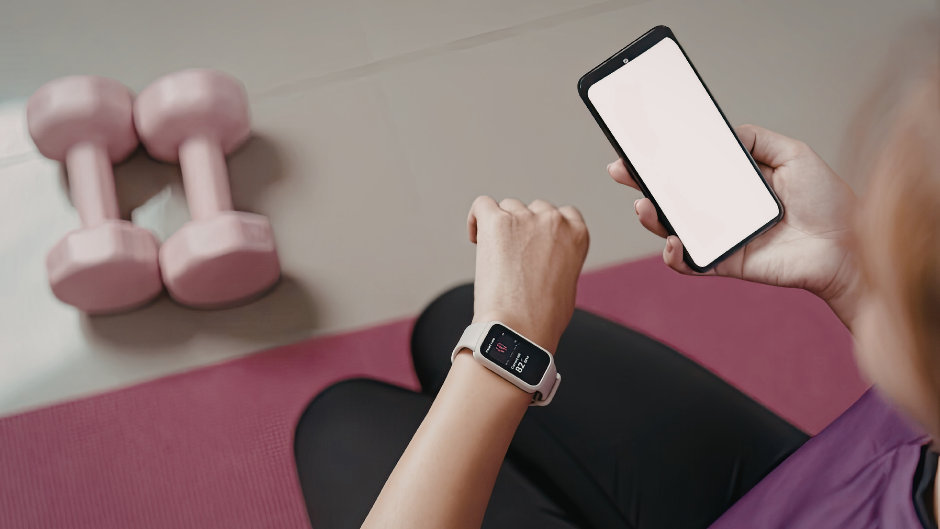
The year 2026 has officially marked the end of the “wrist computer” era. We have moved past the bulky smartwatches of the early 2020s and entered a new age of Invisible Computing.
If 2025 was the year of AI integration, 2026 is the year wearables became our autonomous health and productivity agents. From smart rings that track blood pressure to glasses that translate reality in real-time, here is the future of wearable tech that is already sitting on our shelves.

1. The Smart Ring Takeover: Minimalist, Screen-Free tracking

In 2026, the biggest trend isn’t what’s on your wrist, but what’s on your finger. Smart rings have moved from niche bio-hacker gadgets to mainstream essentials.
- Clinical-Grade Accuracy: Devices like the RingConn Gen 3 (launched Summer 2026) now offer non-invasive blood pressure monitoring, a feature smartwatches struggled with for years.
- Haptic Productivity: The new Even Realities R1 ring doesn’t just track sleep; it uses micro-vibrations and gesture controls to let you scroll through your smart glasses or dictate voice notes without touching a screen.
- Why it’s winning: In a world of “notification fatigue,” smart rings offer a “screen-less” lifestyle, collecting data in the background without the temptation of a glowing watch face.
2. Smart Glasses: Reality, Augmented
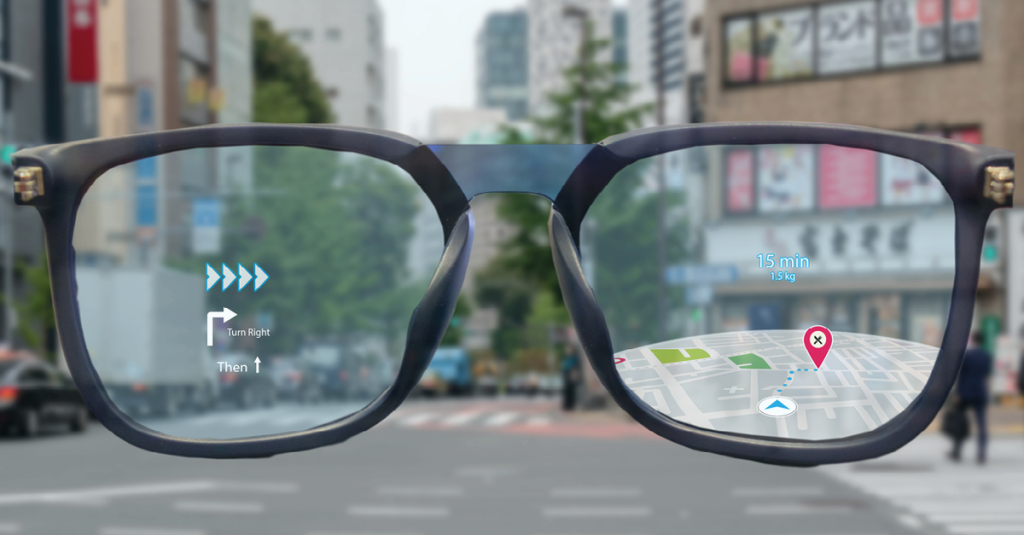
We’ve finally hit the “North Star” of smart glasses: they finally look like regular glasses. The tech showcased at CES 2026 proved that the bulky “headset” is dead.
- Real-Time Translation: The Even G2 Smart Glasses are the 2026 standout, providing heads-up, near-zero latency translation. You can look at a menu in Tokyo and see the English text overlaid perfectly onto the paper.
- AI Computer Vision: The RayNeo X3 Pro features an integrated eSIM and 4G, meaning it’s a standalone device. Its AI can identify plants, landmarks, and even nutritional info on your dinner plate just by looking at them.
- Gaming at 240Hz: For the first time, AR gaming glasses like the ROG Xreal R1 are offering 240Hz refresh rates, allowing you to project a 170-inch virtual monitor anywhere.
3. The Rise of “Hearables” & Bone Conduction

Earbuds in 2026 do more than play Spotify. They are now sophisticated Biometric Audio Hubs.
- Neural Tuning: High-end hearables now use EEG sensors to detect your “focus levels” and automatically adjust Active Noise Cancellation (ANC) to help you stay in a flow state.
- Bone Conduction Evolution: Brands are moving toward bone-conduction frames in glasses and headbands, allowing you to hear your AI assistant and your environment simultaneously with perfect clarity.
4. Bio-Integrated Fabrics (E-Textiles)

The most “invisible” wearable of 2026 isn’t a device at all—it’s your shirt. Smart Fabrics have moved out of the lab and into the gym.
- Continuous ECG: E-textiles from companies like Luna now feature wash-safe sensors that monitor heart rate, respiration, and even muscle fatigue.
- Kinetic Charging: Some 2026 premium activewear now uses energy-harvesting technology, using your body heat and movement to trickle-charge your other devices.
2026 Wearable Tech Comparison: Which “Body Real Estate” Wins?
| Device Type | Primary Use Case | Battery Life (2026 Avg) |
| Smart Ring | Deep Sleep, Recovery, & Payments | 10 – 14 Days |
| Smart Glasses | AR Navigation, Translation, & AI | 6 – 10 Hours |
| Smartwatch | Sports Tracking & Communication | 3 – 30 Days (Varies) |
| Smart Fabric | Pro-Athlete Performance & Posture | Unlimited (Passive) |
The Verdict: The Death of the Screen?
The future of wearable tech is Ambient. In 2026, we are no longer “checking” our devices; our devices are quietly managing our health and environment for us. We are moving toward a world where the best technology is the kind you forget you’re wearing.