

AI-Enabled Travel Planning: How Artificial Intelligence Is Making Travel Easier, Smarter, and More Personalized in 2027
Planning a vacation should be exciting, but organizing flights, accommodation, transportation, activities, restaurants, and budgets can quickly become overwhelming. Fortunately, AI-enabled travel planning is changing how travelers discover destinations, organize itineraries, and prepare for their next adventures.
Artificial intelligence is transforming the travel industry by making trip planning faster, more personalized, and increasingly convenient. Instead of spending hours comparing destinations and reading hundreds of reviews, travelers can now use AI-powered platforms to receive recommendations, build itineraries, estimate expenses, and discover experiences that match their interests.
From weekend getaways in the United States to international adventures across Europe and Asia, AI is helping travelers make better-informed decisions.
But how does this technology work, and can it really improve your next vacation?
Let’s explore the exciting possibilities.
1. What Is AI-Enabled Travel Planning?
AI-enabled travel planning refers to using artificial intelligence technologies to research, organize, personalize, and manage travel experiences.
These systems analyze information such as travel preferences, budgets, destination interests, weather conditions, accommodation options, and previous travel behavior to generate useful recommendations.
For example, imagine planning a seven-day vacation in Italy with a budget of $2,500.
Instead of manually researching every detail, you could ask an AI travel assistant to:
- Recommend destinations within your budget.
- Create a seven-day itinerary.
- Suggest affordable hotels.
- Identify popular attractions.
- Recommend local restaurants.
- Estimate transportation costs.
- Organize activities by location.
- Suggest alternative plans for rainy days.
AI can organize much of this information within minutes.
However, recommendations should always be checked against current prices, availability, opening hours, entry requirements, and official travel information.

2. Personalized Travel Itineraries Based on Your Interests
One of the biggest advantages of AI travel technology is personalization.
Traditional travel guides generally provide recommendations for broad audiences. AI-powered travel planners can generate suggestions based on individual preferences.
For example:
A family traveler might request:
- Family-friendly hotels.
- Theme parks and children’s activities.
- Safe transportation options.
- Restaurants with children’s menus.
An adventure traveler might prefer:
- Hiking trails.
- Mountain destinations.
- Outdoor activities.
- Adventure sports.
- Off-the-beaten-path locations.
A luxury traveler might request:
- Five-star accommodation.
- Premium dining experiences.
- Private transportation.
- Luxury train journeys.
- Exclusive cultural experiences.
AI can use these preferences to create personalized travel itineraries rather than offering the same recommendations to everyone.
The result is a travel experience that better reflects your interests, available time, and budget.
3. Discovering the Best AI Travel Planning Tools
Several digital platforms are making AI-assisted travel planning more accessible.
Here are some useful tools travelers can explore.
ChatGPT
ChatGPT can help travelers brainstorm destinations, create itineraries, compare travel options, organize packing lists, and understand destination-specific travel requirements.
Travelers can describe their interests, budget, dates, and preferred travel style to receive customized suggestions.
Website: https://chatgpt.com/
Google Maps
Google Maps helps travelers explore destinations, discover nearby attractions, check routes, and find restaurants and services.
Its AI-powered features and recommendation capabilities can make destination research more convenient.
Website: https://maps.google.com/
Google Flights
Google Flights helps travelers compare airfare options, explore dates, and monitor flight prices.
It is particularly useful when travelers have flexibility around departure dates.
Website: https://www.google.com/travel/flights
TripIt
TripIt organizes travel reservations and creates a consolidated travel itinerary. It can help travelers keep flight, hotel, and other booking information together.
Website: https://www.tripit.com/
Wanderlog
Wanderlog helps travelers build itineraries, organize destinations, map attractions, and collaborate on travel plans.
It can be particularly useful for road trips and group vacations.
Website: https://wanderlog.com/
Important: These platforms offer different capabilities. Not every feature is AI-powered, and some advanced features may require paid subscriptions.

4. Smarter Flight and Hotel Research
Finding affordable flights and comfortable accommodation is often one of the most time-consuming parts of planning a vacation.
AI-assisted travel research can make this process easier by helping travelers identify suitable options based on:
- Travel dates.
- Departure and arrival destinations.
- Preferred airlines.
- Accommodation preferences.
- Price ranges.
- Hotel locations.
- Available amenities.
For example, a traveler searching for a vacation in New York could ask an AI assistant to compare accommodation options near Manhattan, Brooklyn, and Queens.
The assistant could explain the advantages and disadvantages of each location, including transportation convenience and proximity to major attractions.
However, AI-generated prices are not guaranteed booking prices. Always confirm the final amount directly with the airline, hotel, or booking provider before purchasing.
5. Real-Time Travel Assistance and Smart Recommendations
Travel plans can change unexpectedly.
Flights may be delayed, weather conditions may affect outdoor activities, and attractions may temporarily close.
AI-powered travel assistants can help travelers understand these changes and explore alternative arrangements.
Some useful applications include:
- Finding alternative activities during bad weather.
- Discovering nearby restaurants.
- Understanding local transportation options.
- Translating basic conversations.
- Organizing updated travel schedules.
- Identifying alternative routes.
For instance, imagine visiting San Francisco when unexpected rain affects your sightseeing plans.
An AI assistant could recommend indoor alternatives such as museums, galleries, shopping areas, and indoor entertainment.
Real-time information depends on the platform and its connected data sources. Travelers should verify urgent updates with airlines, transport operators, and official authorities.
6. AI Travel Planning for Budget-Conscious Travelers
Traveling does not always require an expensive budget. With the right planning, travelers can discover destinations and experiences that offer excellent value.
AI can help organize a realistic travel budget by dividing expenses into different categories.
Consider a hypothetical five-day trip to Chicago.
| Expense | Estimated budget |
|---|---|
| Accommodation | $500 |
| Food and dining | $200 |
| Transportation | $100 |
| Attractions | $150 |
| Shopping and extras | $150 |
| Total | $1,100 |
These are illustrative amounts, not live travel prices.
AI can also help travelers:
- Compare affordable destinations.
- Find free attractions.
- Organize low-cost activities.
- Estimate daily spending.
- Identify transportation alternatives.
- Build itineraries around a fixed budget.
This makes AI particularly useful for students, solo travelers, couples, and families who want to control vacation expenses.
7. AI-Powered Language Translation and Cultural Discovery
International travel becomes more enjoyable when travelers can communicate with local people and understand cultural differences.
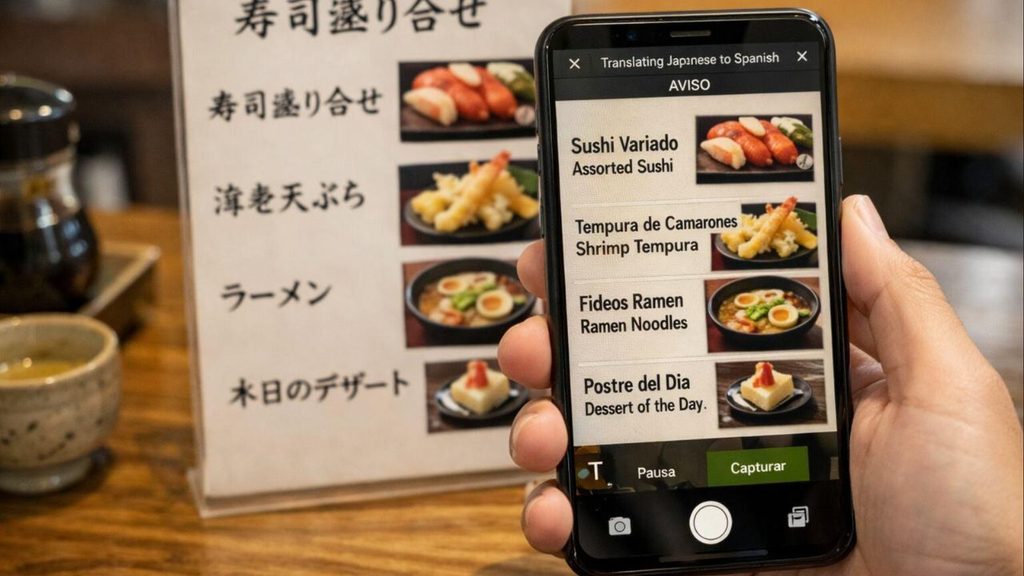
AI translation technology is helping reduce language barriers through text, voice, and image-based translation.
Travelers can use AI tools to:
- Translate restaurant menus.
- Understand basic conversations.
- Translate signs and instructions.
- Learn useful local expressions.
- Understand cultural etiquette.
- Discover traditional food and local customs.
For example, someone traveling to Japan can use translation technology to understand restaurant menus, communicate basic requests, and navigate unfamiliar situations.
AI can also provide background information about local traditions, historical attractions, and cultural experiences.
Nevertheless, machine translation can make mistakes, particularly with local expressions and complex conversations. Important legal, medical, and safety-related information should be confirmed with reliable human or official sources.
8. AI and Sustainable Travel Experiences
Sustainable travel is becoming increasingly important as travelers look for ways to reduce the environmental impact of their journeys.
AI can support more responsible travel decisions by helping travelers research:
- Public transportation alternatives.
- Walking-friendly neighborhoods.
- Local accommodation options.
- Less crowded destinations.
- Regional food experiences.
- Efficient travel routes.
For example, travelers planning a European vacation could use AI to compare rail journeys with short-haul flights.
Choosing trains where practical may reduce transportation-related emissions, although the actual environmental impact depends on the route, energy source, and type of transport.
AI can also help travelers discover lesser-known destinations, potentially encouraging tourism beyond heavily visited locations.
Technology alone cannot guarantee sustainable tourism, but it can make responsible choices easier to research.
9. Privacy, Accuracy, and the Limitations of AI Travel Planners
Although AI offers many benefits, travelers should understand its limitations before relying on it.
Outdated Information
AI systems may provide outdated information about ticket prices, opening hours, visa rules, and accommodation availability.
Always verify important details through official websites.
Personal Data and Privacy
Some travel platforms collect personal information to personalize recommendations.
Avoid sharing sensitive information such as passport numbers, payment details, or private booking credentials in general-purpose AI conversations.
Incorrect Recommendations
AI-generated recommendations are not always accurate. A suggested restaurant may be closed, a route may be unsuitable, or an attraction may require advance reservations.
Over-Reliance on Technology
Travel is also about unexpected discoveries, human connections, and spontaneous experiences.
AI should support your decisions rather than control every part of your journey.
The best travel experiences often combine digital convenience with personal exploration.
10. The Future of AI-Enabled Travel Planning
The future of AI-enabled travel planning could extend far beyond itinerary generation.
As AI technology develops, travelers may increasingly benefit from intelligent digital travel assistants that coordinate multiple stages of a journey.
Some emerging possibilities include:
Conversational travel booking: Travelers may be able to research and arrange multiple travel services through natural conversations.
Predictive travel recommendations: AI may anticipate travelers’ needs based on preferences, trip context, and available information.
Multimodal travel assistance: Travelers could use text, voice, images, and video to receive more context-aware recommendations.
Smart itinerary adjustments: Travel assistants may help reorganize activities when flights, weather, or other circumstances change.
Personalized destination discovery: AI could identify destinations and experiences that match travelers’ interests more accurately.
These developments could make travel planning more integrated and convenient. However, their availability will depend on technology providers, partnerships, regulations, and access to reliable travel data.
Conclusion: Is AI Making Travel Planning Better?
There is no doubt that artificial intelligence is creating new opportunities for the travel industry.
From personalized itineraries and budget research to language translation and destination discovery, AI-powered tools are making travel preparation more accessible.
The biggest advantage is convenience. Travelers can spend less time organizing information and more time focusing on the experiences they want to enjoy.
However, technology should not replace personal judgment. Verify prices, check official travel requirements, read recent reviews, and make important booking decisions carefully.
Ultimately, AI-enabled travel planning is not about allowing technology to decide where you should go. It is about using smarter tools to make better travel decisions.
The next time you plan a vacation, consider combining AI assistance with your own curiosity. You might discover a destination, experience, or adventure you would never have found otherwise.
Frequently Asked Questions (FAQs)
1. What is AI-enabled travel planning?
AI-enabled travel planning uses artificial intelligence to help travelers research destinations, generate personalized itineraries, compare options, estimate expenses, and organize travel activities.
2. What is the best AI tool for planning a vacation?
ChatGPT is a useful option for generating personalized travel itineraries and researching destinations. Other tools, including Wanderlog, Google Maps, and TripIt, can support different parts of travel organization.
3. Can AI find cheap flights and hotels?
AI-assisted platforms can help travelers compare options, research prices, and identify flexible travel dates. However, final prices and availability should always be confirmed with booking providers.
4. Is AI travel planning suitable for family vacations?
Yes. AI can suggest family-friendly destinations, accommodation, activities, restaurants, and transportation options based on family preferences and budgets.
5. Can AI help plan international travel?
Yes. AI can assist with destination research, itinerary creation, language translation, cultural information, and travel preparation. Official visa and immigration requirements must still be checked with the relevant authorities.
6. Will AI replace traditional travel agents?
AI may automate some travel research and planning tasks, but human travel professionals remain valuable for complex itineraries, specialized knowledge, personal service, and situations requiring expert assistance.
7. Is AI travel planning free?
Some AI travel tools offer free features, while others charge subscription fees or require payment for advanced services. Pricing depends on the platform.
Note: This article is for informational purposes. Travel prices, visa requirements, booking availability, and destination conditions can change. Always verify important information with official providers.
What do you feel about this post?

Like

Love

Happy

Haha

Sad