
Welcome to onevdo.com/, your hub for modern living and smart home evolution.
A Complete Guide to LED vs. Older Generation Lighting for Your Home: In 2026, the way we light our homes has undergone a radical transformation. What was once just a functional necessity—flipping a switch to see—has become a high-tech tool for enhancing wellness, cutting costs, and even boosting home security. If you’re still clinging to “older generation” bulbs or are confused about the jargon on the back of a box, this is the only guide you’ll ever need.
The Great Lighting Evolution: LED vs. The Past
To understand why LED (Light Emitting Diode) is the undisputed king of 2026, we first have to look at what it replaced.
1. Incandescent: The “Heat Generators”
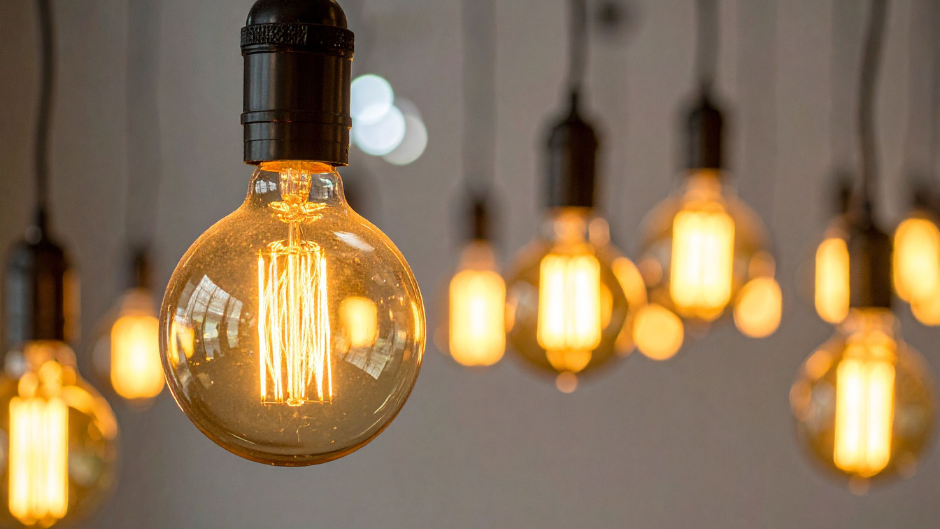
These are the classic pear-shaped bulbs with a wire filament. While they provided a warm, cozy glow, they were incredibly inefficient.
- The Flaw: About 90% of the energy they consumed was wasted as heat, not light.
- The Lifespan: A meager 1,000 hours. In a typical home, you’d be changing these once or twice a year.
2. CFL (Compact Fluorescent): The “Stop-Gap”
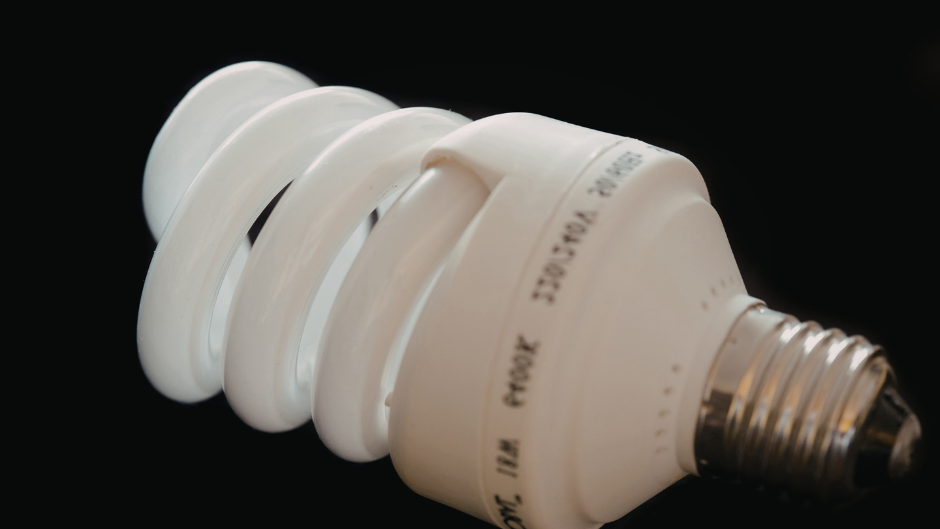
Remember those curly, spiral bulbs? They were the first major attempt at efficiency.
- The Flaw: They take time to “warm up” to full brightness and contain trace amounts of mercury, making them a headache to dispose of safely.
3. LED: The Modern Standard
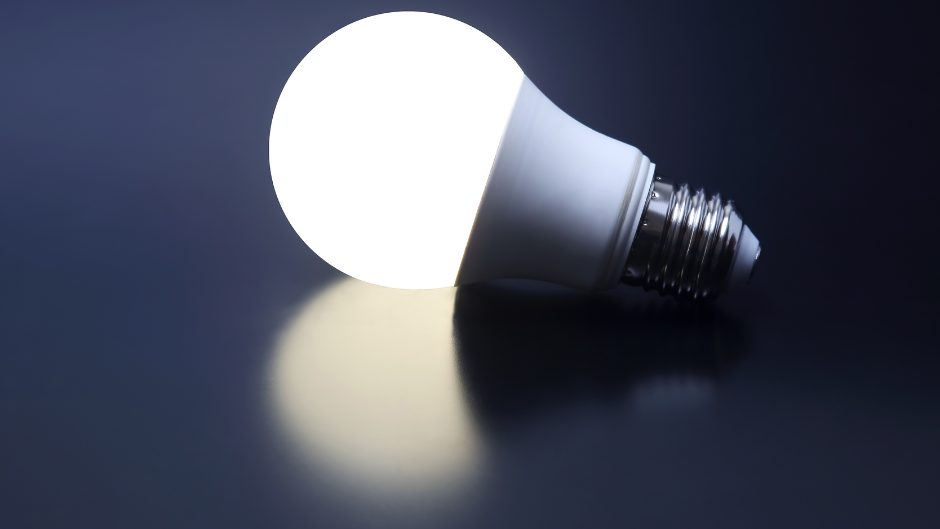
LEDs work by passing an electrical current through a semiconductor. There is no filament to burn out and no glass to shatter.
- The Win: They use up to 90% less energy than incandescents and can last up to 50,000 hours (that’s over 15 years of normal use!).
Why the Switch is Non-Negotiable in 2026
With residential electricity rates hitting a national average of 18.05¢/kWh this year, the financial argument for LEDs has never been stronger.
Financial Breakdown: The “10-Bulb” Test
If you replace just 10 frequently used traditional bulbs with LEDs, here is what your wallet sees:
| Metric | Traditional (Incandescent) | Modern LED |
| Annual Energy Cost | ~$75.00 | ~$12.00 |
| Replacement Frequency | Every 8–12 months | Every 15+ years |
| Heat Output | High (increases AC bills) | Minimal |
| Instant Savings | $0 | ~$63.00/year |
The “Wellness” Factor: Circadian Lighting
One of the biggest trends we’re seeing at onevdo.com/ this year is Human-Centric Lighting. Modern LEDs can change their “Color Temperature” throughout the day:
- Morning: Bright, blue-toned light (5000K) to boost cortisol and wake you up.
- Evening: Soft, amber-toned light (2700K) to trigger melatonin and prepare you for sleep.
3 Tips for Upgrading Your Home Today
- Stop Shopping by Watts, Start Shopping by Lumens: In the old days, “60 Watts” meant bright. Today, look for Lumens. An 800-lumen LED provides the same brightness as an old 60W bulb but only uses about 8W of power.
- Check Your Dimmers: Not all older dimmer switches are compatible with LEDs. If your new bulbs flicker, you likely need to swap your wall switch for an LED-compatible dimmer.
- Go Smart with Matter: If you’re buying new bulbs in 2026, look for the Matter-certified logo. This ensures your lights will work seamlessly with Alexa, Google Home, or Apple Home, regardless of the brand.
The Verdict: Is it worth the “Higher” Upfront Cost?
While an LED might cost $3–$5 compared to a $1 incandescent, the LED pays for itself in energy savings within the first 6 months. After that, it’s pure profit in your pocket.
What do you feel about this post?

Like

Love

Happy

Haha

Sad